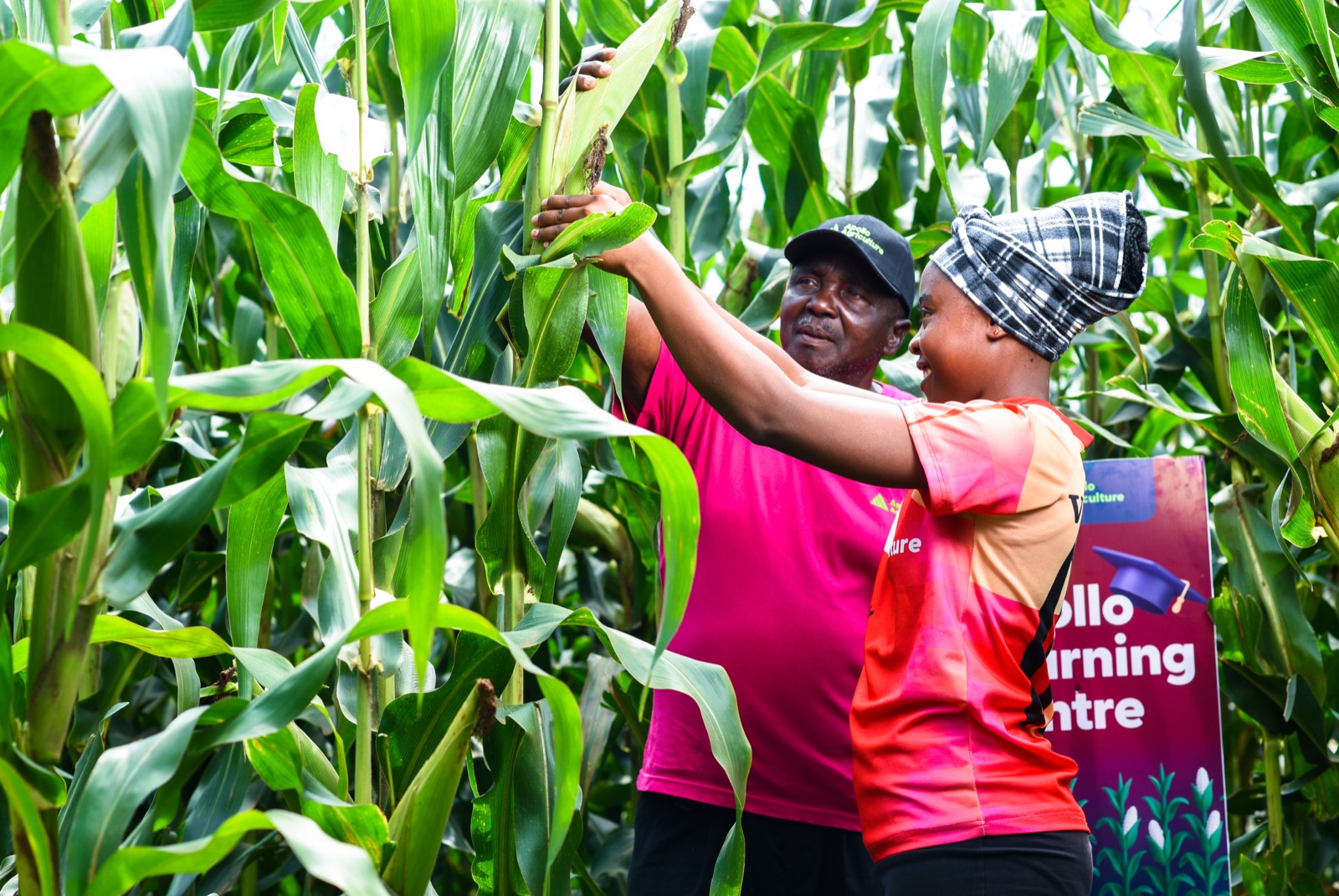
An approximately $2.1 million bond backed by loans to 23,839 smallholder farmers has closed in Kenya, marking the country’s first private-sector securitisation in the agricultural finance sector.
Fintech infrastructure company Kaleidofin structured the deal alongside agri-finance lender Apollo Agriculture, with the IDH Farmfit Fund, a blended finance impact fund managed by IDH Investment Management, as anchor investor. The KES 276 million issue securitises a pool of receivables valued at KES 370 million originated by Apollo from a portfolio of farmer credit.
Of the 23,839 borrowers covered by the pool, 51% are women and approximately 22% are first-time borrowers, according to the parties. Agusto rated the issue investment grade at BBB-.
How the structure works
The transaction was structured on Kaleidofin’s ki platform, a debt capital markets infrastructure layer that pools small agricultural loans into investable assets for institutional investors. The platform’s ki score applies a machine-learning risk model trained on loan transaction data, credit bureau records and alternative data sources to segment portfolios for different risk appetites.
Apollo Agriculture, a Y Combinator-backed lender headquartered in Nairobi, Kenya, originated the underlying loans. The company assesses creditworthiness for borrowers without formal credit history using satellite imagery of farm plots, machine-learning yield models and mobile data collection, in lieu of the collateral or credit history that traditional lenders demand.
“This transaction demonstrates how innovative financial structures can unlock capital for smallholder farmers at scale,” said Roel Messie, chief executive of IDH Investment Management.
Local currency, recycled capital
For Apollo, the deal converts illiquid receivables into immediate working capital, allowing the lender to extend further loans to farmers without expanding the size of its balance sheet. The funding is in Kenyan shillings rather than dollars, which insulates farmers from exchange-rate volatility on their repayment schedules.
“By converting receivables into working capital, we are able to lower our cost of funds and expand access to affordable, local currency financing for farmers,” said Eli Pollak, chief executive of Apollo Agriculture.
Public-development backing
The deal was supported by FSD Africa, the UK-funded specialist development agency, which advised on legal and regulatory structuring, investor engagement and market development. The UK’s MOBILIST programme contributed input on tax and structuring.
The transaction was designed as a blueprint for similar structures in other emerging markets, the parties said. The closing is the first step in a multi-year securitisation programme that they expect to mobilise approximately KES 2.37 billion and reach more than 130,000 smallholder farmers over time. Kaleidofin co-founder and chief executive Sucharita Mukherjee said the platform was designed to “function as scalable market infrastructure for traditionally excluded customer segments such as smallholder farmers, women entrepreneurs, clean energy and small business.”



Leave a Reply