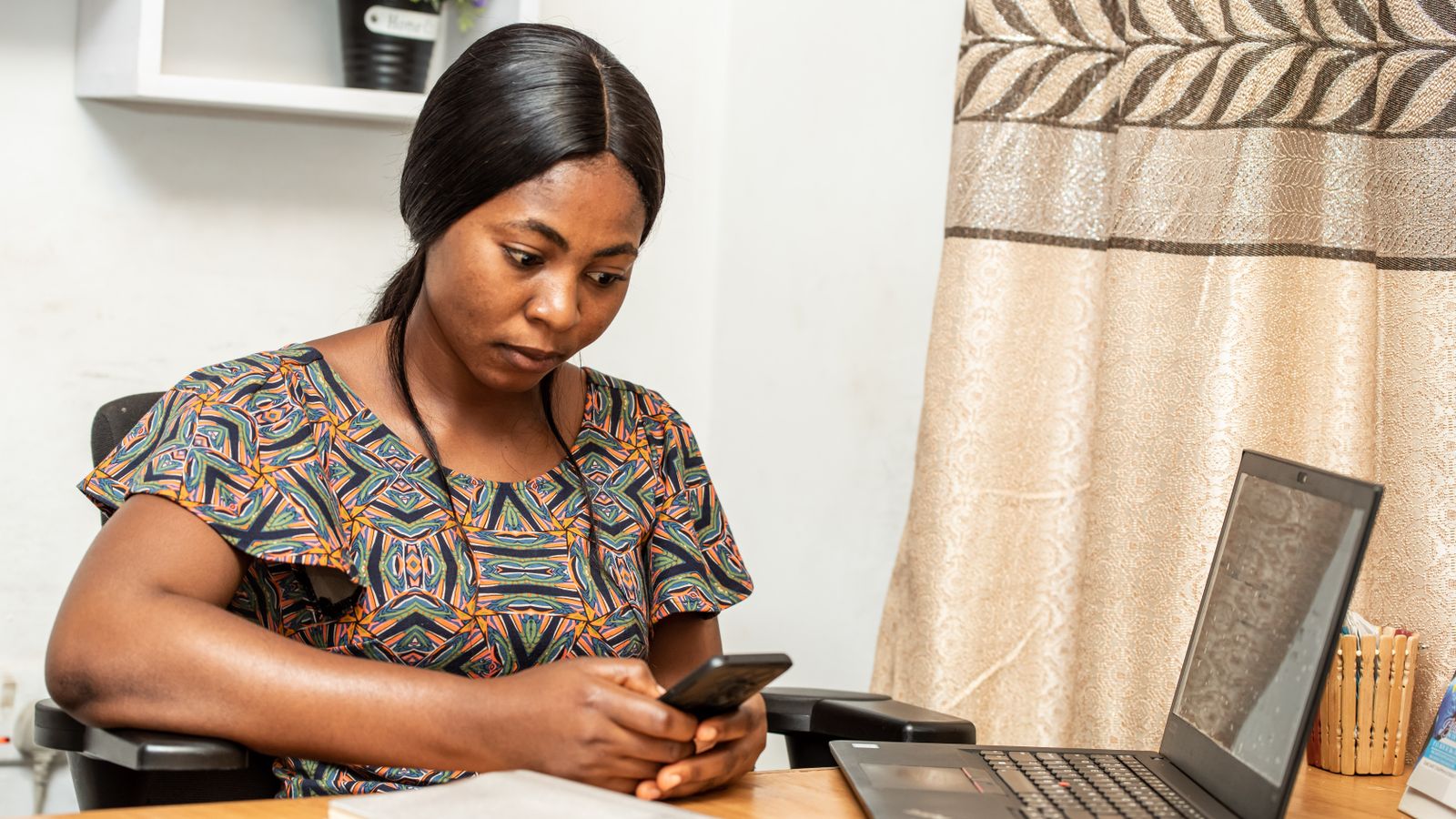
Mobile technology is now one of Africa’s biggest industries. Mobile services contributed $240 billion to the continent’s economy in 2025, equal to 7.8% of GDP, according to a new report from the GSMA, the global body for mobile operators.
The sector also supported about 13 million jobs and generated $45 billion in public revenues through taxes, the GSMA’s Mobile Economy Africa 2026 report found. It projects the contribution will rise to $290 billion by 2030.
The gap is usage, not coverage
The biggest barrier to growth is no longer network reach. The GSMA found that only 9% of Africans live outside mobile broadband coverage, while around 63% live within reach of a network but still do not use mobile internet.
That “usage gap” is driven mainly by affordability, which the report calls the single largest barrier to adoption, alongside gaps in digital skills. Closing it is where operators and governments see the next phase of growth: Kenya, for one, recently launched a KSh 40 billion digital-inclusion strategy aimed squarely at that divide.
AI and 5G drive the next phase
The report frames the coming years around AI and digital services rather than basic connectivity. Some 79% of African operators say becoming a digital-transformation partner is a primary goal, expanding into AI, cloud and standardised network APIs.
5G is still early on the continent, but growing. The GSMA expects it to reach 21% of mobile connections by 2030, and operators to invest more than $76 billion in their networks between 2024 and 2030, even as Africa’s 5G rollout stays concentrated in a handful of markets for now.
‘A new phase’
“Africa’s mobile industry is entering a new phase of development,” said Vivek Badrinath, director general of the GSMA, pointing to greater value through AI and digital services.
The findings land as the continent’s operators post record results, MTN among them, and as new connectivity options, from satellite services to fibre, reach places mobile networks have struggled to serve. The challenge the GSMA sets out is less about building networks than getting more Africans online and able to afford to stay there.




Leave a Reply