
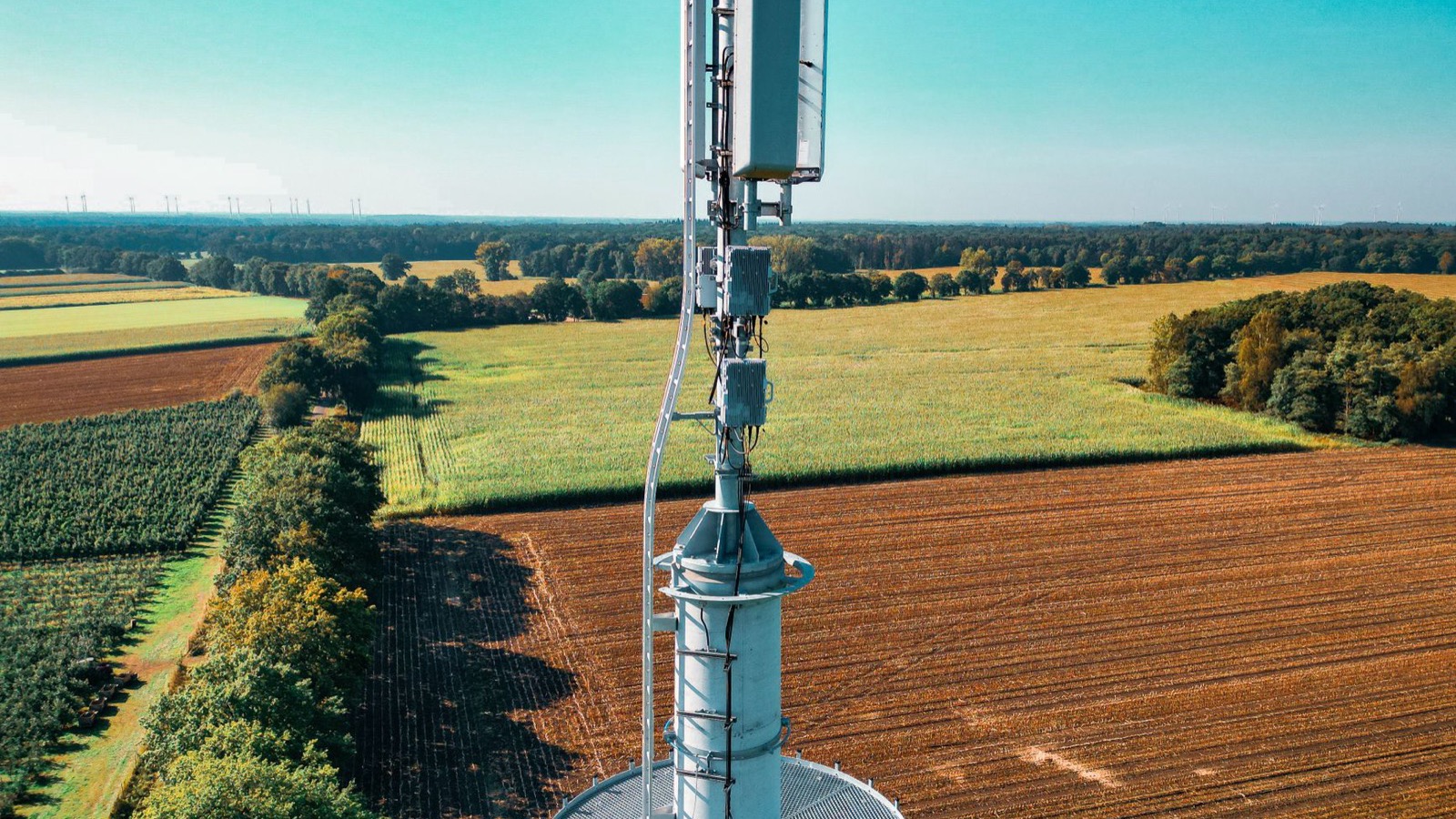
Rwanda has built one of the most complete mobile networks on the continent. A 4G signal reaches about 96% of the population, 3G covers 99%, and data prices are among the lowest in East Africa. Only 21% of Rwandans were using mobile internet last year.
The GSMA, the global association of mobile operators, published a report in Kigali on 17 September 2026 arguing that what stands between coverage and use is mostly the price of a handset. Reforms aimed at device affordability, digital skills and locally relevant services could add about 1.07 million unique mobile internet subscribers by 2031, which it puts at 22.1% more than the country would reach on its present path.
“Rwanda has built a strong digital foundation, but too many people still face barriers to using it,” said Angela Wamola, GSMA’s head for Africa. “The next step is to make smartphones more affordable and ensure people have the skills and confidence to access services that matter to them.”
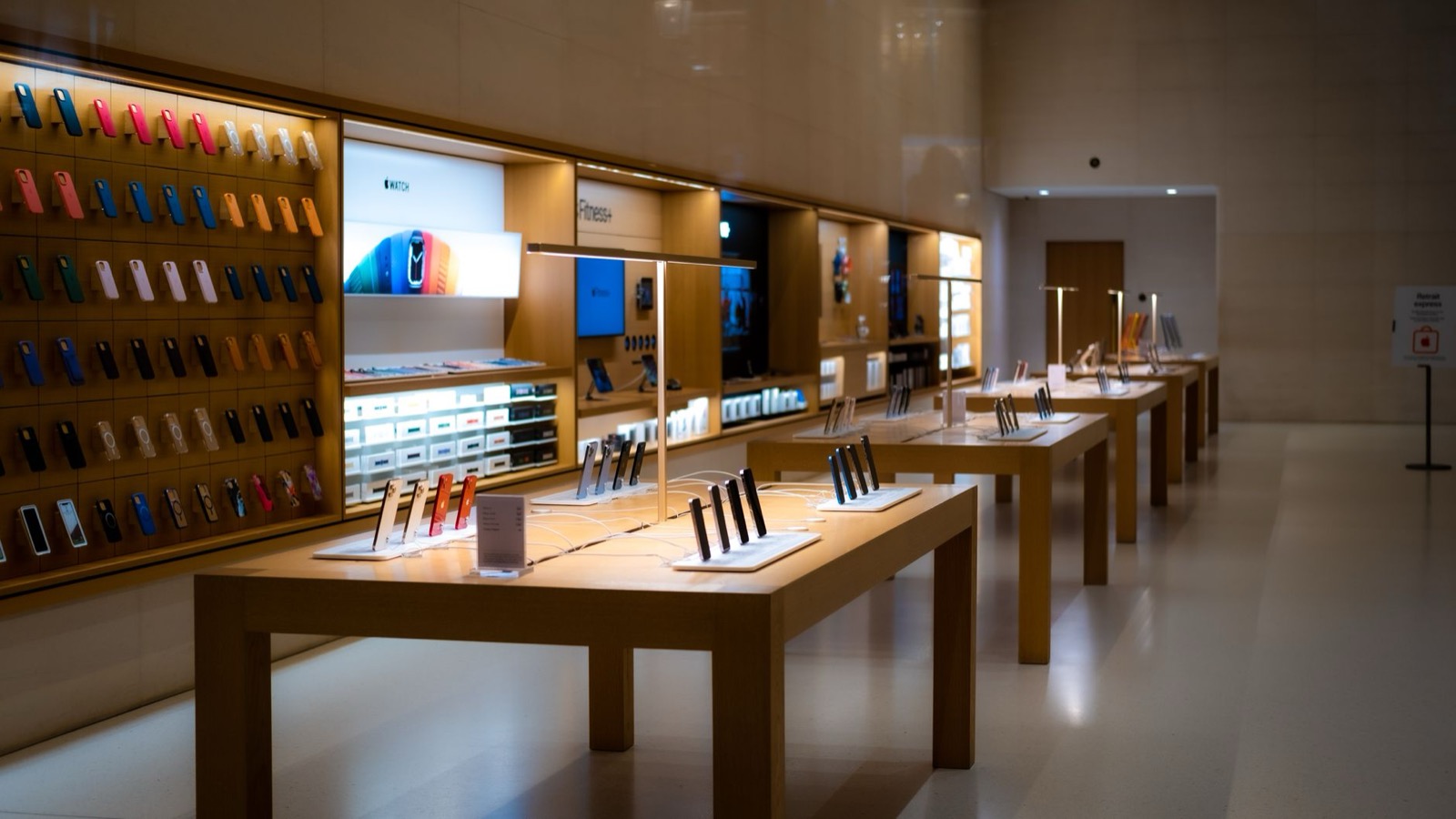
The handset, not the tower
For rural and lower-income households, the report says, the cost of a smartphone remains out of reach, and behind it lie softer constraints: limited digital skills and too few services people regard as worth the money. The association says practical value lies in healthcare, agricultural information, financial services, and dealings with government.
The timing is not accidental. The GSMA has separately pressed chipset and memory manufacturers over the cost of components for entry-level phones, warning that rising prices risk pushing both handsets and new AI tools further out of reach in low- and middle-income countries.
A tax argument aimed at Kigali
The specific ask is fiscal. The report wants private-sector device financing extended to poorer and rural buyers, and it wants the government to examine recent tax changes and cut targeted taxes where the evidence shows they are holding adoption back.
The GSMA’s modelling says the state would not lose by doing so: wider adoption and the economic activity around it would more than cover the cost, leaving a net fiscal gain of about $148 million (RWF 218 billion) a year by 2031. That figure comes from the association’s own analysis, and its members are the operators who would benefit from lower device and sector taxes.
Kinyarwanda, skills and the feature phone
Three further priorities follow. Training should be tailored to rural communities and built around applications people can use daily. Kinyarwanda-language content and applications should be expanded, alongside digital government services, while basic services stay usable on feature phones as richer ones move to mobile broadband.
The last priority is operators’ economics: balancing quality-of-service obligations against investment and affordability, and electricity costs that feed into the cost of running a network and then into what subscribers pay. The report frames it all against Vision 2050, the Second National Strategy for Transformation and the National Broadband Policy and Strategy.
The same argument, country by country
Rwanda is the latest instalment in a series the association has been running across African markets. In June it told the Republic of the Congo that reforms could unlock about $1.4 billion and connect 540,000 more people by 2030, on a near-identical diagnosis of networks built out ahead of the means to use them. Its continental accounting put mobile technology’s contribution to African economies at $240 billion in 2025.
What the reports cannot supply is the money or the political decision. Kenya has gone the other way and put public funds behind the problem, committing KSh 40 billion through its universal service fund. In Rwanda’s case, the recommendation lands on a government that has already delivered the coverage and now has to decide what a smartphone should cost.

Leave a Reply