
“The licensing itself is probably one of the cheapest parts of entering South Africa.” That was the verdict of Mariia Halaida, Head of Business Development in Africa at iGaming software supplier SOFTSWISS, on what it costs a betting operator to go live in the country.
Halaida spoke on Not a Cheap Bet: The Economics of Launch in the African iGaming Market, a LinkedIn Live panel the company hosted on 24 September 2026 with a provincial regulator, a local operator, and a compliance consultant. The consultant, Zeena Rossouw, founding president and CEO of Legends Gaming and Management Solutions, told the panel she knows of operators that “have still not launched even though they were licensed a year ago”. SOFTSWISS circulated an account of the discussion from Johannesburg, South Africa, on 11 November 2026.
9 licensing authorities and a national overseer
South Africa has no single gambling licence. The National Gambling Board (NGB), which operates under the National Gambling Act, 2004, oversees the regulation of the industry “concurrently with Provincial Licensing Authorities (PLAs)”, and its mandate states plainly that “Licences are granted provincially”. According to the company’s account of the panel, each of the 9 provincial authorities runs its own framework.
Vusi Mtsweni, CEO of the Mpumalanga Economic Regulator, said a single application can take up to 3, 6, or 12 months, depending on its complexity, with further administrative steps to follow, the company reported. He said there is room to improve the process so applicants can plan for the “variability that might happen when it comes to launching”.
Certification comes before the first bet
The licence is only one gate. For gambling equipment, the NGB’s published technical standards state that “All gambling machines and devices must comply with the South African National Standards 1718 gambling technical standards”, which regulators and operators develop jointly under the South African Bureau of Standards (SABS). Equipment “exposed for play in the industry must be tested by the gambling laboratories”, and those laboratories must be accredited by the South African National Accreditation System (SANAS), according to the NGB.
Halaida said entrants tend to overestimate the licence fee itself. “It’s everything that is around the licensing that still needs to be taken into account,” she said, naming certification, a local partner and the local presence an operator needs to establish.
Payments set the unit economics
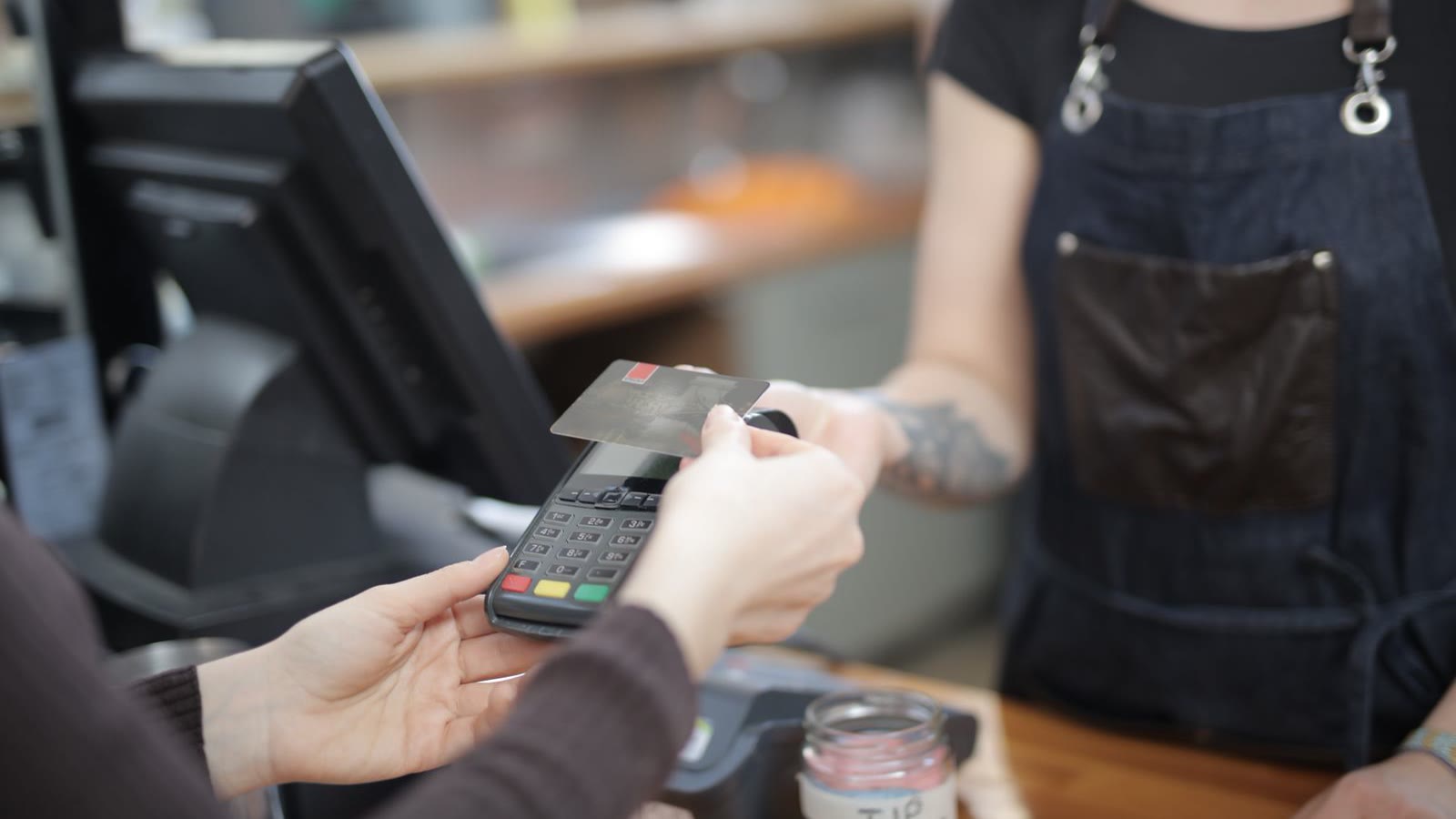
Halaida said South African players deposit through vouchers, electronic funds transfers (EFTs) and cards, while Kenya runs on mobile money and much of the rest of the continent on unstructured supplementary service data (USSD) and agent networks. SOFTSWISS’s 2027 iGaming Trends report, according to the company, puts payment processing fees at 3–6% of deposits across Africa, where low-value, high-frequency betting is the norm.
Caly McCall, co-founder and chief marketing officer of operator Jabula Bets, said the costliest mistakes come after launch day. “If I spend money acquiring a player and they arrive on a slow platform, or they’re struggling to deposit or receive an error during an offer, or they have a poor customer service experience, marketing can’t fix that. I’ve simply just paid to introduce a customer to a problem.”
A large market with a crowded legal tier
The same report, citing H2 Gambling Capital data, values South Africa’s online gambling market at $3.89 billion in 2026, with 84% of gross gambling revenue generated onshore, the company said. It projects Africa’s online gross gambling revenue rising from $13.6 billion in 2026 to $17 billion in 2028.
Licensed operators also compete with offshore sites the regulator wants blocked. In July 2026, the Internet Service Providers’ Association published a position paper responding to an NGB request to block offshore illegal gambling sites, an argument that stretches back to the 2018 debate over the National Gambling Amendment Bill.
Friction by design, the regulator says
Mtsweni argued that the delays serve a purpose. “The successful market is not necessarily the one with the lowest barrier to entry,” he said. “Regulation should provide sufficient certainty for legitimate investment, while ensuring that operators understand that compliance is part of the cost of doing business.”
He closed the panel with advice for international brands weighing an entry. “Don’t come to South Africa just looking for a licence; come prepared to earn the trust that comes with that licence.”



Leave a Reply