Somaliland declared independence from Somalia in 1991. Thirty-five years later it has its own currency, its own central bank and no seat at the United Nations. For a bank, that last fact is not an abstraction: it decides whether you can open an account with a correspondent bank abroad, and therefore whether your customers can send a dollar out of the country.
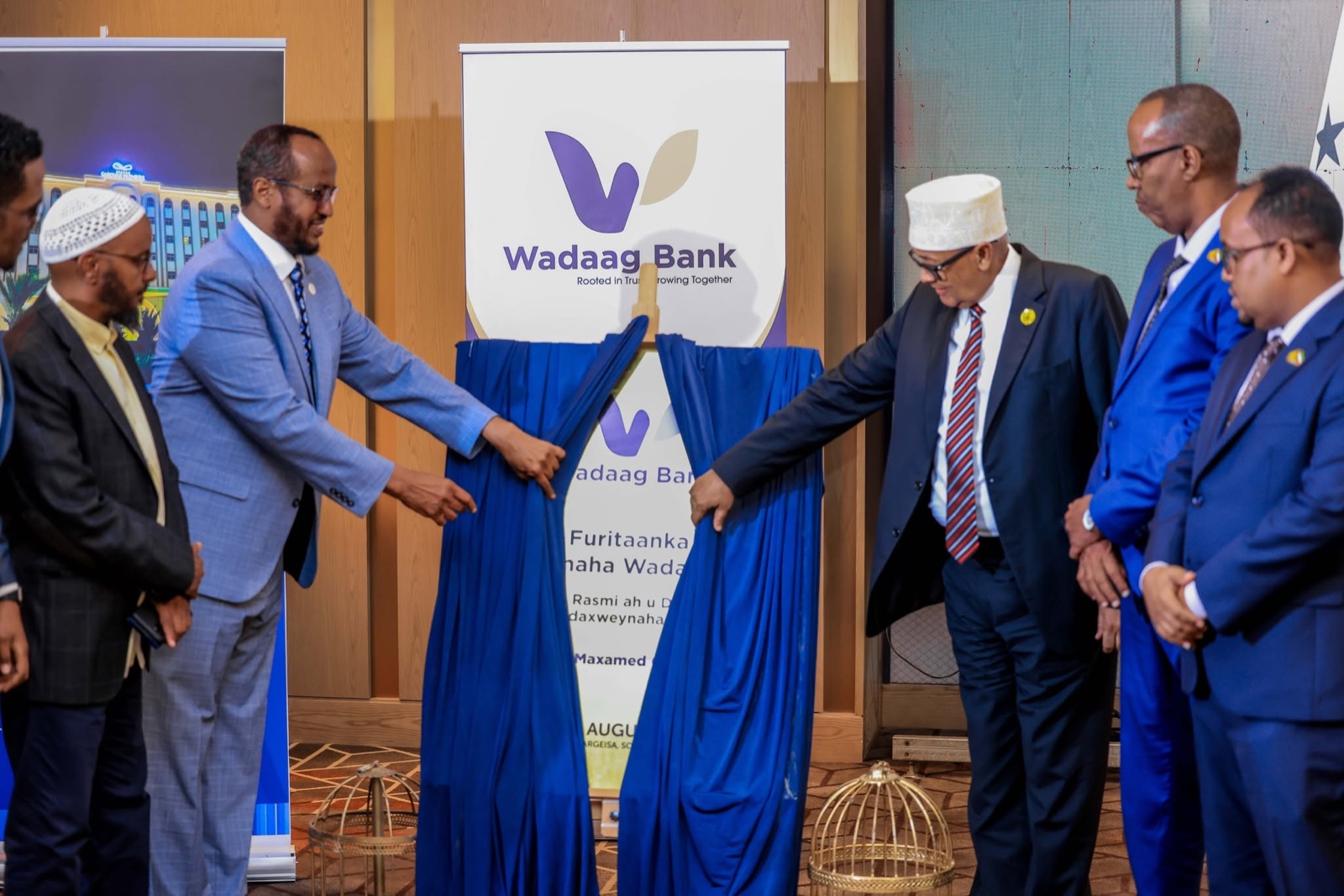
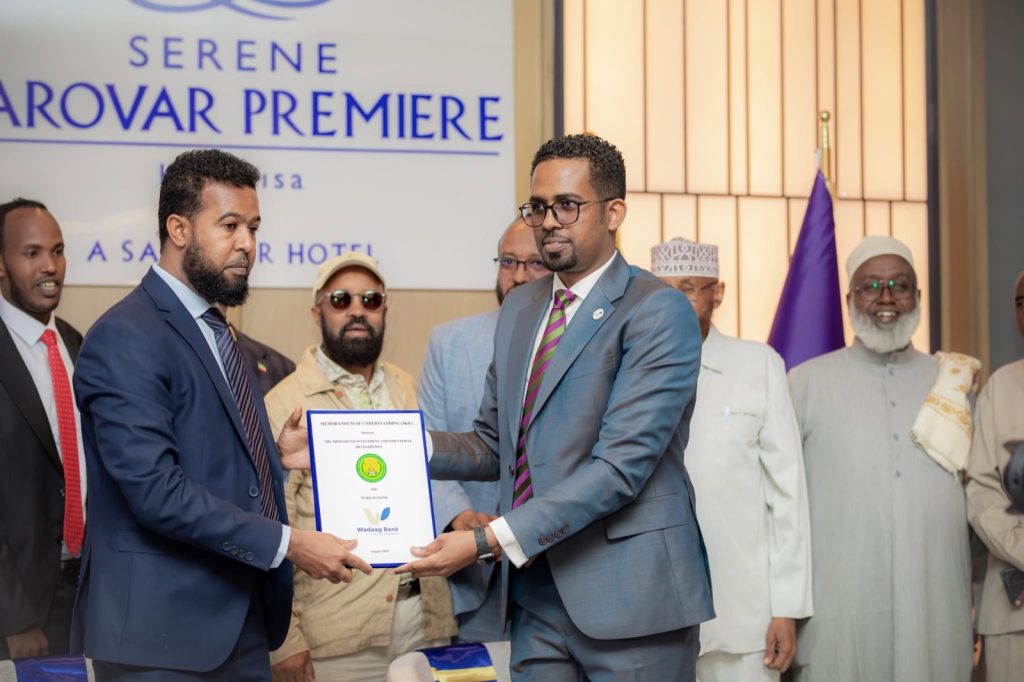
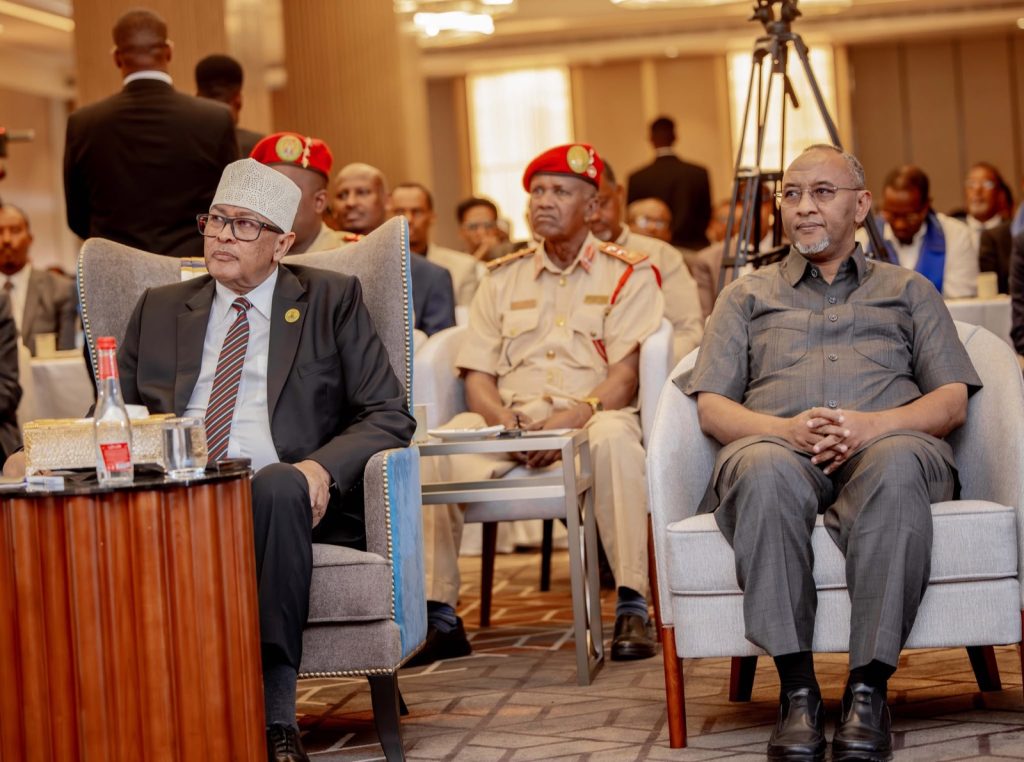
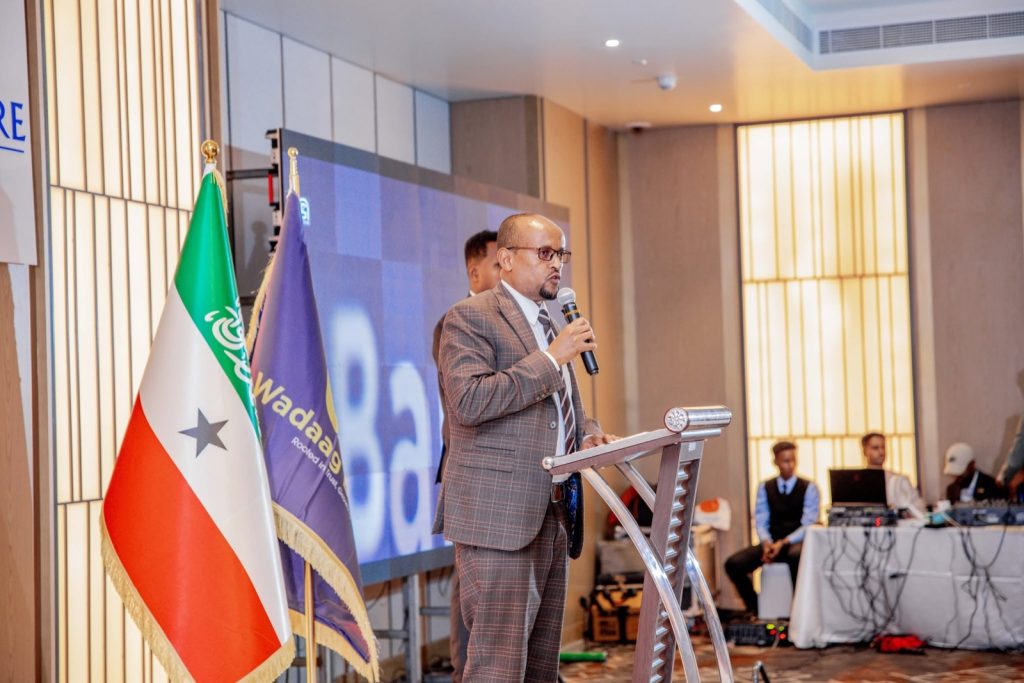
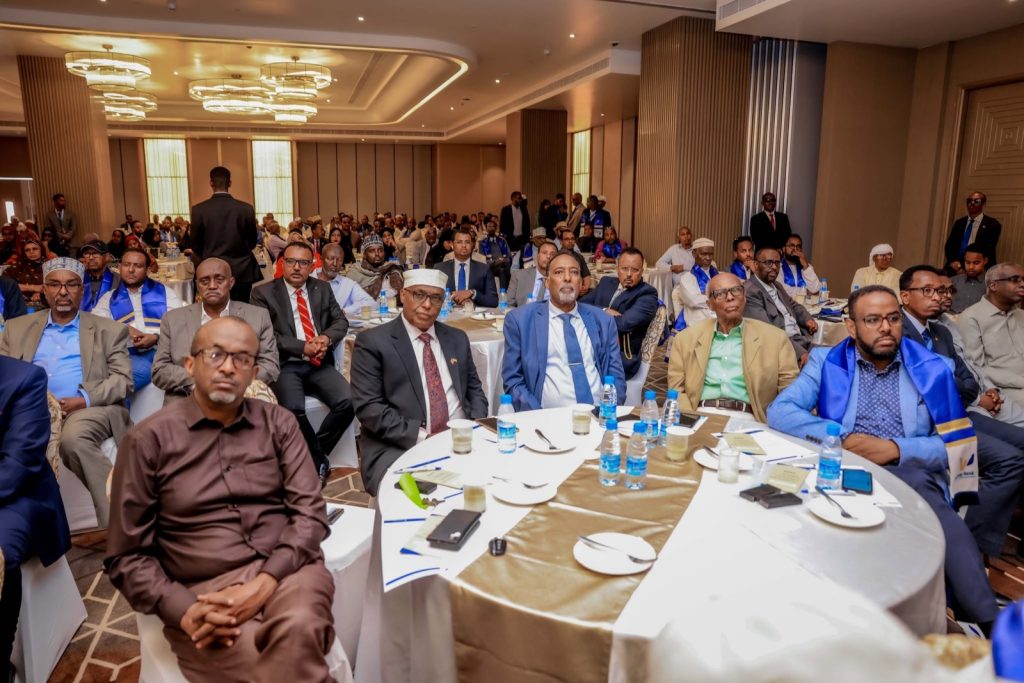
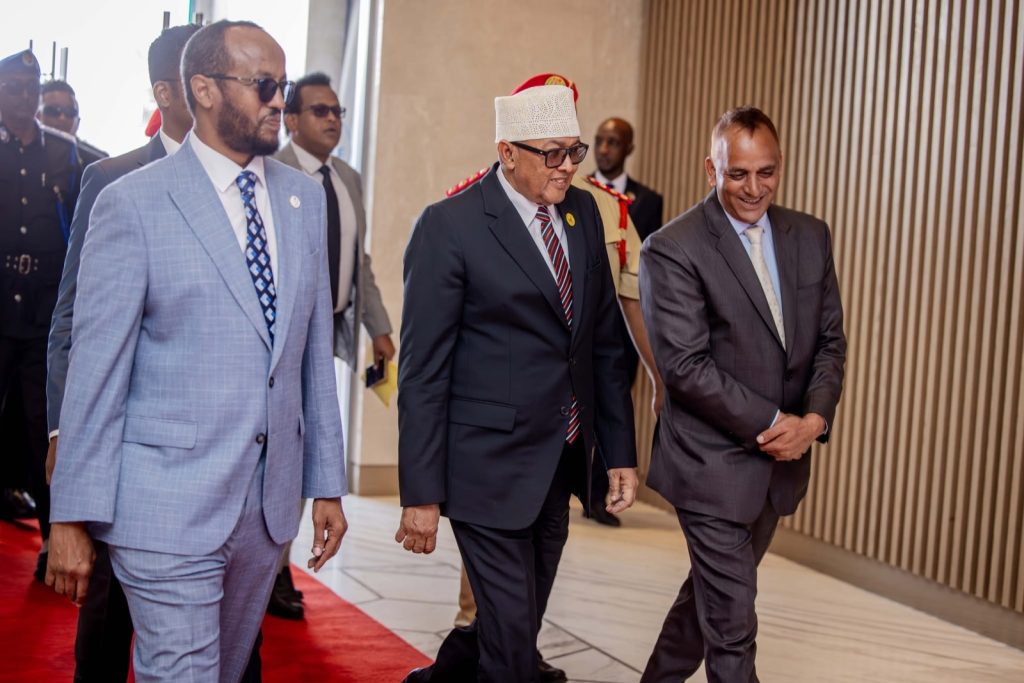
Wadaag Bank, the territory’s sixth licensed commercial bank, was inaugurated at the Sarovar Premiere Hotel in Hargeisa, Somaliland, on 31 August 2025, at a ceremony the bank says was attended by the President of the Republic of Somaliland and senior government officials. Almost a year later it is only now opening for commercial business: its own website still carried a “coming soon” notice on 2 August 2026.
The bank is licensed by the Central Bank of Somaliland and describes itself as digital-first and fully Sharia-compliant. Its ownership structure is the unusual part. Shares are sold to the public at $1,100 each across three tiers, from founding shareholders holding 500 shares or more down to general shareholders with fewer than 100.
Mobile money is the part of Somaliland’s financial system that already works. Telesom’s Zaad and Dahabshiil’s eDahab are used almost universally, and Wadaag says its platform interoperates with both. Elsewhere on the continent that kind of interoperability has taken years of regulatory pressure, as with Kenya’s operator integration, or purpose-built open-source rails such as Mojaloop.
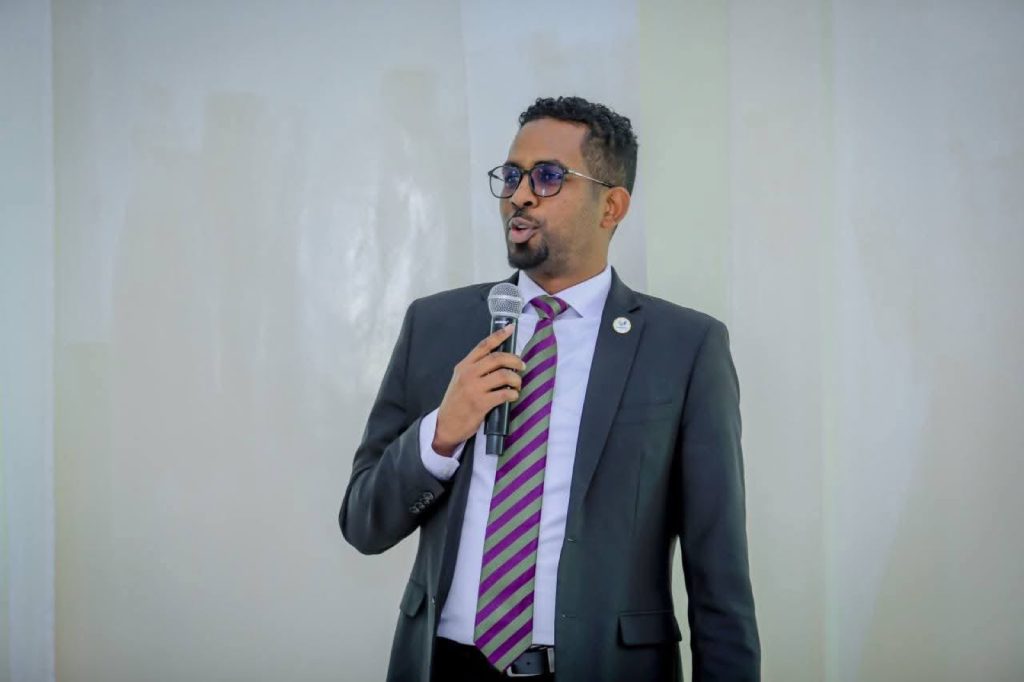
Abdirahman Muse, chief executive of Wadaag Bank, answered tech.africa’s written questions on what digital-first means in a territory where formal banking is concentrated in four cities, how Sharia structures hold up inside an app, and what it costs to build a bank that the global financial system does not formally recognise.
This Q&A has been lightly edited for brand conventions, house style and length. The structure of Muse’s answers is preserved.
What gap in Somaliland’s financial system did Wadaag set out to fill?
When we launched Wadaag Bank, our vision was not simply to establish another bank. We wanted to transform financial inclusion in Somaliland. Although the banking sector has grown in recent years, it remains relatively small, with Wadaag becoming only the sixth licensed commercial bank.
We identified several major gaps. Existing banking services are concentrated in urban areas, many productive sectors remain underserved, and access to affordable Sharia-compliant finance is still limited. Digital banking capabilities are also underdeveloped, particularly for rural communities.
| Gap the bank identified | What Wadaag says it offers |
|---|---|
| Limited range of Islamic financial products | Mudarabah, Musharakah, Sukuk and Ijarah structures |
| Banking concentrated in major cities | Nationwide agency banking and digital channels |
| Limited digital banking integration | A digital platform interoperable with the Zaad and eDahab mobile wallets |
| Expensive financing | Risk-sharing Islamic financing models |
| Few investment options for the diaspora | Diaspora investment and savings products |
| Limited support for Somaliland Shilling transactions | Full Somaliland Shilling integration across the platform |
| Limited housing and green finance | Islamic home finance and sustainable financing |
| No sector-specific financing | Dedicated agriculture, livestock, fisheries, mining and SME finance |
Our priority customers include individuals and families, SMEs, women entrepreneurs, young entrepreneurs, farmers, livestock producers, the Somali diaspora, and businesses that have traditionally been underserved by the formal banking sector.
What does “digital-first” mean in practice in Somaliland?
For us, digital-first means bringing the bank to the customer instead of requiring the customer to travel to the bank. Traditional banking services are largely concentrated in cities such as Hargeisa, Berbera, Burao and Borama, leaving many communities without convenient access to formal financial services.
Through our Wadaag Pay wallet and our website, customers can:
- Open accounts remotely without visiting a branch
- Complete digital onboarding with remote biometric identity verification
- Receive transaction alerts by SMS and WhatsApp
- Transfer money instantly
- Apply online for Islamic financing
- Receive financing digitally and repay electronically
- Reach services by smartphone, or by USSD where there is no internet access
- Transact with both the Zaad and eDahab mobile money platforms
This digital ecosystem allows us to reach customers anywhere in Somaliland while significantly reducing the cost of banking.
How do Sharia principles and digital banking combine?
Digital banking and Islamic finance are fully compatible. Technology is simply a delivery channel. Sharia compliance depends on the structure of the transaction rather than the method through which it is conducted.
One of the established principles of Islamic jurisprudence holds that commercial transactions are permissible unless they contain a prohibited element such as riba (interest), gharar (excessive uncertainty) or maysir (gambling).
Every investment and financing application submitted through our digital channels undergoes the same review as an in-person application. Each transaction is reviewed by our investment team, our compliance function and our Sharia Supervisory Board before approval. Customers can access Mudarabah investment accounts, Murabaha asset finance, home financing, SME financing, agricultural finance and trade finance digitally. Technology improves speed and convenience while preserving full Sharia compliance.
How is the bank reaching women, young entrepreneurs and small businesses?
Financial inclusion is one of Wadaag Bank’s founding objectives. We are using technology, agency banking and community partnerships to reach people who have traditionally been excluded. Our strategy is built around four pillars.
On financial inclusion, we are formalising traditional Hagbad savings groups, a rotating savings and credit association, expanding access to rural communities, providing Islamic microfinance and targeting more than 100,000 previously unbanked customers within five years.
On economic empowerment, we finance SMEs, support women-owned businesses, finance agriculture and livestock, and provide Qard Hasan, an interest-free loan, alongside partnership-based financing.
On financial literacy, we run community education campaigns, partner with universities and vocational institutions, and deliver youth-focused education through digital platforms.
On community development, we finance infrastructure through Sukuk, support renewable energy projects and are creating a Community Investment Fund linked to Zakat principles.
The biggest challenges remain financial literacy, digital literacy and reaching remote populations. However, technology is helping us overcome these barriers faster than ever before.
Why focus lending on livestock, agriculture and fisheries?
Productive sectors are the backbone of Somaliland’s economy. Agriculture and livestock alone account for over 60% of employment, yet they receive only a small share of formal financing.
Rather than focusing primarily on consumer lending, Wadaag Bank prioritises financing activities that create jobs, increase exports and stimulate long-term growth. That includes Murabaha financing for farm inputs, Ijarah leasing for agricultural and mining equipment, Mudarabah livestock investment partnerships, Musharakah financing for food processing and manufacturing, Wakalah solutions for agricultural cooperatives, warehouse receipt financing, Takaful-based risk protection, and export finance with Sharia-compliant guarantees.
Our financing decisions combine traditional credit analysis with sector expertise, cash-flow assessment and Sharia compliance.
How does the public-ownership model work?
Wadaag Bank is incorporated as a limited liability company under Somaliland’s Companies Act and is licensed by the Central Bank of Somaliland.
We deliberately adopted a broad ownership model because we believe banking institutions should be owned by the communities they serve. Founding shareholders hold 500 shares or more, major shareholders hold 100 to 499, and general shareholders hold fewer than 100. Each share is valued at $1,100. This model promotes transparency, strong corporate governance, broad public participation and long-term financial sustainability.
How does operating in an unrecognised state shape what the bank can do?
The Central Bank of Somaliland has made significant progress in strengthening banking supervision, corporate governance, capital requirements, anti-money-laundering and counter-terrorist-financing compliance, and consumer protection. That has created a more stable and transparent environment.
Operating in Somaliland presents both opportunities and challenges. On one hand, we have the flexibility to innovate and build solutions tailored to our local economy. On the other, because Somaliland is not internationally recognised as a sovereign state, establishing correspondent banking relationships and accessing global financial infrastructure requires additional due diligence and strategic partnerships.
To address this, we are actively building relationships with regional and international financial institutions while investing heavily in compliance systems that meet international standards. Our objective is to provide secure international payment, trade finance and remittance services while maintaining the highest regulatory and compliance standards.
What is operational today, and what comes next?
Our institutional foundation is in place. We have secured our banking licence, established our governance framework, recruited an experienced board member and management team, completed our core banking infrastructure and finalised our digital banking platform.
Over the next twelve months our focus is execution and expansion:
- Official public launch of banking operations in early August 2026
- Opening our headquarters in Hargeisa and a first branch in Berbera, next to the port
- Expanding SME, agriculture, livestock and housing finance from September 2026
- Introducing diaspora investment products from September 2026
- Establishing correspondent banking relationships from October 2026
- Launching Islamic investment products from November 2026
- Launching Wadaag Pay nationwide in January 2027
- Rolling out agency banking across Somaliland from May 2027, with more than 100 agents
- Growing to more than 20,000 customers in the first year
- Reaching 90% digital transaction adoption among active customers
What are the biggest challenges to building a digital bank in Somaliland?
The biggest challenge is not technology, it is adoption. Many people remain outside the formal banking system, internet connectivity varies across regions and financial literacy remains relatively low. Another challenge is building international banking connectivity while operating in a unique jurisdiction.
Despite these challenges, Somaliland also presents enormous opportunities. Mobile money adoption is among the highest in Africa, creating an ideal foundation for digital banking innovation.
What to watch
Wadaag’s targets are specific enough to be tested against: 20,000 customers in the first year, 90% digital transaction adoption among active users, and 100,000 previously unbanked customers within five years. Its own timeline puts correspondent banking relationships in October 2026, two months after operations begin.
That is the number worth returning to. Everything else on the list is within the bank’s control; a correspondent relationship is not, because it depends on a foreign institution deciding the compliance risk of an unrecognised jurisdiction is worth taking. Until one does, cross-border value will keep moving through remittance networks and, increasingly, through dollar-denominated virtual accounts built on stablecoin rails.
Wadaag Bank in pictures
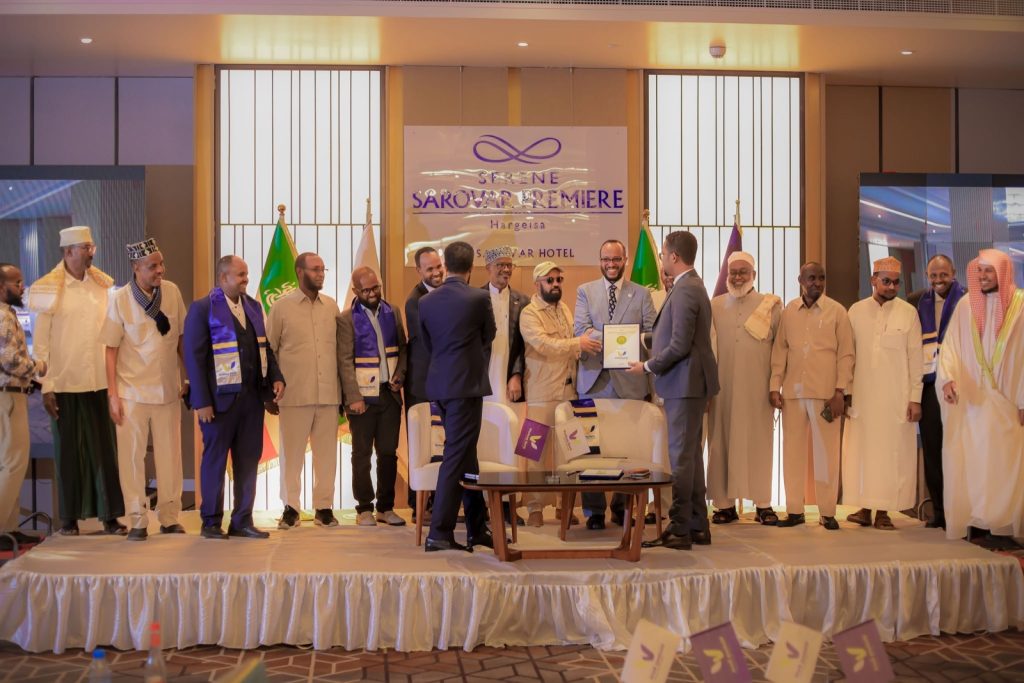
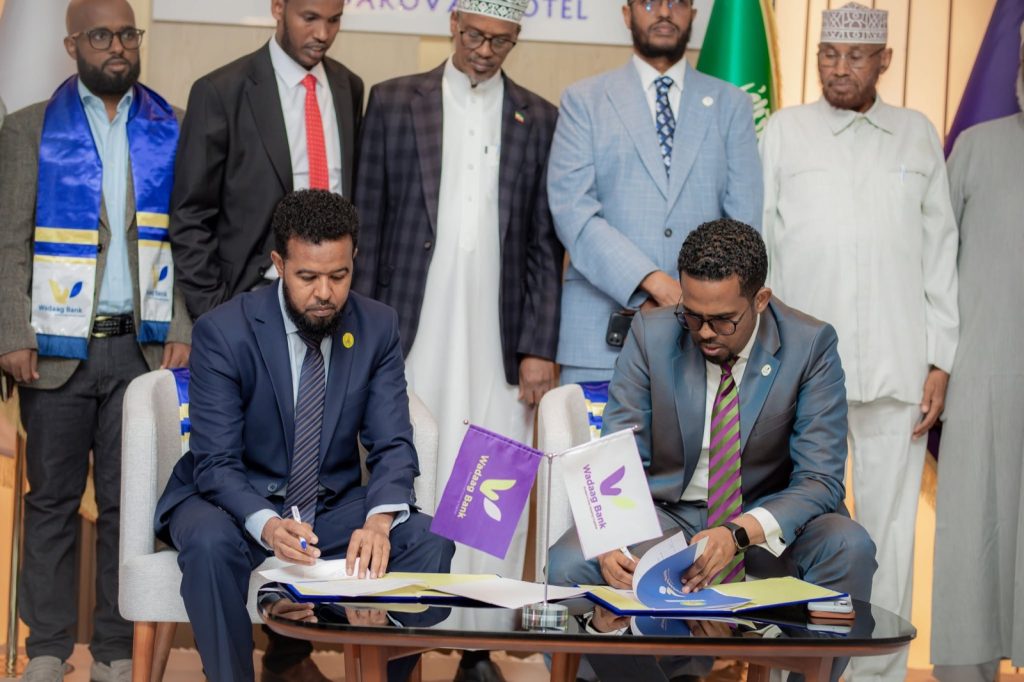
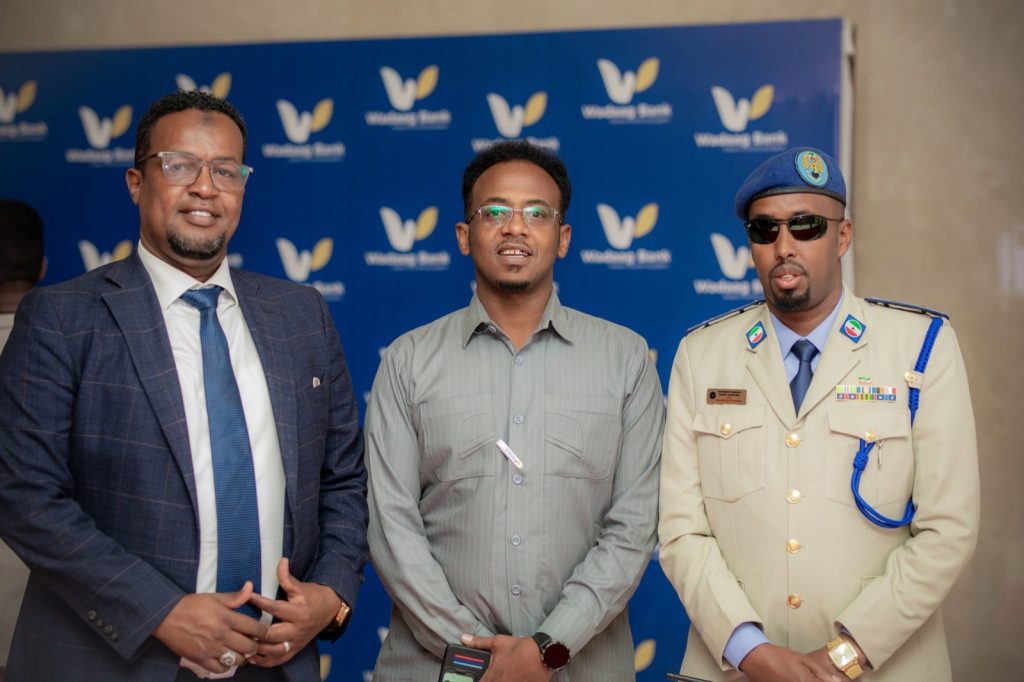
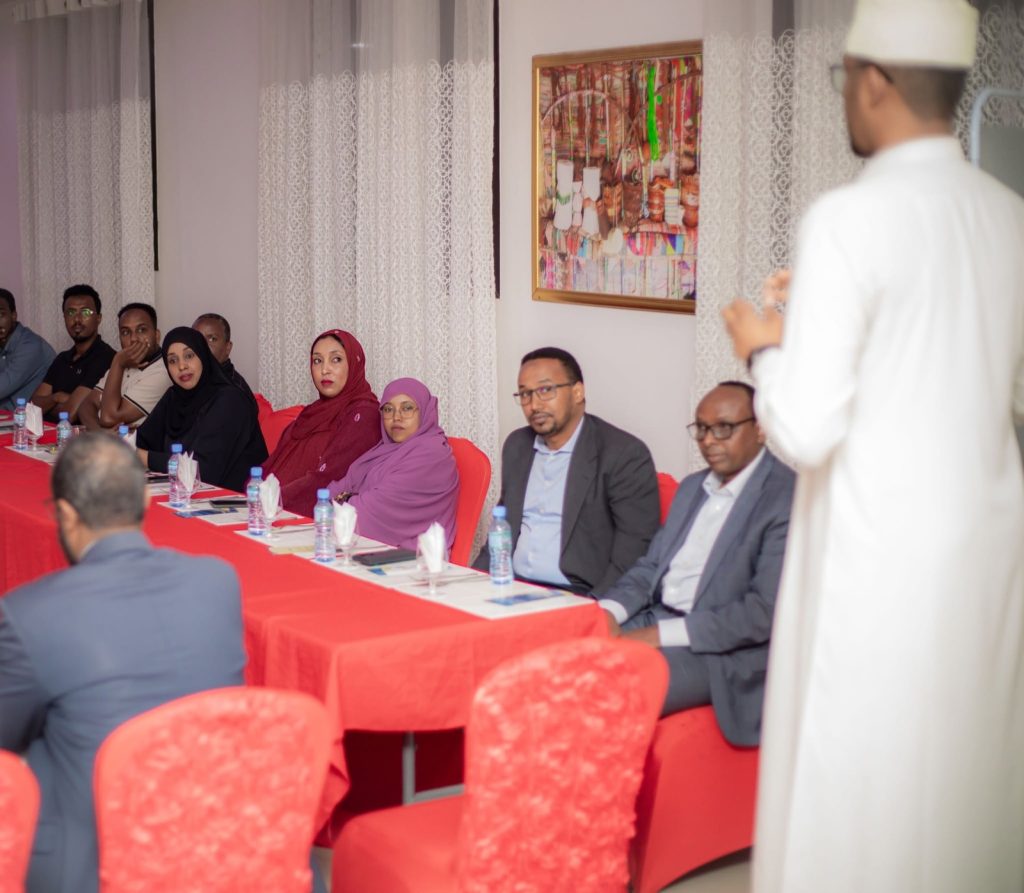
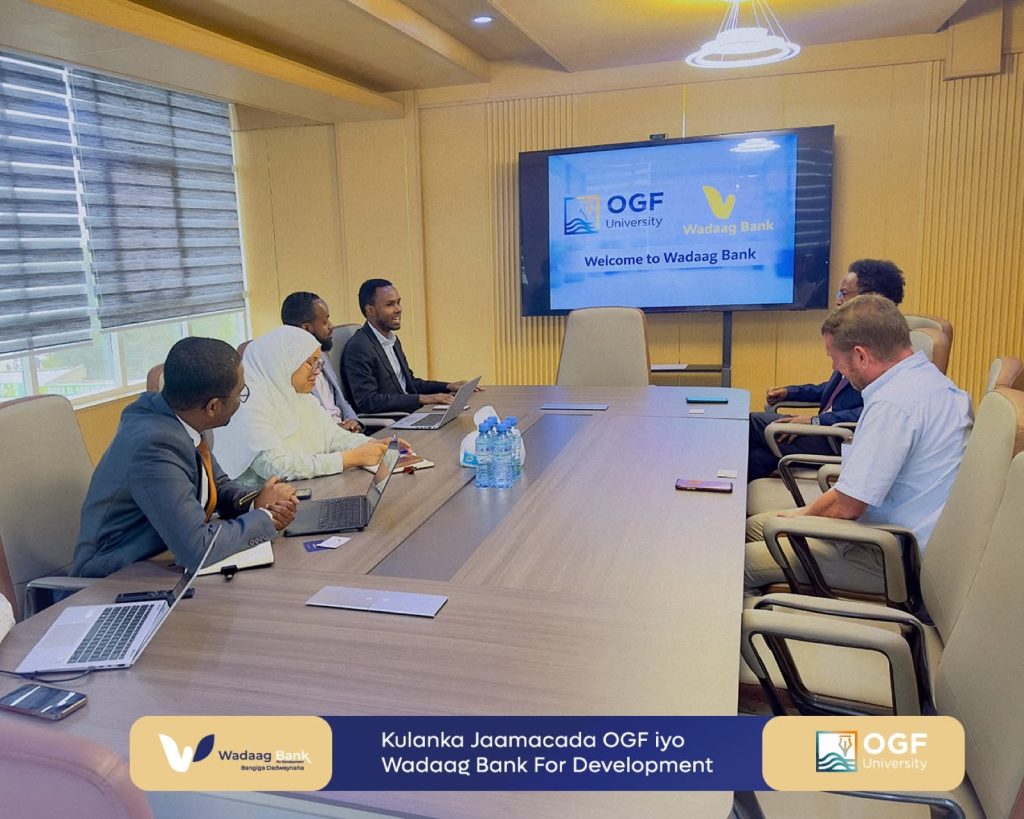
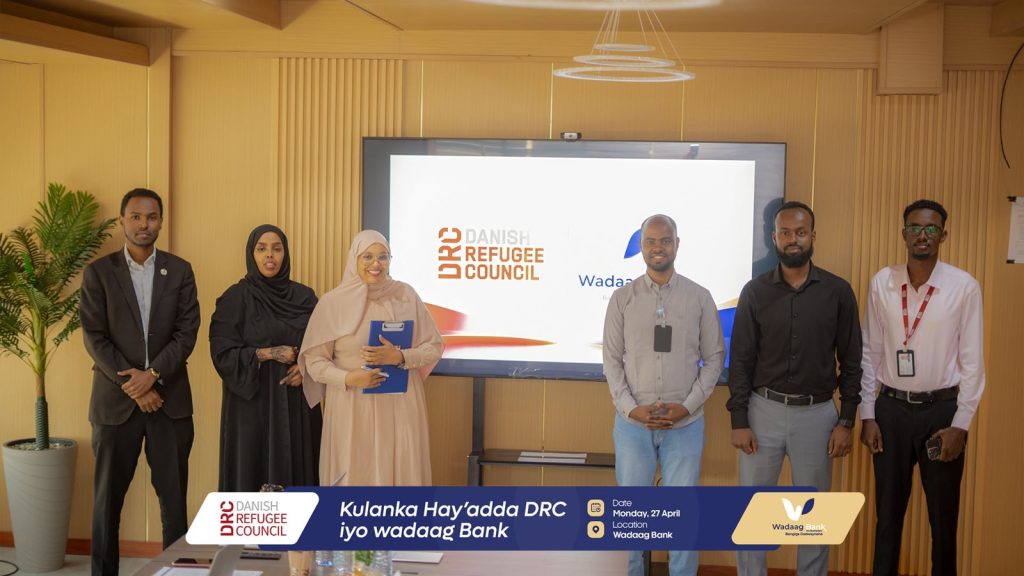
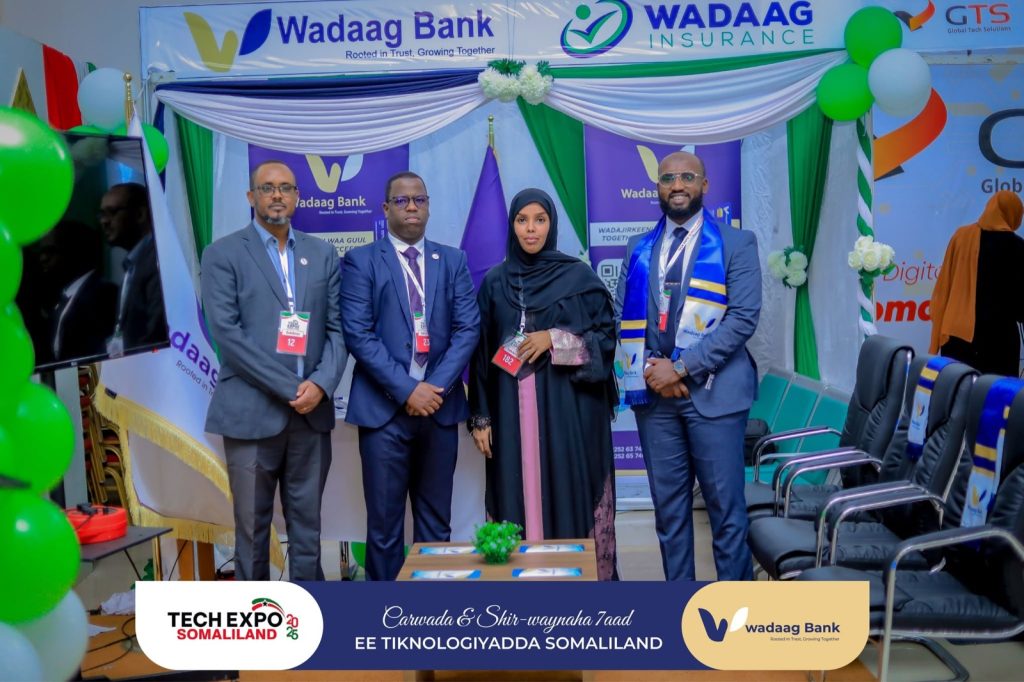
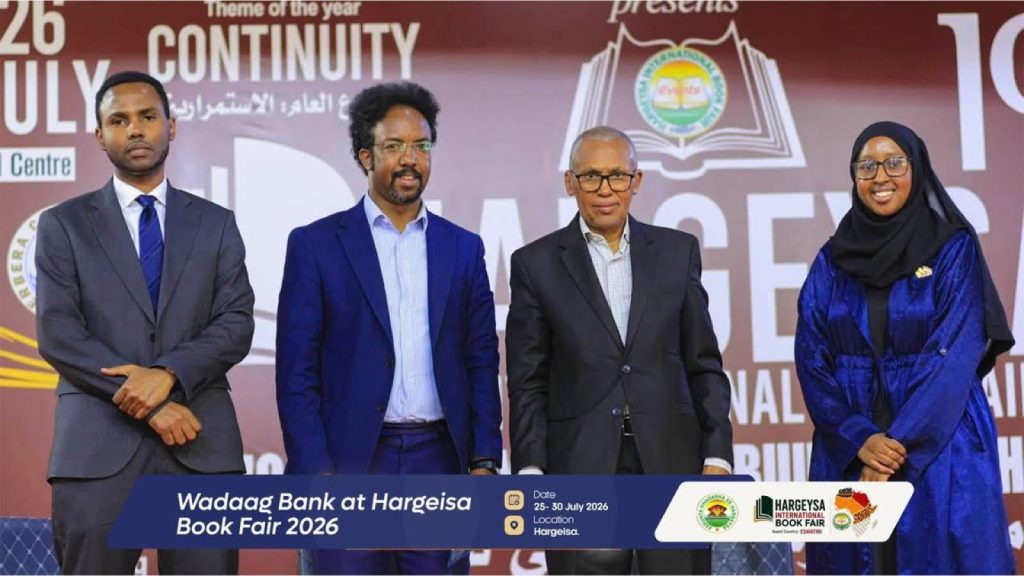
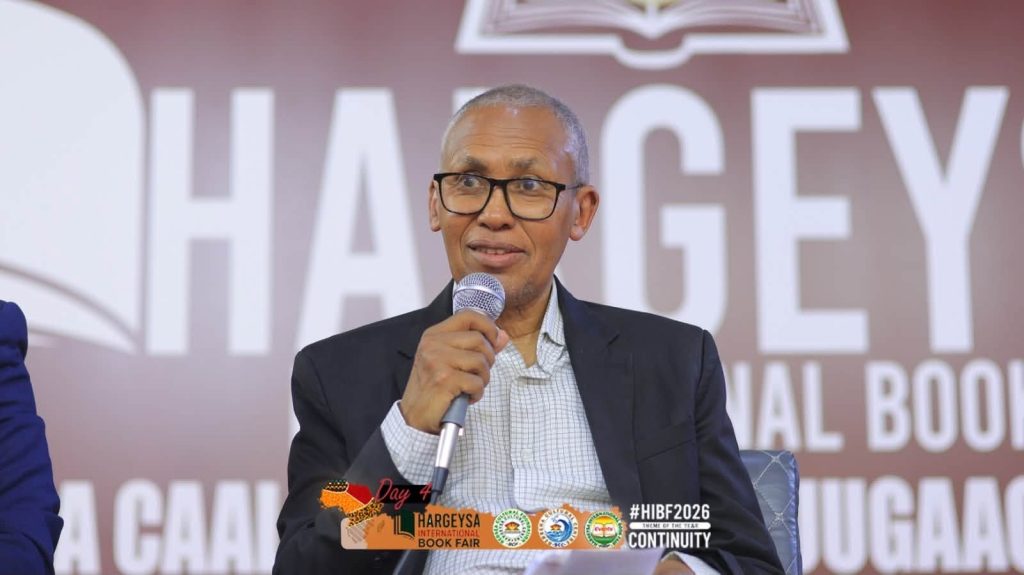
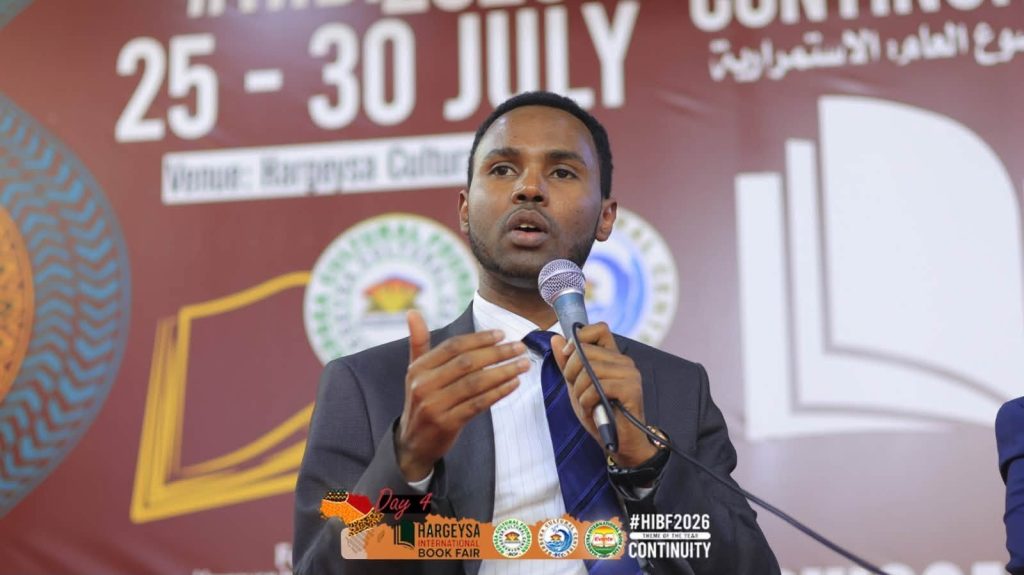
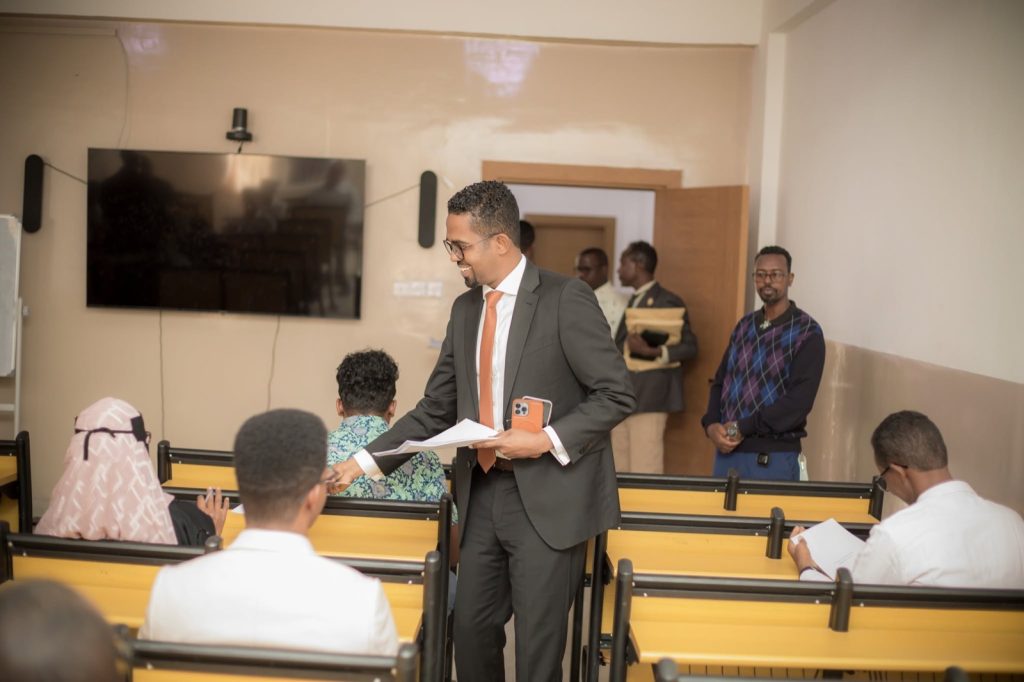
Images supplied by Wadaag Bank covering the August 2025 launch ceremony in Hargeisa, partnership meetings, and the bank’s appearances at Tech Expo Somaliland and the Hargeysa International Book Fair.

Leave a Reply