
Noah, a global payments infrastructure provider, and Nafolo, a West African financial application, have launched a partnership that provides African remote workers and students with virtual EUR and USD bank accounts powered by stablecoins.
The service targets a longstanding cost barrier in Sub-Saharan Africa, where receiving international payments costs an average of 9% in fees and traditional SWIFT transfers can take up to seven business days. By replacing correspondent banking with blockchain-based settlement rails, the partnership eliminates those fees and delays.
How it works
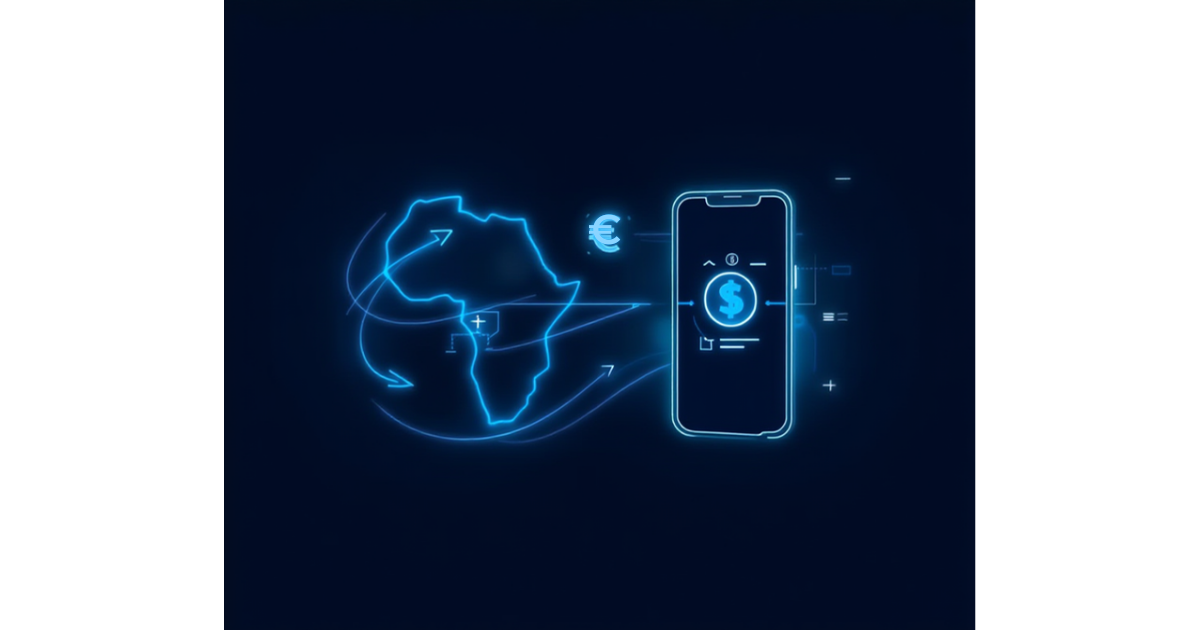
Noah issues named virtual EUR or USD bank accounts to users. When an employer or sponsor sends a standard domestic SEPA transfer, Noah’s infrastructure converts the funds into dollar-pegged stablecoins (USDC or USDT) and pushes them to the Nafolo application.
Recipients can hold their balance in digital dollars to hedge against local currency volatility, or withdraw instantly to mobile money networks, virtual cards, or bill payments. In some West African markets, local inflation has recently reached 22%, making dollar-denominated holdings particularly attractive.
Scale and growth
The platform already supports 50,000 active users and processes $5 million in monthly transaction volume. With month-over-month growth of 15% to 20%, the companies project 500,000 users by the end of 2026.
The partnership focuses on two segments: remote workers, particularly software developers contracted by European firms who previously lost roughly 10% of their gross pay to intermediary bank fees, and students receiving international stipends or pensions.
Noah’s infrastructure also supports automated mass payouts via API, allowing employers to send contractor payments that arrive as the exact digital dollar equivalent within minutes.
The announcement follows a similar partnership between Noah and Payd, which brought stablecoin-powered accounts to professionals across the broader African continent. The Nafolo integration is specifically tailored to West Africa’s mobile money ecosystem and the region’s growing remote workforce.


Leave a Reply