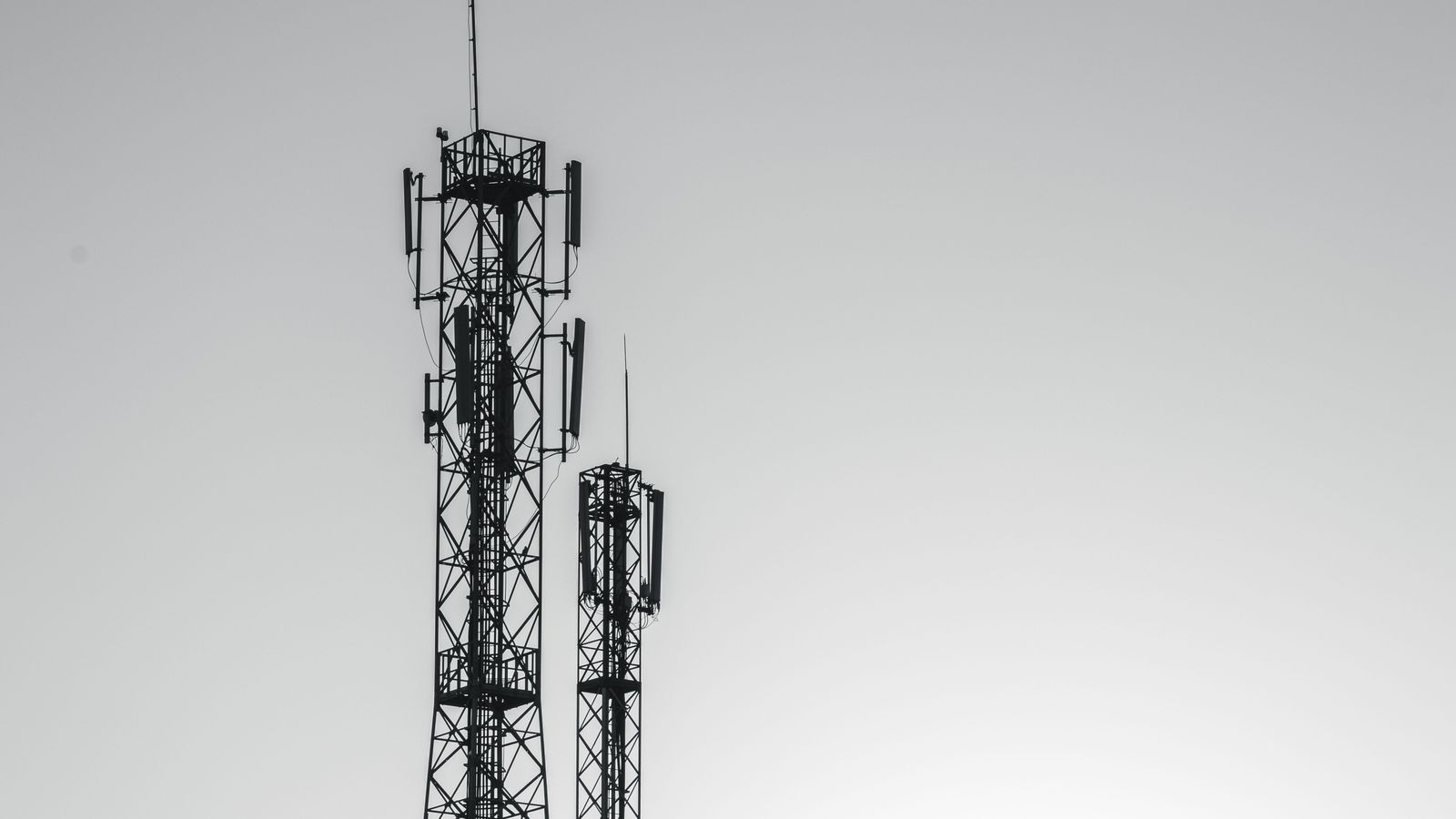
The Republic of the Congo has built fast mobile networks. Getting people to actually use them is now the harder and more valuable task.
Targeted policy and regulatory reforms could unlock around $1.4 billion (FCFA 870 billion) in extra economic value, create more than 144,000 jobs and connect over 540,000 additional people to mobile internet by 2030 in the Central African country, according to a new report from the GSMA, the global association of mobile operators.
The report, unveiled at the GSMA’s Digital Africa Summit in Brazzaville on 22 June 2026, argues that mobile connectivity and digital financial services, such as mobile money, could boost productivity and broaden the tax base, in line with the government’s Congo Digital Strategy 2030.
Coverage without usage
The country’s problem is not network reach. Some 86% of the population is covered by 4G, yet only 19% use mobile internet, meaning roughly 70% of those who could get online do not. Limited smartphone affordability, thin digital skills and regulatory friction all hold usage back.
In the GSMA’s Digital Nations and Society Index, the Republic of the Congo scores 26 out of 100, with a digital policy and regulatory score of 33, indicating significant room to improve the enabling environment.
“The Republic of the Congo has built a strong foundation in mobile connectivity, but bridging the usage gap now requires coordinated fiscal, regulatory and demand-side reforms,” said Caroline Mbugua, senior director for public policy and communication at the GSMA. A more predictable, investment-friendly environment, she said, could “unlock significant economic value”.
A reform roadmap
The report sets out four priority reform areas across fiscal, regulatory and demand-side policy, and calls for the digital sector to be treated as a strategic investment priority. Pushing 4G coverage from 89% to 97% of the population, it notes, will need further investment that only a stronger policy environment is likely to attract.
The findings echo the GSMA’s wider message on the continent, where mobile technology already contributes hundreds of billions of dollars to the economy, and operators have warned about the fragility of the networks underpinning it. For Congo, the gap between coverage and adoption is the line between a connected economy and an expensive idle network.


Leave a Reply