Fuel costs and supply pressures are putting African mobile networks at risk, the GSMA has warned in a public call for coordinated action between governments, regulators and industry.
The mobile industry trade body, which represents operators serving most African subscribers, said in a statement issued from London, United Kingdom, that connectivity should be treated as essential infrastructure on par with water and energy. Networks underpin emergency communications, financial services, healthcare and education across the continent — yet operating conditions are increasingly precarious.
What is at risk
Where digital gaps remain greatest, fuel shortages do not just disrupt telecom operations; they threaten essential services, economic activity and broader digital progress, the GSMA said. The group framed connectivity continuity as a national development priority rather than a sector-specific concern, citing the role of resilient networks in sustaining commerce, digital payments and emergency coordination during economic strain.
What the GSMA is calling for
The trade body called for urgent, coordinated action between governments, regulators and operators to keep networks operational. Its agenda emphasises improving energy efficiency, protecting critical sites and continued network investment, alongside policy responses that recognise mobile networks as essential infrastructure under crisis conditions.
African context
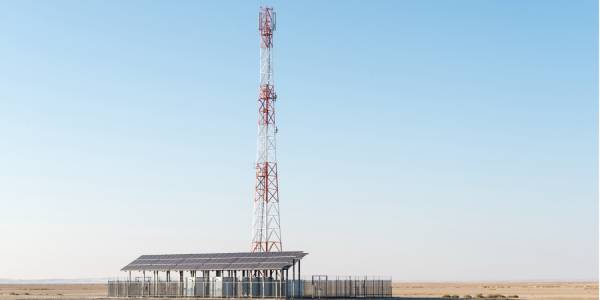
African mobile networks are particularly fuel-dependent because of grid unreliability across many markets, with operators running diesel backup at base station sites. Internet exchange operators have invested heavily in resilience, and mobile operators, including MTN, Vodacom, and Safaricom, have rolled out solar-powered base stations and battery banks in recent years. Diesel costs continue to pressure operating margins regardless.
The mobile industry remains committed to working with governments and regulators to keep Africa connected, protect gains in digital inclusion and build more resilient digital economies for the future, the trade body said. The intervention aligns with the African Union Agenda 2063, which positions digital infrastructure as a continental development pillar.



Leave a Reply