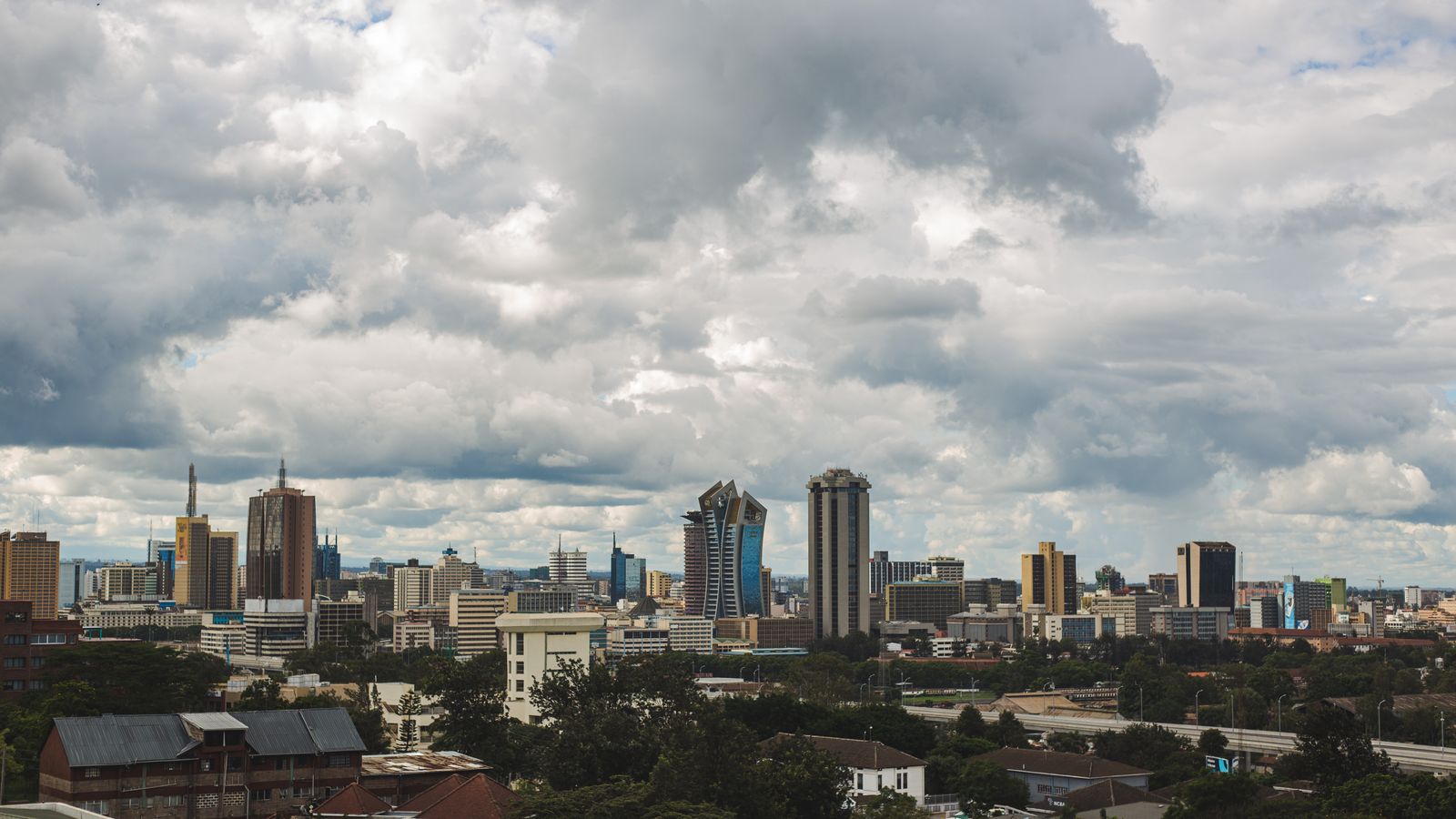
Vodacom has completed the deal that hands it outright control of Kenya’s Safaricom, the most valuable company in East Africa and the home of M-Pesa.
The South African group said it closed the acquisition of an additional 20% of Safaricom on Tuesday, 30 June 2026, lifting its holding to approximately 55%. The transaction is valued at 2.1 billion dollars (R35 billion).
Vodacom bought a 15% stake from the Government of Kenya and an effective further 5% from its own parent, Vodafone Group, both priced at KES34 per share. The completion followed a Court of Appeal stay granted on 26 June 2026 that allowed the transaction to proceed.
Vodacom first announced its move for a controlling stake in March, and the closing turns that intention into control of a business that connects more than fifty million Kenyans.
Why Safaricom matters
Safaricom is not just Kenya’s largest mobile operator; it is one of the continent’s clearest examples of telecoms and financial services merging. Fintech, led by M-Pesa, now accounts for 44% of its revenue in Kenya, and the company is building a second front in Ethiopia, where its customer base has reached about 14 million.
The scale shows up in the numbers. Safaricom contributes earnings before interest, tax, depreciation and amortisation (EBITDA) of R29 billion, against R63 billion for the wider Vodacom Group in its 2026 financial year. Consolidating majority control lets Vodacom pull more of that value, and more of Safaricom’s M-Pesa and network momentum, directly into its own accounts.
A bet on East Africa
“This is a landmark moment for Vodacom, for Safaricom, and for the communities we serve across East Africa,” said Shameel Joosub, Vodacom Group chief executive.
Kenya’s government, which sold down its holding, framed the exit as a vote of confidence rather than a retreat. “Safaricom’s best days are not behind it. They are ahead of it,” said John Mbadi, Cabinet Secretary at Kenya’s National Treasury.
For Vodacom, the deal deepens a strategy of concentrating on high-growth African markets and scaling financial and digital inclusion across the region. The open question is how a majority-owned Safaricom, still carrying the cost of its Ethiopian build-out, balances that expansion against the returns its new controlling shareholder will expect.

Leave a Reply