Cloud infrastructure provider AFRICLOUD has launched its third region in Lagos, providing Nigerian businesses with in-country cloud servers for the first time and bringing West Africa its closest AFRICLOUD location yet.
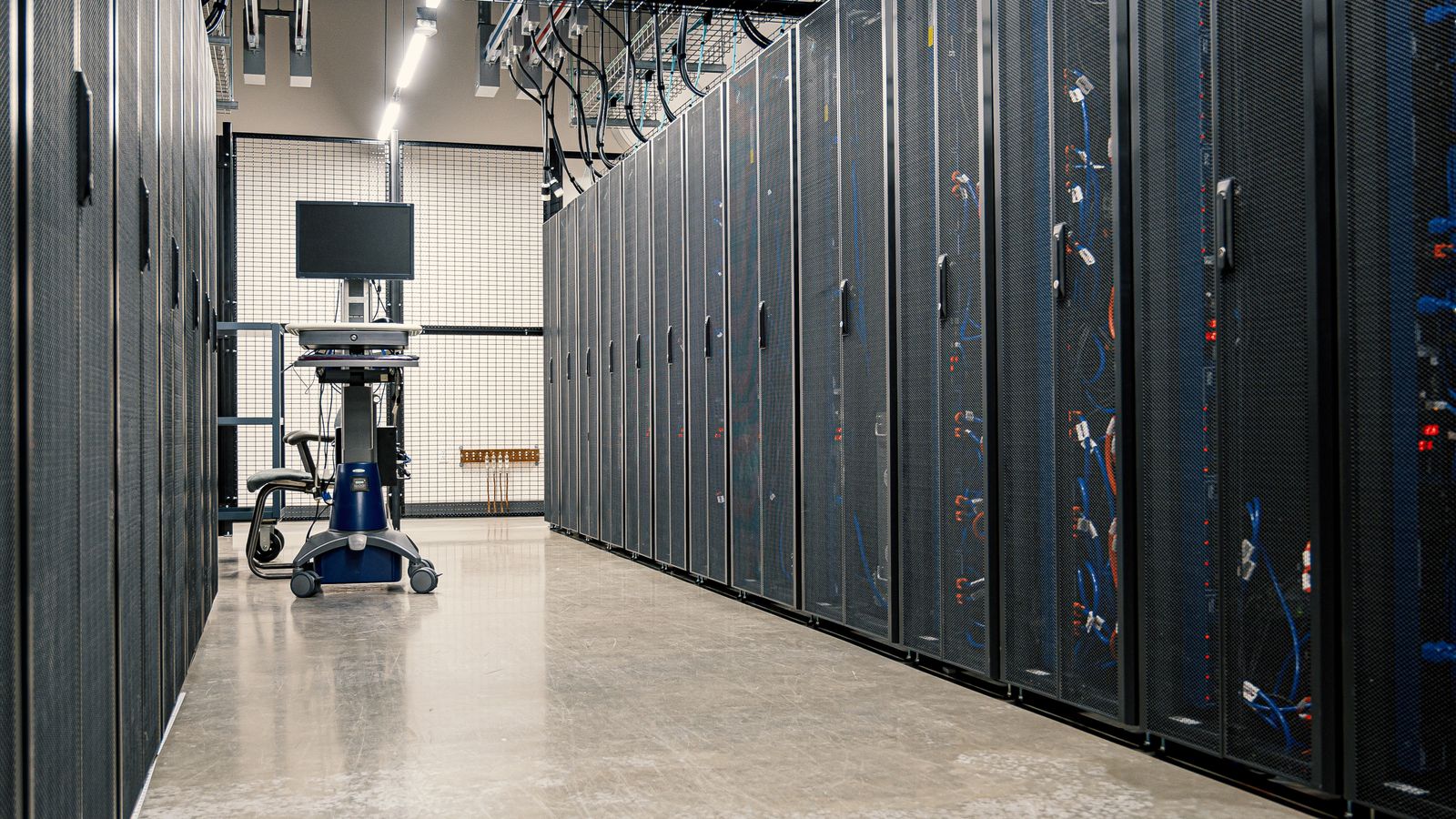
The Lagos region is a full compute location alongside the company’s existing regions in Lisbon and Johannesburg: the same account, the same dashboard and the same payment options, with servers physically hosted in a carrier-neutral data centre in Lagos’s central business district. Servers run on AMD EPYC processors with all-NVMe storage, ship with both IPv4 and IPv6, and provision automatically in minutes after checkout. Orders are open to everyone.
Residency first
The headline change is not speed but location. Hosting in the Lagos region means data stays on Nigerian soil, a question that has moved from server rooms to boardrooms since the Nigeria Data Protection Act (NDPA) took effect. Regulators, enterprise customers and public-sector procurement teams increasingly ask where data actually lives; specific compliance requirements still call for an individual legal assessment, but “is the data in Nigeria?” now has a straightforward answer for teams that want one.
Until now, most Nigerian workloads have been hosted abroad by necessity, in European, South African or American facilities. For Africa’s largest internet market, that default has just changed.
A three-region map, drawn by measurement
With Lagos live, AFRICLOUD’s regions divide the continent between them. Johannesburg serves Southern and Eastern Africa. Lagos serves Nigeria and much of West Africa, and reaches the landlocked Sahel over terrestrial West African fibre, markets that previously could only reach comparable infrastructure by routing through Europe. Lisbon serves North Africa and parts of West Africa alongside Europe, and reaches Brazil over a direct subsea route between Portugal and South America.
Those coverage zones are not marketing geography. They follow AFRICLOUD’s own continent-wide round-trip measurements, taken across thousands of network vantage points, so each market is assigned to the region that measurably reaches it fastest. Inside Nigeria, that measured performance means an application hosted in Lagos feels local from Ikeja to Kano rather than hosted abroad.
The three regions also mean three jurisdictions on one platform: Lisbon under European Union law, Johannesburg in-country for South Africa under POPIA, and Lagos in-country for Nigeria. A team can keep Nigerian customer data in Lagos, serve European users from Lisbon and run Southern African workloads from Johannesburg without changing providers.
What builders get
The platform itself is built for self-service: full root access on every cloud server, block storage, automated backups and floating IPs as the architecture grows, and an API that can do whatever the dashboard does. Dedicated servers are provisioned automatically in the same dashboard for workloads that outgrow shared compute. The network runs layered protection, with real-time flood and per-host anomaly detection, strict anti-spoofing at every edge, and support available around the clock via chat and email. The Lisbon region has a further distinction: its facility is powered exclusively by renewable energy.
Payment options reflect how the continent actually pays: card, PayPal, more than 300 cryptocurrencies, and, in 12 African markets, mobile money in local currency.
Cloud servers in the Lagos region are now available through AFRICLOUD Nigeria, and the Lagos region page contains the region details.