
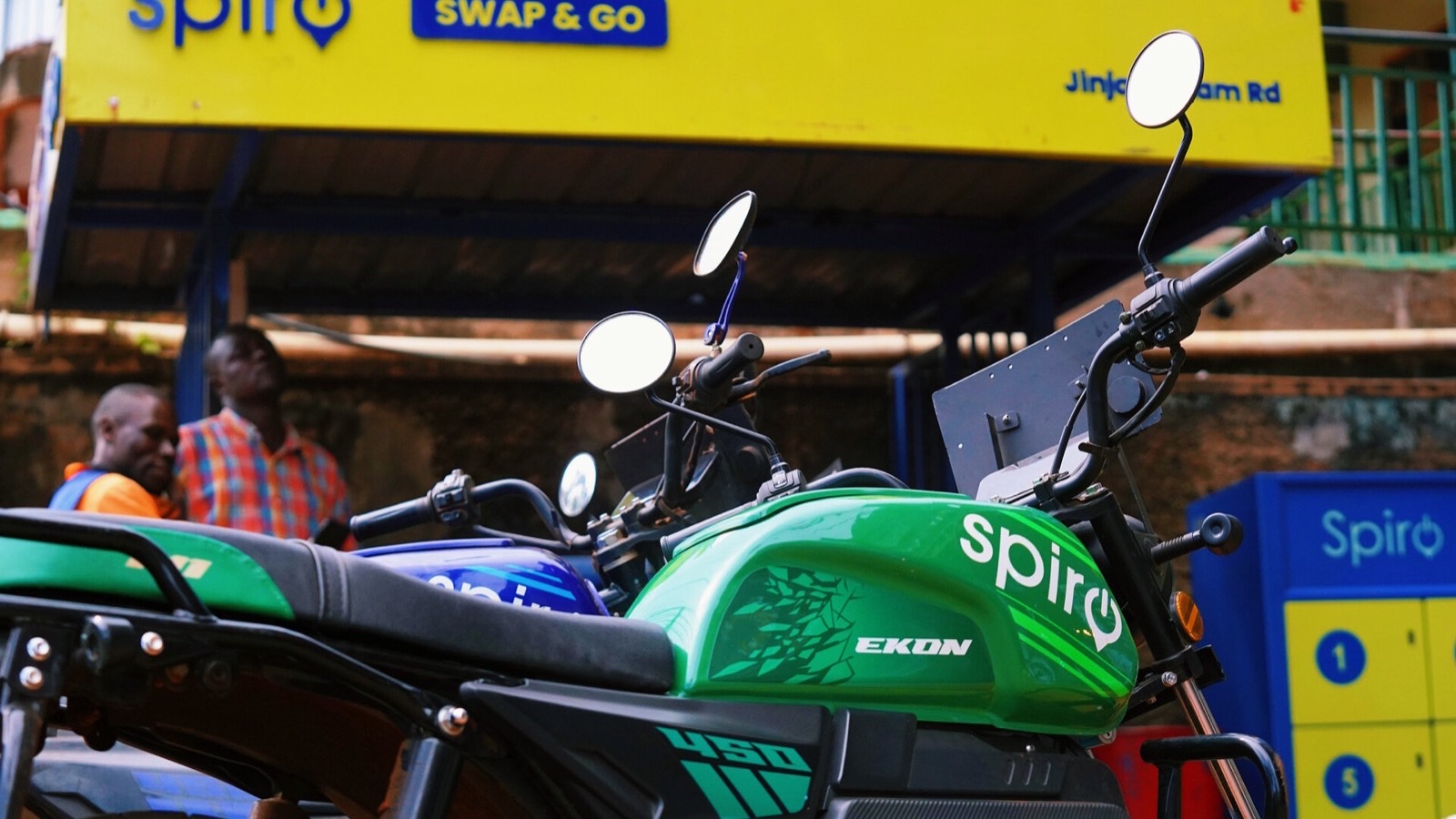
Spiro will buy electric two-wheelers from Yadea, the Chinese company that says it is the world’s largest maker of them, and run them on its own battery-swapping network. Spiro already manufactures motorcycles in 3 African countries, which the announcement does not address.
The partnership was announced from Dubai, United Arab Emirates, in a release dated 14 September 2026. Yadea will supply electric two-wheelers and related products for Spiro’s markets; Spiro will integrate them into its swapping and energy infrastructure; and the 2 companies say they will co-develop two-wheeler platforms engineered for African road conditions and commercial use.
Yadea says it has sold more than 100 million vehicles in over 100 countries, holds more than 2,000 patents in electric-vehicle technology and runs 10 production facilities.
Chinese capital in June, Chinese hardware in September
The release ties the deal to Spiro’s latest funding, and the sequence is worth setting out. In June we reported that Spiro closed a $270 million round with a fresh $55 million from NewTrails Capital, a growth-stage fund based in Shanghai and Shenzhen with an office in Nigeria.
Three months later, the supply agreement is with a Chinese manufacturer. The release says the partnership “deepens the China-Africa connection”, which is accurate as far as it goes. It also means the capital and the hardware now come from the same direction.
The question about the factories
Spiro operates in 7 countries: Kenya, Rwanda, Uganda, Togo, Benin, Nigeria and Cameroon. It has manufacturing plants in Kenya, Rwanda and Uganda and a battery-recycling facility in Nigeria, and says it has deployed 100,000 electric vehicles across 2,500 swap stations.
So a company that already assembles vehicles on the continent has agreed to buy them in. The release does not say where the units bound for Spiro will be built, nor whether they will supplement local output, replace it, or be assembled under licence at the existing plants. Yadea says it runs 10 production facilities globally and does not say where they are.
That distinction decides what the deal means. Licensed local assembly of Yadea platforms would deepen African manufacturing; imported finished units would substitute for it. Both are commercially rational and they point in opposite directions for industrial policy, which is why the continent’s battery-manufacturing push is the relevant backdrop.
What was not disclosed
The release did not disclose purchase volume, contract value, timeline, or a list of markets, and it did not name which of Spiro’s 7 countries will receive Yadea vehicles first. The 3 “main areas of collaboration” it refers to are supply, integration, and co-development, as described above.
Anant Badjatya, Spiro’s chief executive, said the partnership “helps us meet that demand at scale”. Gagan Gupta, the company’s founder and chairman of Equitane, called it “a major endorsement of our execution to date”. Wang Jiazhong, senior vice president of Yadea Technology Group, said Africa “represents a massive frontier for zero-emission transport”.
The disclosure worth waiting for is a unit number attached to a plant. Until then, the deal is a supply agreement with an open question about where the supplying happens.


Leave a Reply