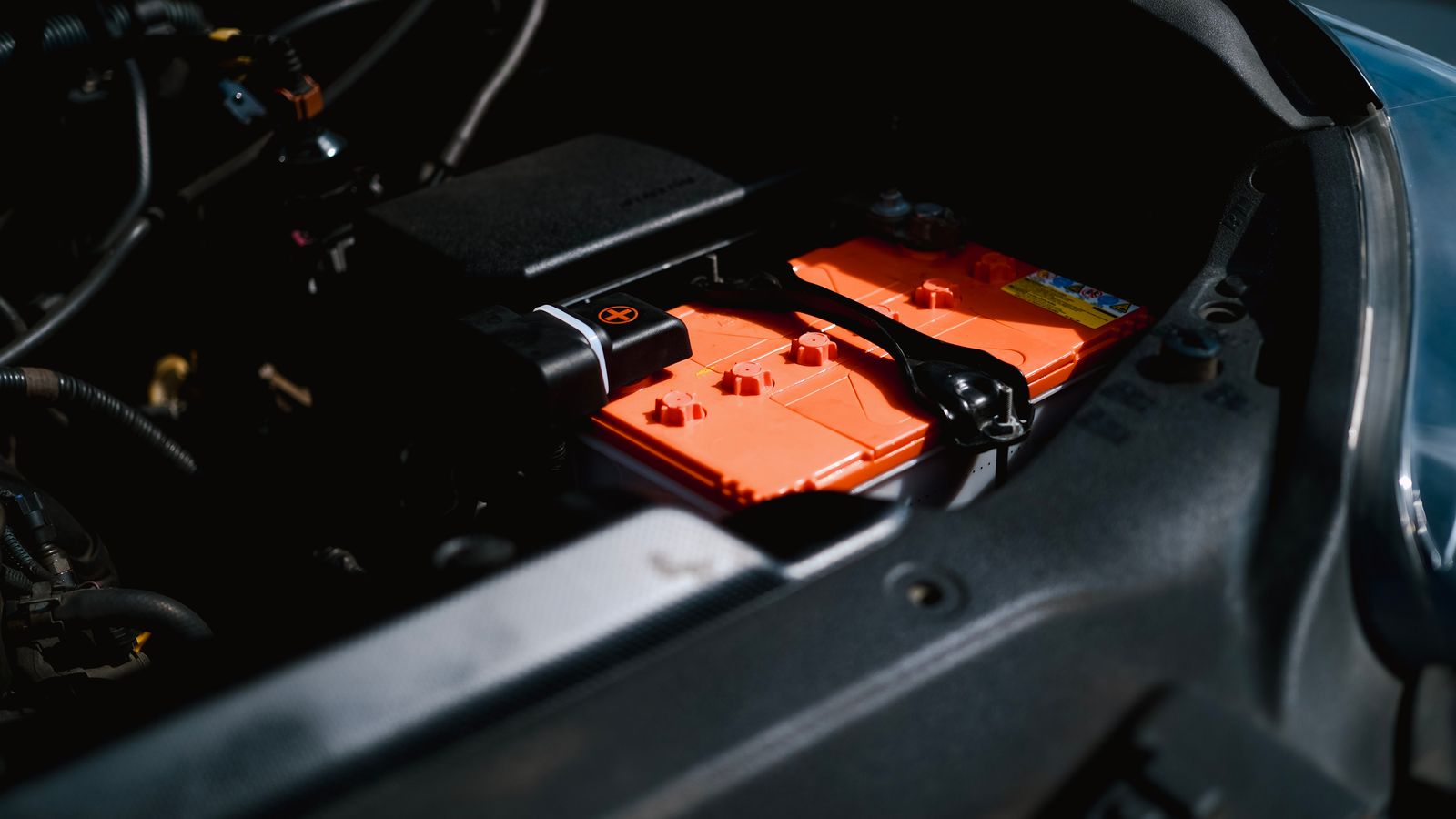
Africa is about to make its own electric-vehicle batteries. The African Development Bank has approved a €100 million loan to Gotion Power Morocco to build the continent’s first integrated battery gigafactory, the bank announced on 24 July 2026.
The plant, in the Rabat-Salé-Kénitra Free Trade Zone, will run the full cathode-to-cell process for lithium iron phosphate (LFP) batteries, the chemistry that now dominates the EV mass market. It is billed as the first integrated battery manufacturing facility in Africa and the wider Middle East and North Africa region. The bank is also arranging up to a further €141 million from other financiers as mandated lead arranger, which would take the backing toward €240 million.
From 10 to 100 gigawatt-hours
The project starts at 10 gigawatt-hours of annual cell and pack capacity in its first phase, with a plan to scale to 100 GWh. It is led by Gotion High-Tech, a large Chinese battery maker headquartered in Hefei and listed in Shenzhen, and is expected to create more than 600 direct jobs in phase one while reaching a local industrial integration rate of 70%.
That integration figure is the part that matters most for the continent. A gigafactory that imports every component and merely assembles it builds few lasting capabilities; one that sources most of its inputs locally begins to anchor a domestic supply chain. The African Development Bank explicitly tied the deal to “the local beneficiation of critical minerals”, the long-standing ambition to process Africa’s raw materials on the continent rather than exporting them and buying back the finished goods.
Batteries as the missing link
The bank framed the investment as much around energy as mobility. “Battery storage is the missing link in Africa’s clean energy transition,” said Kevin Kariuki, the bank’s Vice President for Power, Energy, Climate and Green Growth. “A facility of this scale, powered primarily by renewable energy, strengthens the foundations for the large-scale integration of solar and wind power, which our grids increasingly depend on.”
Storage is the piece African grids most lack: solar and wind are cheap to build but useless after dark or in still air without batteries to shift the supply. A domestic source of grid-scale storage cells changes the economics of every renewable project behind it.
Morocco’s manufacturing bet
For Morocco, the factory extends a deliberate industrial strategy. “This gigafactory will be a major catalyst for strengthening Morocco’s industrial competitiveness and for accelerating its emergence as Africa’s manufacturing hub for sustainable mobility industries,” said Achraf Tarsim, the bank’s country manager for Morocco. The country already hosts substantial automotive assembly, and battery cells are the logical next rung, echoing the wider continental push to move from extracting critical minerals to processing them.
Whether the batteries end up in cars built on the continent is the open question. Africa’s electric-mobility market is still young and led by two-wheelers rather than cars, with companies such as electric-motorcycle firm Spiro scaling fastest. A 100 GWh ambition is a bet that the demand, from African EVs, grid storage and export markets alike, will grow to meet the supply.




Leave a Reply