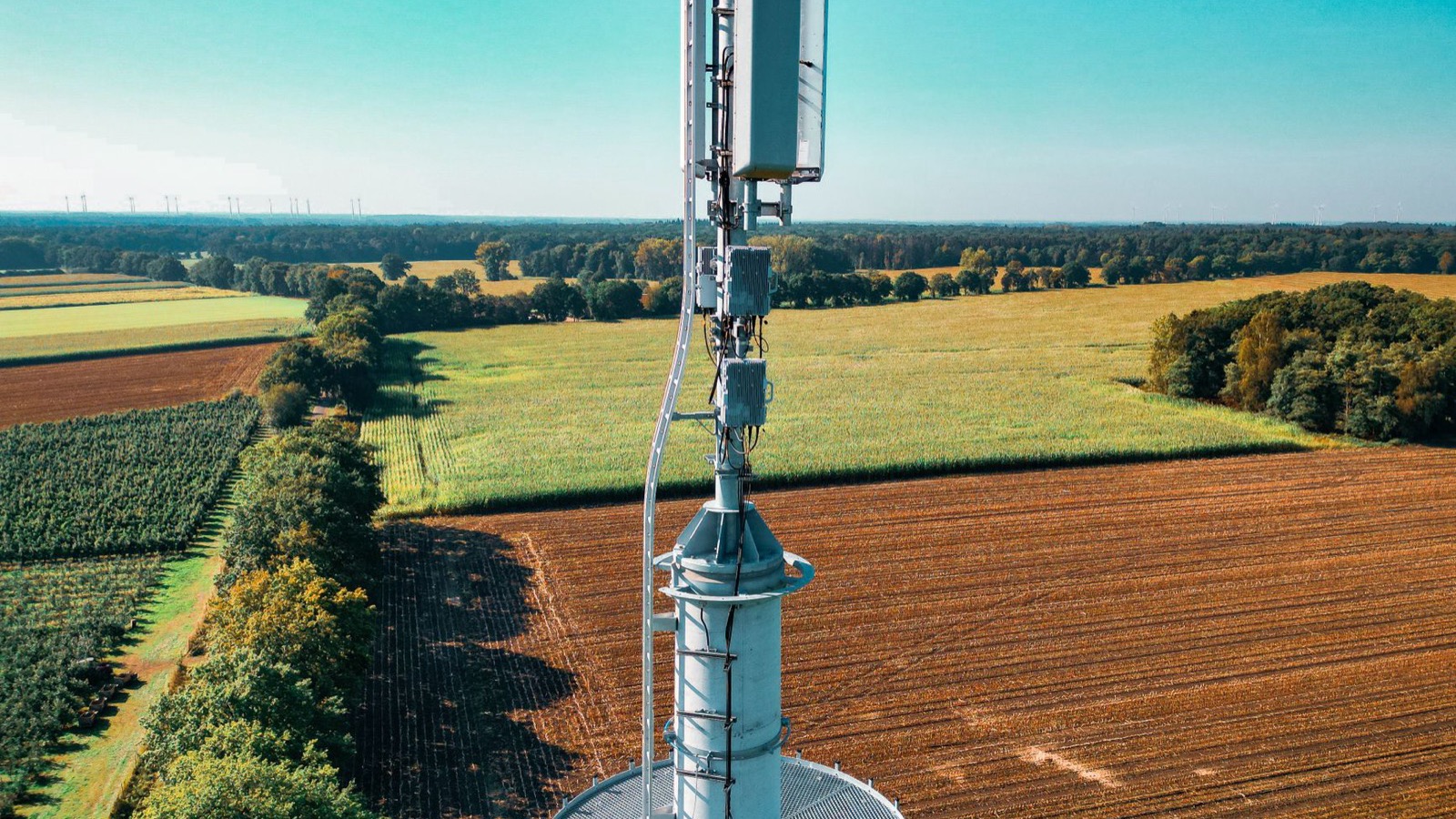
About 906 million Africans live inside mobile broadband coverage and do not use mobile internet. About 122 million live beyond any network at all.
That ratio, close to 7 to 1, is the finding underlying a roadmap the GSMA and the Partnership for Digital Access in Africa launched in New York on 21 September 2026, during the United Nations General Assembly. The usage gap is close to 60% of the continent’s population. The coverage gap is 8%.
The document, produced by GSMA Intelligence for PDAA, draws on 11 markets: the Democratic Republic of the Congo, Egypt, Ethiopia, Ghana, Kenya, Niger, Nigeria, Rwanda, Senegal, South Africa and Uganda. It supports PDAA’s stated ambition of a billion connected Africans by 2030.
What it asks for
The first priority is migration: converting more than 600 million legacy 2G and 3G connections into smartphone use on 4G and 5G. The second is treating energy and connectivity as one investment problem, on the argument that unreliable electricity undermines network economics, device charging and any sustained use of digital services.
The third is lowering the cost of serving rural areas, through shared infrastructure, public funding tied to outcomes rather than build, and anchor demand from schools, clinics and other public institutions. Around those sit the familiar conditions: affordable quality smartphones, practical skills, trusted services, locally relevant content.
“Africa has already built much of the network foundation for its digital future,” said John Giusti, the GSMA’s chief regulatory officer. “The urgent task now is to close the usage gap by making smartphones and services affordable, equipping people with practical skills, building trust and ensuring connectivity delivers visible value in people’s daily lives.”
The modelled number is smaller than the headline
A billion connected people is the ambition. The modelling is more modest: halving the usage gap across the 11 markets assessed would bring about 245 million additional people online. The roadmap is explicit that no single path applies everywhere, since some markets still need rural coverage and electricity while others need device affordability, skills or a reason to bother.
“The goal is ambitious, but it is achievable,” said Ellen Johnson Sirleaf, PDAA co-chair and former president of Liberia, who tied the outcome to bringing connectivity, electrification, devices and skills together rather than pursuing them separately.
What it looks like in one country
Rwanda, one of the 11, is the argument in miniature. A 4G signal reaches about 96% of Rwandans and 3G covers 99%, yet only 21% were using mobile internet last year, and the GSMA’s country report put the blame on handset prices, thin skills and too few services worth paying for. The continental roadmap says the same thing at scale, and adds electricity.
It made the same diagnosis in the Republic of the Congo in June. What differs this time is the energy argument and the request for public money to be paid against results rather than against towers built, which is a harder thing for a government to agree to than a coverage target. Kenya, by contrast, has committed KSh 40 billion of its own through its universal service fund.
The roadmap is advice to governments, industry and development partners, and carries no funding of its own. Its most useful contribution is the arithmetic: on these figures, connecting the unconnected is overwhelmingly a question of why people do not use a network they already have.


Leave a Reply