Washington is putting development finance into African digital infrastructure, and it is saying plainly what it expects to get back.
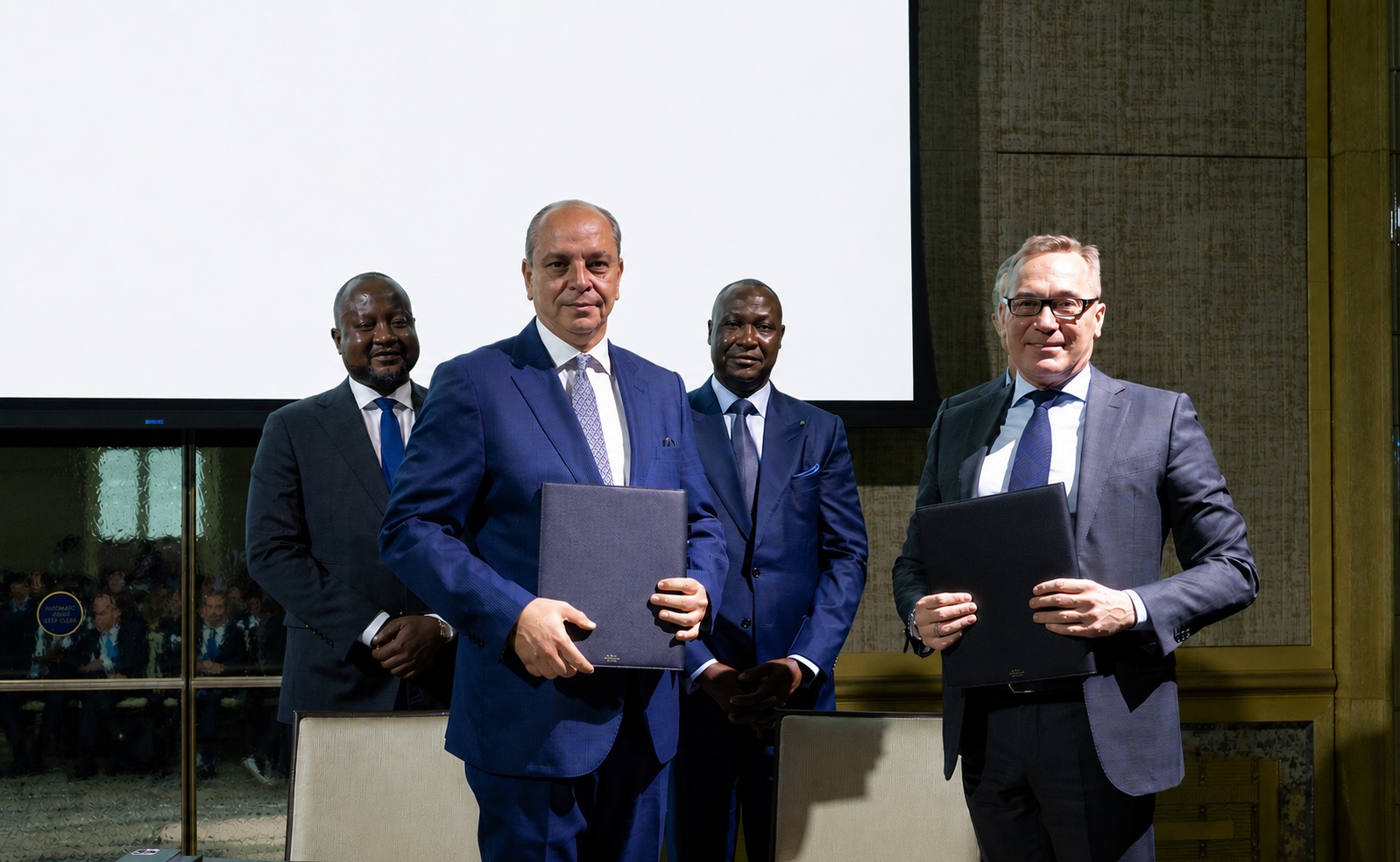
WIOCC Group said on 22 September 2026 that the US International Development Finance Corporation intends to join the Africa Finance Corporation and Vision Invest as an investor, weeks after the pair committed a combined $300 million to the company on 1 September. The announcement followed an AFC roundtable held alongside the United Nations General Assembly in New York.
Neither the amount nor the resulting shareholding was given, and the DFC investment is “subject to further steps before commitment and closing, including congressional notification”. It is an intention, not money received.
What the DFC says it is for
The development rationale is the familiar one, and the agency states it: connectivity that lets businesses and communities join the digital economy. Less familiar is the second half of the sentence.
“This platform will not only provide the connectivity that businesses and communities need to participate in the digital economy, but it will also support American and allied partner companies seeking to grow in one of the world’s most dynamic markets, including U.S. hyperscalers and the broader American technology ecosystem,” said Conor Coleman, the DFC’s chief of staff and head of investments.
That is development finance with an industrial-policy purpose attached, and it is stated, not implied. The hyperscalers it refers to are the American cloud providers whose African expansion depends on exactly the kind of fibre, landing stations and colocation that WIOCC sells.
Three sources of capital in one register
The more interesting outcome is the shape of the shareholder list. WIOCC is already partly owned by a consortium of African national operators, several state-linked, alongside the International Finance Corporation.
September’s round added Saudi money through Vision Invest. American development finance would add a third source of capital alongside the African and the Gulf money.
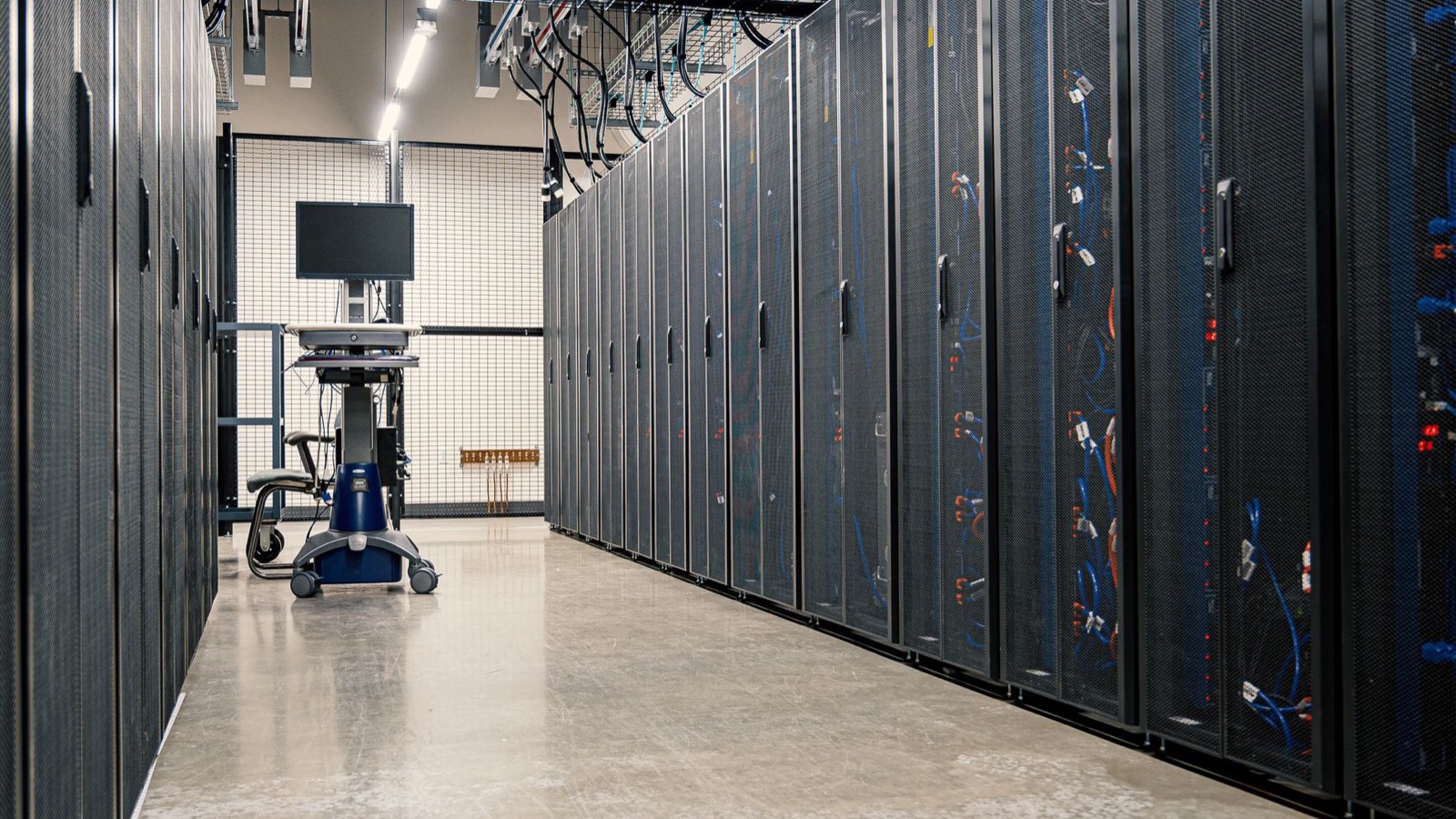
WIOCC operates in more than 30 African countries across subsea capacity, terrestrial fibre and, through its Open Access Data Centres arm, colocation. That arm has been building for AI-era rack densities in Johannesburg, where group chief executive Chris Wood again put the emphasis on data centre deployment and consolidation first, then fibre, then new subsea assets.
The gap, and the numbers around it
The announcement rests on external figures. The International Telecommunication Union put African internet use at 35.7% of the population in 2025 against a global average of 73.6%. UNCTAD projects a global AI market of $4.8 trillion by 2033, while warning that access to AI capability and the infrastructure under it stays concentrated in a few countries and companies.
Both are accurate, and neither is new. The usage gap has underwritten every African infrastructure pitch for a decade. What has changed is the competition to supply the layer underneath it, from capacity upgrades on existing subsea systems to new data centre builds, and the willingness of governments to fund a position in it.
Whether this one closes is a matter for the US Congress, and the company has not said when it expects an answer.


Leave a Reply