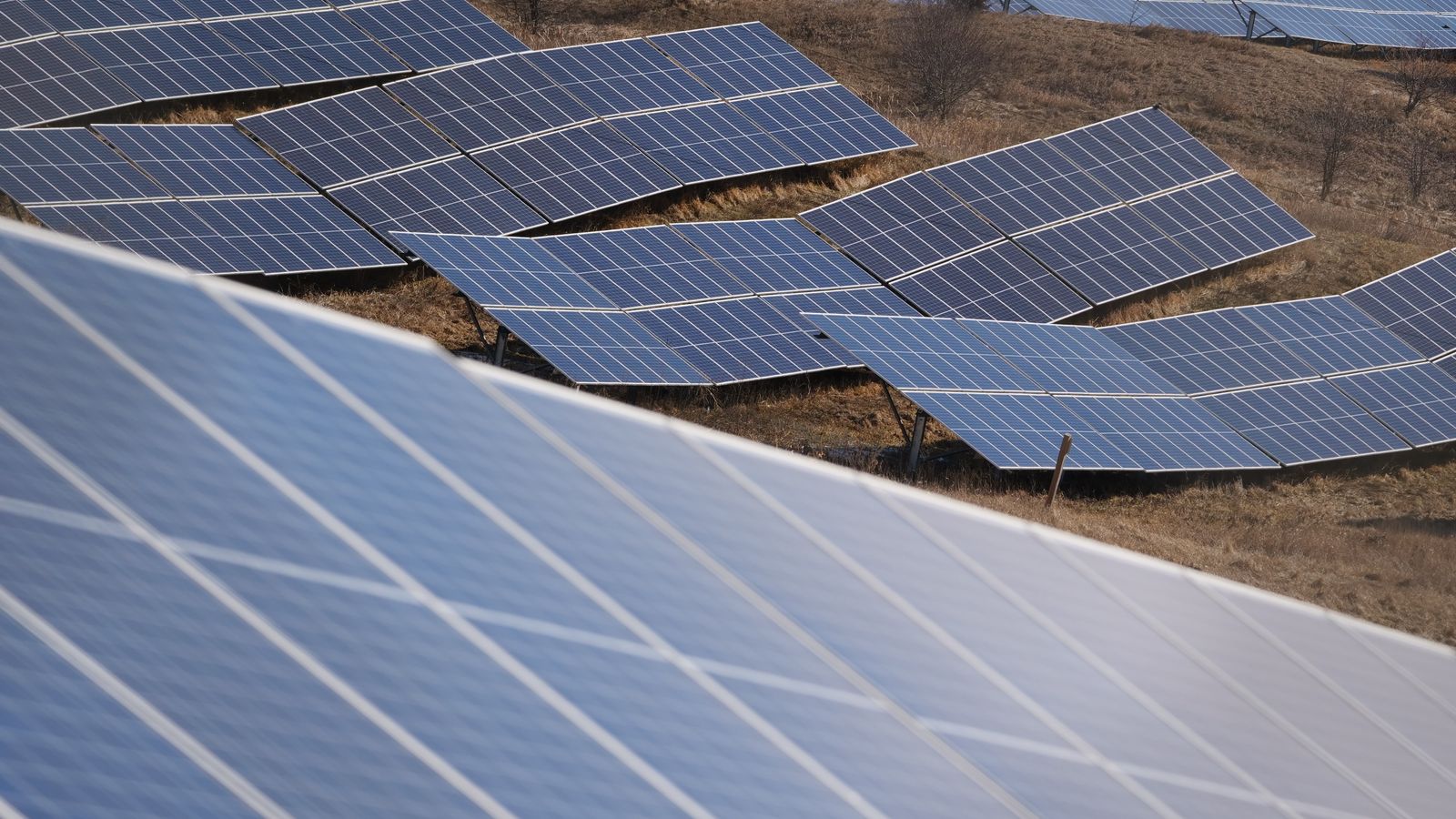
Vodacom says its virtual wheeling arrangement with Eskom has worked for a full year: the state utility has paid the operator a refund every month since November 2025, after matching its electricity use against renewable power from independent producers.
The companies said on 1 October 2026 that the mechanism had completed its first year of commercial operation, from 1 September 2025 to 31 August 2026. Vodacom says it was the first company in South Africa to run commercial virtual wheeling at scale.
How it works
Conventional wheeling links one generator to one buyer. Virtual wheeling pools a buyer’s consumption across many sites and matches it with renewable generation. That suits Vodacom, which has more than 15,000 low-voltage sites spread across 168 licensed municipalities, as well as sites supplied directly by Eskom.
Mezzanine, a majority-owned Vodacom subsidiary, handles the data side; its platform aggregates consumption across the sites and reconciles it with what the producers generate. Eskom then checks Vodacom’s monthly claims before paying the refund.
“This first anniversary represents far more than a year of successful monthly refunds. It is proof that our collaborative efforts have resulted in a workable, scalable solution for the country,” said Vodacom chief executive Sitho Mdlalose.
What was not disclosed
Neither company said how much electricity has been wheeled or what the refunds are worth. Vodacom also did not say how far the arrangement has taken it towards its goal of sourcing all of its electricity from renewable sources.
The agreement was signed in 2023 and needed 2 years of technical and regulatory work before commercial operation began. Vodacom presents it as a blueprint for other large businesses with many sites. Wheeling is also being used to move power to South Africa’s growing data centres.
In May, the GSMA warned that fuel costs put African mobile networks at risk, because many rely on diesel backup at their sites.



Leave a Reply