
The African Continental Free Trade Area (AfCFTA) Secretariat has named Kenya, Morocco and Nigeria as the first three countries to implement ADAPT, a digital infrastructure initiative designed to underpin cross-border commerce across the continent.
Announced from Accra on 19 May 2026, the launch marks the move from policy ambition to operational rollout for ADAPT, which stands for Africa Digital Access and Public Infrastructure for Trade. The Secretariat said it picked the three pilot countries after a two-stage assessment of national ratification status, legal alignment, digital public infrastructure readiness, private-sector engagement and co-financing capacity.
What ADAPT is
ADAPT was launched in November 2025 as a shared digital foundation intended to replace the paper-based processes and fragmented systems that drive up the cost of trading across African borders. The initiative covers digital identity, payment rails, interoperable data exchange, and trade documentation, all designed to plug into AfCFTA’s wider continental ambition to integrate 55 national markets.
The infrastructure is built on TWIN, an open digital trade interoperability stack, and the AfCFTA Secretariat is delivering it in partnership with the Tony Blair Institute for Global Change, the IOTA Foundation, and the World Economic Forum.
“The full implementation of the AfCFTA could boost intra-African exports by over 80% and generate up to US$450 billion by 2035,” said H.E. Wamkele Mene, Secretary-General of the AfCFTA Secretariat. “Through initiatives like ADAPT, digital public infrastructure spanning digital identity, payments, and data systems will be the engine that lowers trade costs, expands market access, and enables a more competitive, inclusive, and resilient African single market.”
Why these three countries
The three pilots cover three regions: Kenya in East Africa, Morocco in North Africa, and Nigeria in West Africa. The Secretariat said this geographic spread is intentional, designed to validate ADAPT across diverse regulatory regimes, payment systems and trade corridors before phased expansion to other AfCFTA members.
Implementation will be coordinated through ADAPT Country Implementation Forums in each market. Early work centres on connecting digital identity systems, integrating payment rails, and aligning national systems with continental interoperability standards. A live cross-border data exchange and digitised trade documentation are the first operational deliverables.
A digital backbone for African trade
The initiative also signals an opening to digital currency rails. The AfCFTA Secretariat said ADAPT will provide the basis for “future exploration of digital currencies such as stablecoins” alongside conventional payment infrastructure, although it stopped short of committing to specific issuance plans.
“Africa has a unique opportunity to leapfrog fragmented, paper-based trade systems and establish digital trust infrastructure designed for the future,” said Dominik Schiener, Co-Founder and Chair of the IOTA Foundation, the project’s blockchain partner.
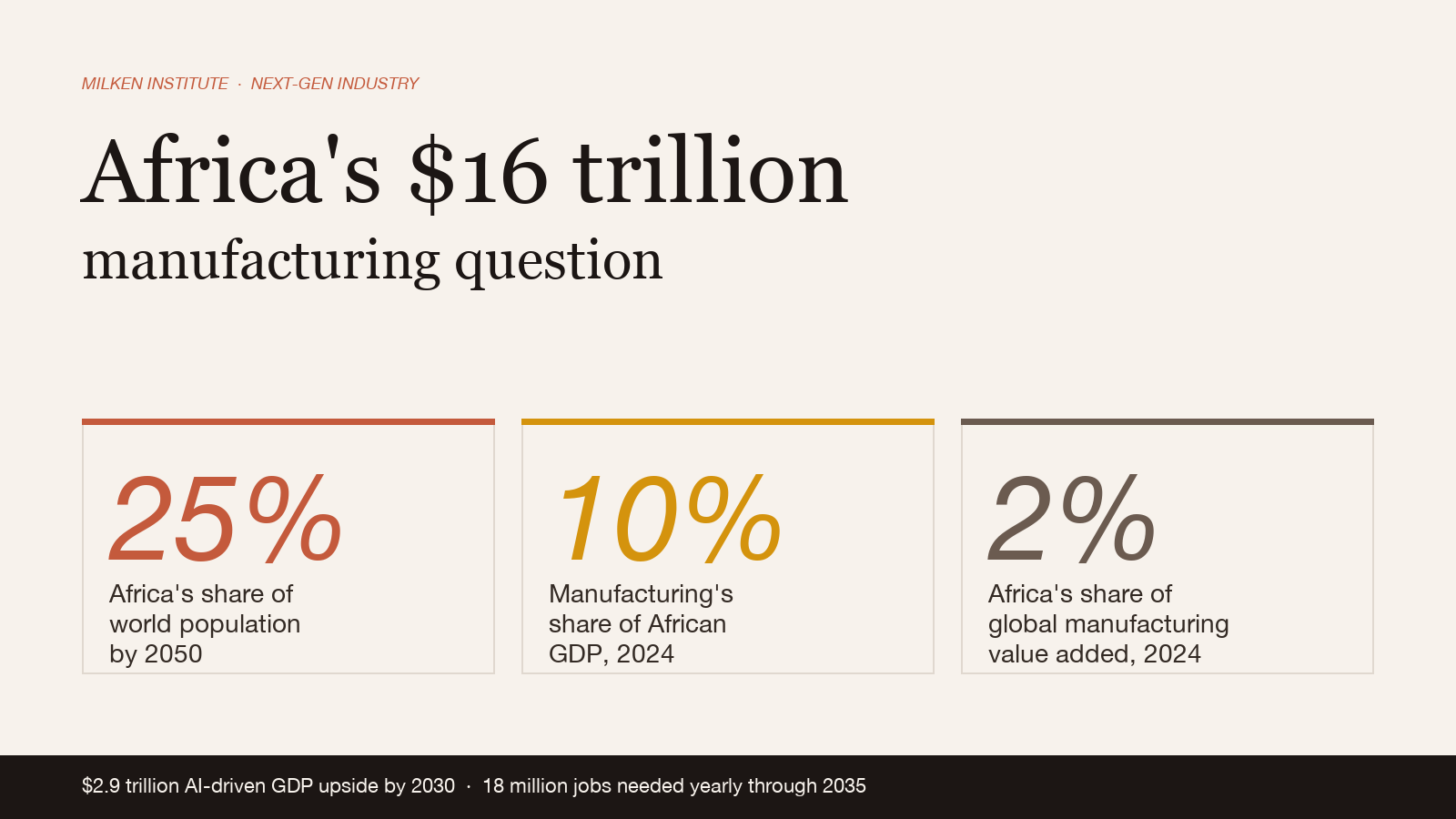
The push parallels other continental digital-scale efforts. A Milken Institute report in April urged African manufacturers to scale AI deployment beyond pilots, and the recent expansion of the ACIX internet exchange in DRC reflects a similar push toward shared, interoperable infrastructure across borders.


Leave a Reply