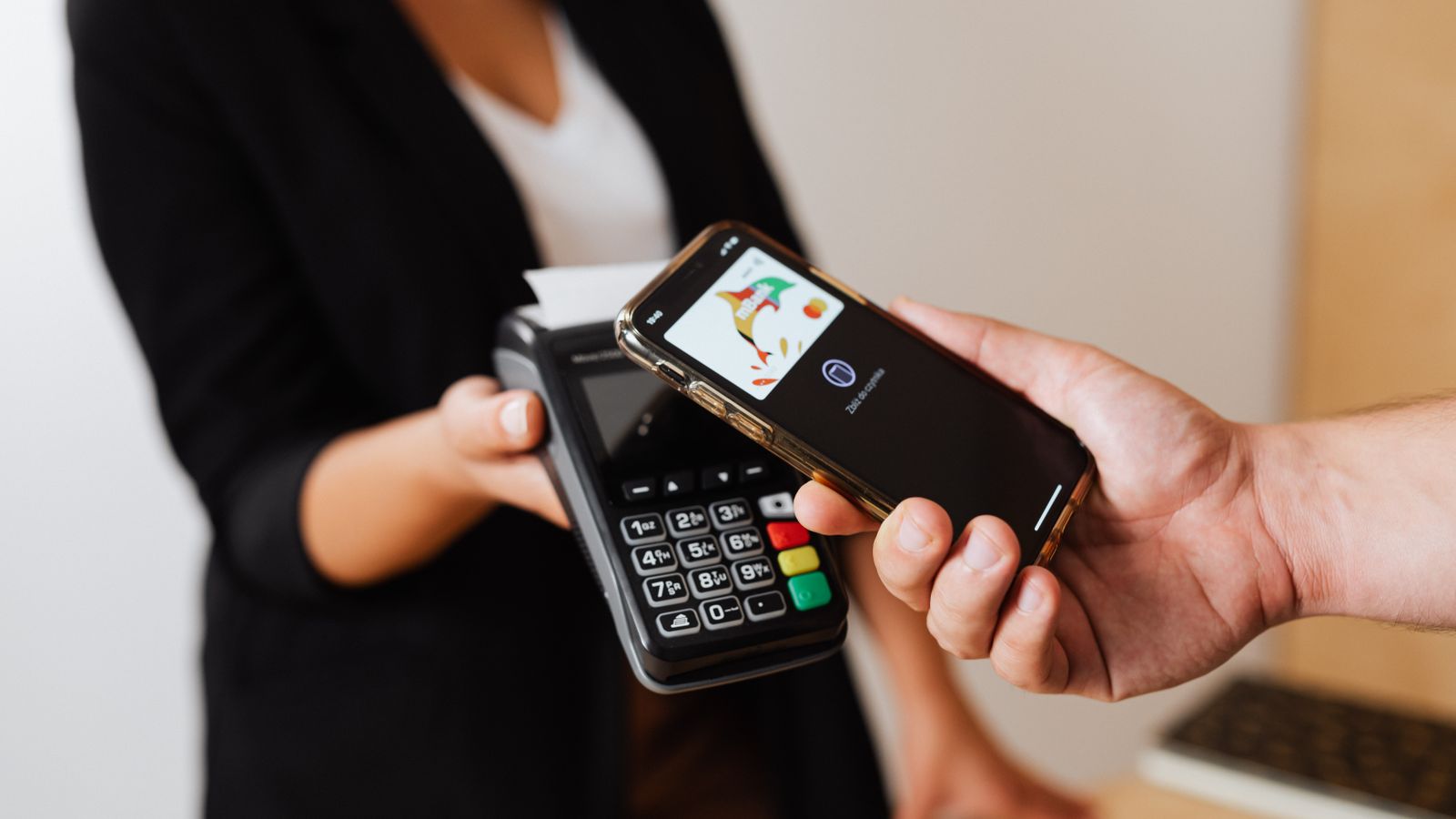
Grey is making it easier for its users in Ghana and Kenya to top up their accounts with local money, without routing cash through other apps first.
The Y Combinator-backed cross-border payments company said on 1 July 2026 that it had launched local-currency deposits in the two markets, letting users fund their Grey accounts directly in Ghanaian cedis and Kenyan shillings via bank transfer and mobile money.
Until now, customers who wanted to move money from local payment systems into Grey’s global services often had to rely on external transfers or intermediary platforms. The new option removes that step, funding the account in local currency in one place.
Built on mobile money
The move leans on two of the continent’s most active mobile-money markets. Ghana recorded more than GH¢3 trillion in mobile-money transactions in 2024, while about 90% of Kenya’s population uses mobile money for payments, savings and credit.
“Cross-border payments should not begin with friction,” said Idorenyin Obong, chief executive and co-founder of Grey. “Many users in Ghana and Kenya already rely on Grey to receive, hold and move money globally, but funding their accounts often requires additional steps outside our platform. With local-currency deposits, we are removing that barrier.”
A widening footprint
Grey says it has more than 3 million users across 50+ countries, with payouts to more than 170 destinations, multi-currency accounts in dollars, pounds, and euros, and virtual cards for international spending. It operates as a regulated money services business under FINTRAC in Canada and FinCEN in the United States, and has recently registered with Canada’s payments regulator.
The launch deepens a competitive push among diaspora-focused fintechs to own the on-ramp between local African currencies and the global economy, the same ground contested by rivals and by new licensees such as payments firms winning Ghanaian approvals. For Grey, owning the funding step is a way to keep users inside its ecosystem as their needs move from receiving money to managing it across borders.



Leave a Reply