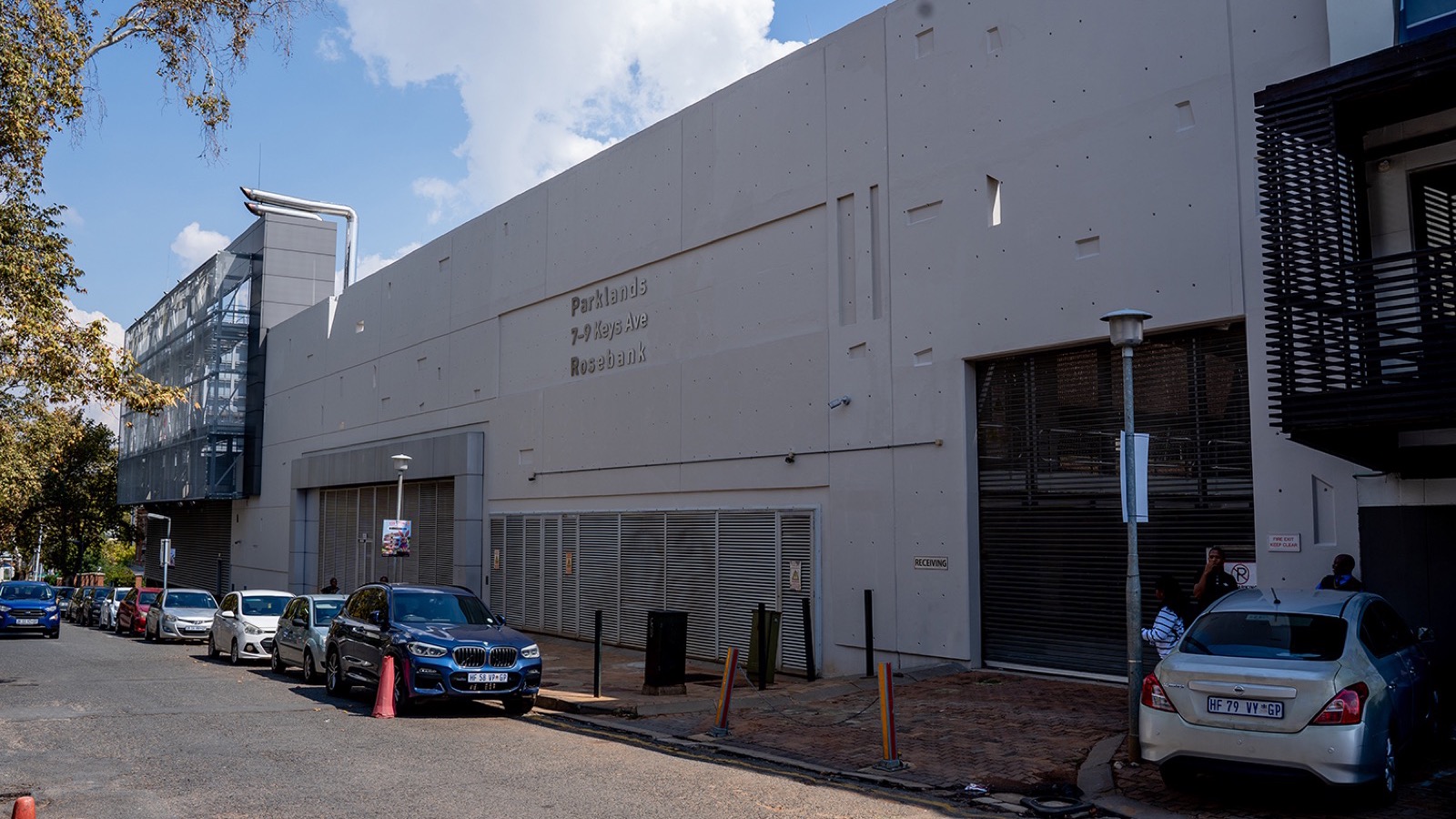
Open Access Data Centres (OADC) has standardised the power and cooling systems at its Parklands data centre in Johannesburg, South Africa, using Vertiv infrastructure, and has commissioned a new data hall to add capacity for hyperscaler and artificial-intelligence workloads.
OADC, part of the WIOCC Group, said the move lets it deploy capacity faster and support higher-density customer workloads without redesigning the facility each time demand shifts. The Parklands site was originally built by Vertiv as a prefabricated, modular, Tier III data centre for a pan-African telecommunications operator.
New hall for denser workloads
The facility’s IDC 8 hall uses a modular design, and the recently commissioned IDC 10 hall extends that architecture into a more traditional build while keeping the same equipment across the site. OADC said the halls now serve hyperscale and AI-driven customers, where power density, cooling efficiency, and deployment speed matter most.
The deployment uses Vertiv power protection, thermal management, containment and energy-storage systems designed to adapt to changing load profiles and improve energy efficiency.
Standardising on one vendor
“OADC made an executive decision to standardise on Vertiv infrastructure solutions,” said Marc Matthews, engineering director and head of projects at OADC. “The technology is tried and tested, and the local Vertiv team has played a critical role in supporting our strategy.”
Gary Chomse, regional director for Central and Southern Africa at Vertiv, said the Parklands project reflected a wider shift in African data-centre design towards flexibility and efficiency. The standardisation follows other Vertiv deployments on the continent, including chilled-water cooling at the inwi data centre in Rabat, Morocco.
Demand for data-centre capacity is climbing across Africa as operators race to host cloud and AI services closer to users, a build-out that is straining electricity supplies in markets such as Nigeria.



Leave a Reply