The same AI boom filling data centres is about to make everyday IT more expensive, and African businesses running on ageing hardware will feel it first.
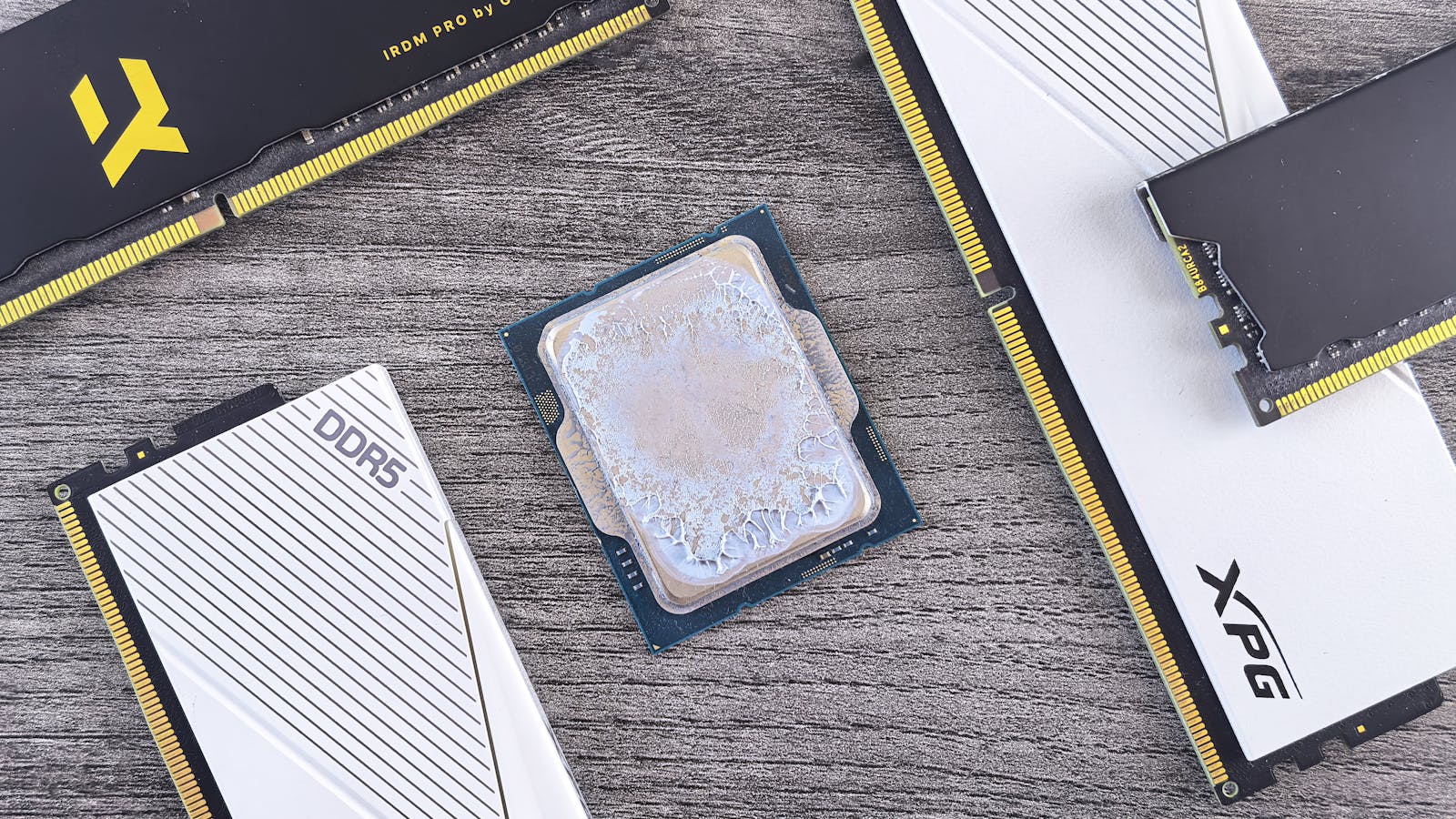
Memory prices are set to climb sharply as manufacturers divert capacity to AI infrastructure. The research firm Gartner forecasts DRAM prices rising by 125% and NAND flash prices by 234%, feeding broad increases in IT hardware costs. For African organisations already stretched by supply-chain delays and tight budgets, that adds pressure to decisions about when to replace ageing equipment, says refurbished-technology provider Qrent.
Stretched refresh cycles
Rising costs and unstable supply are pushing companies to delay projects and extend the life of existing hardware, with procurement increasingly driven by price rather than need, Qrent says.
“Businesses are facing a growing imbalance between operational demand and available budget,” said Kwirirai Rukowo, managing executive for the Middle East and Africa at Qrent. “Projects are being delayed, refresh cycles are being extended and procurement decisions are increasingly being driven by cost pressure rather than operational requirements.” He warned that stretching ageing infrastructure too far trades a short-term saving for long-term risk.
The refurbished pitch
Qrent’s answer is refurbished enterprise hardware, which it says is less exposed to manufacturing delays, semiconductor allocation and shipping constraints than new equipment, and cheaper upfront. The company also rents refurbished devices as a bridge when new hardware lead times stretch out.
“Most organisations do not require the latest hardware specifications to maintain productivity,” Rukowo said. “What matters most is having reliable technology available when the business needs it.”
Qrent has a direct interest in that shift: refurbishing, renting and reselling used IT equipment is its business.
Why it matters
Across much of Africa, IT hardware is an imported, hard-currency cost, so global price rises bite harder where local currencies are weak and capital budgets are thin. A memory-price surge driven by AI demand abroad lands as a continuity problem for businesses at home.
The price forecasts are Gartner’s, and the refurbished-as-a-solution framing is Qrent’s. Either way, the era of cheap memory that underpinned the cloud looks to be pausing, and African IT buyers will feel the squeeze.




Leave a Reply