Artificial intelligence will not level African education on its own. It will magnify whatever system it lands in, and the constraint is not what schools teach but whether they can deliver it at all.
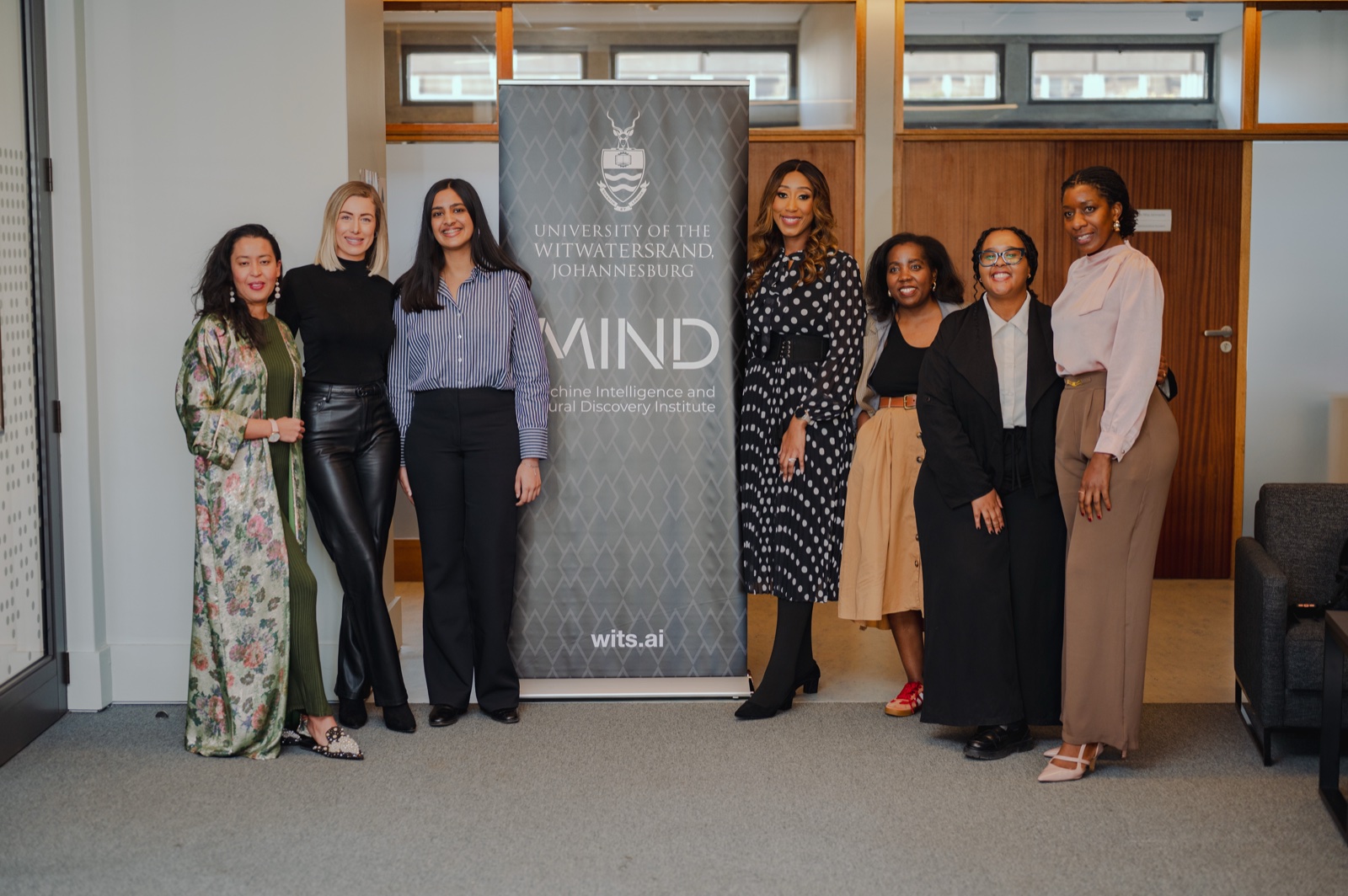
That was the argument put by Kume Luvhani, co-founder and executive director of Vaxowave, at a roundtable held at the University of the Witwatersrand in Johannesburg, South Africa, on 5 August 2026. The session, hosted by AI ethics organisation AITHOS in partnership with the Wits Machine Intelligence and Neural Discovery Institute, brought educators, researchers and industry practitioners together to discuss AI in African classrooms.
AI will not equalize African education by default. It will amplify the system it enters. Our task at large is to design it so that it scales opportunity rather than inequality.
Kume Luvhani, co-founder and executive director, Vaxowave
Access is not the same as a licence
Luvhani’s sharper point was about what access actually means. Meaningful access, he argued, includes infrastructure, affordability, capability, safety and ongoing support, and without those layers, AI risks “making the education gap more intelligent”.
He was blunt about where African education systems break. “The curriculum has never been our bottleneck. Delivery is,” he said. “We write world-class policy and then discover there’s no lab, no bandwidth, and no trained teacher.”
That is a connectivity and capital problem before it is a pedagogy problem, and it puts AI in education on the same footing as every other digital-inclusion question on the continent: the model is rarely the hard part.
Governance, and who is in the room
The roundtable was held ahead of South Africa’s National Women’s Day and focused on the role women are playing in AI governance. It was hosted by Aashna Jain, the 17-year-old founder and chief executive of AITHOS, who argued that the people who will live longest with today’s decisions are largely absent from them.
Young people will live with the consequences of the decisions being made about AI today, which is why they must be part of the conversation.
Aashna Jain, founder and chief executive, AITHOS
Lourita Meredith, regional sales director for Africa at DemandAI, made the practitioner’s case that technology alone settles nothing, and that outcomes depend on equipping educators rather than deploying tools.
Participants worked through four themes: AI in classrooms and future skills, access against inequality, student readiness and employability, and the governance frameworks needed for responsible adoption. It follows a continental push on the policy side, where five governments recently backed ATLAS Umoja AI to build AI that works in African languages.




Leave a Reply