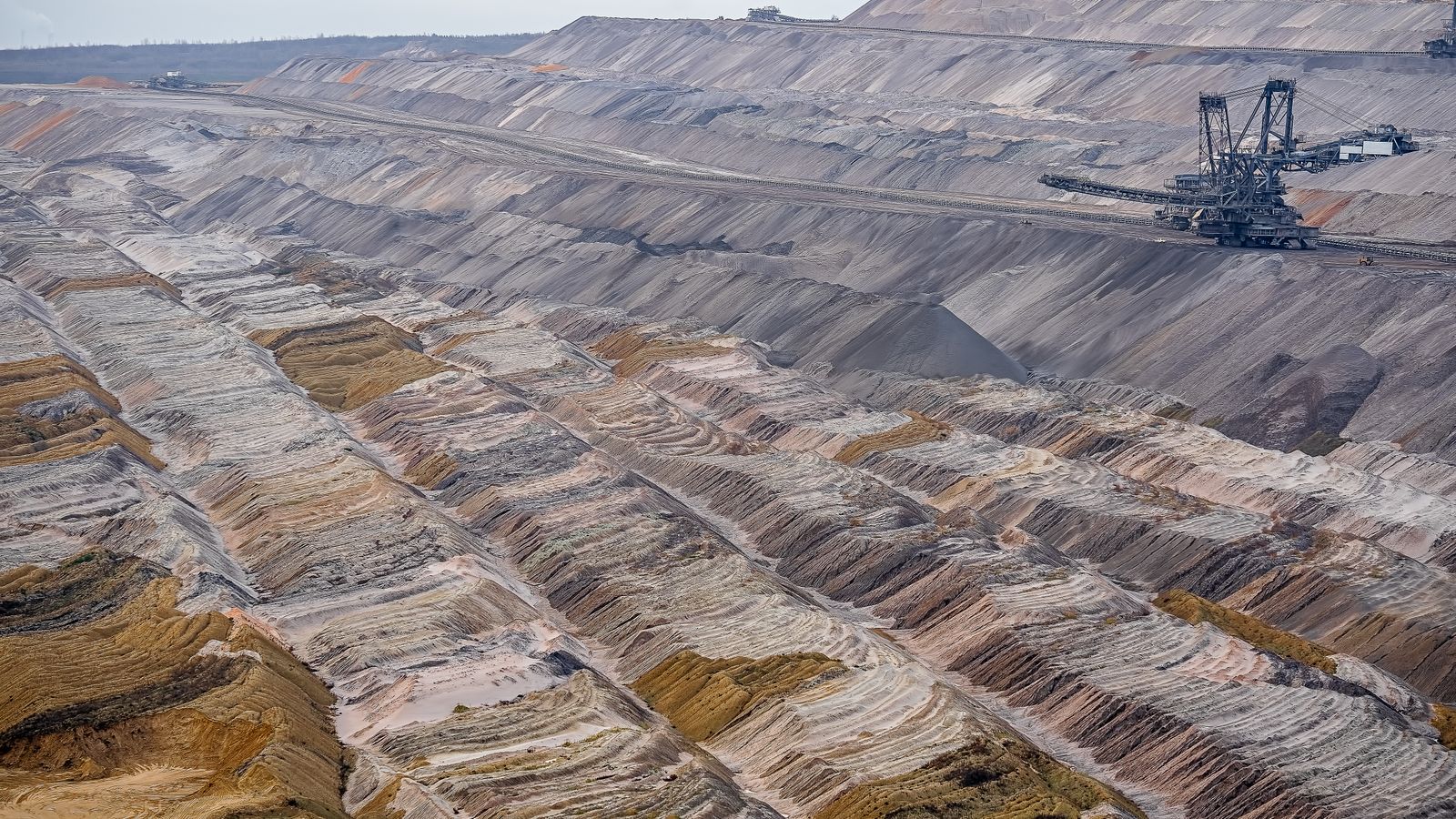
Artificial intelligence is already changing how South Africa’s mines are run, but the executives using it are notably unromantic about what it can do. That is the through-line of a new study from PwC and the Minerals Council of South Africa, the third edition of their Fourth Industrial Revolution in Mining research, published on 23 July 2026.
The study is built from structured, anonymised interviews with mining chief executives and focus groups with line managers, drawn from operations of varying size. Its framing matters: it captures what leaders believe is possible and necessary, not a measurement of how technically advanced their mines actually are. The data came from people, not systems.
Where AI is already working
The chief executives pointed to concrete, unglamorous uses rather than moonshots. Predictive maintenance to cut unplanned downtime, real-time monitoring of underground conditions to improve safety, faster geological analysis, and optimisation of energy use and production came up repeatedly. Work that once took weeks or months, the study notes, can now be analysed in seconds, moving decisions faster from the rock face to the boardroom.
The context explains the urgency. South African mines are going deeper, running on ageing infrastructure and facing skills shortages, while under pressure to improve safety, sustainability and productivity at once. AI is attractive precisely because it promises gains on several of those fronts together.
Technology is the easy part
The study’s central argument is that the tools are not the differentiator. “AI is not a software problem; it’s a leadership and capability challenge,” said Ian Mackay, Associate Director for Mining Transformation at PwC South Africa. “Without the right skills, strong data foundations and effective change management, even the most advanced tools will struggle to deliver value.”
That points at an uncomfortable prerequisite. Mining generates millions of data points a day, yet much of it goes unused, scattered across systems with inconsistent definitions and weak governance. AI trained on that estate inherits its flaws. The programmes that move beyond pilots, the study found, are the ones where executives set direction, align digital work with business priorities and invest in people first. It is the same lesson emerging in African banking, where legacy systems and weak data foundations, not the models, are the binding constraint.
Why it matters
Mining is one of South Africa’s foundational industries, and a human-centred theme runs through the findings: leaders insist the technology must support workers in hazardous environments, not displace them, with AI-driven insight and virtual-reality training helping employees work more safely. It is a more measured account of enterprise AI than most, and it echoes what PwC has found elsewhere in African business, where firms run plenty of AI pilots but struggle to scale them.
The conclusion is deliberately undramatic. AI is not a silver bullet and will not fix mining’s challenges overnight; progress comes to those who adopt it incrementally, target high-value uses and invest equally in technology and the people meant to use it. For an industry often sold sweeping transformation, that restraint may be the most useful finding of all.


Leave a Reply