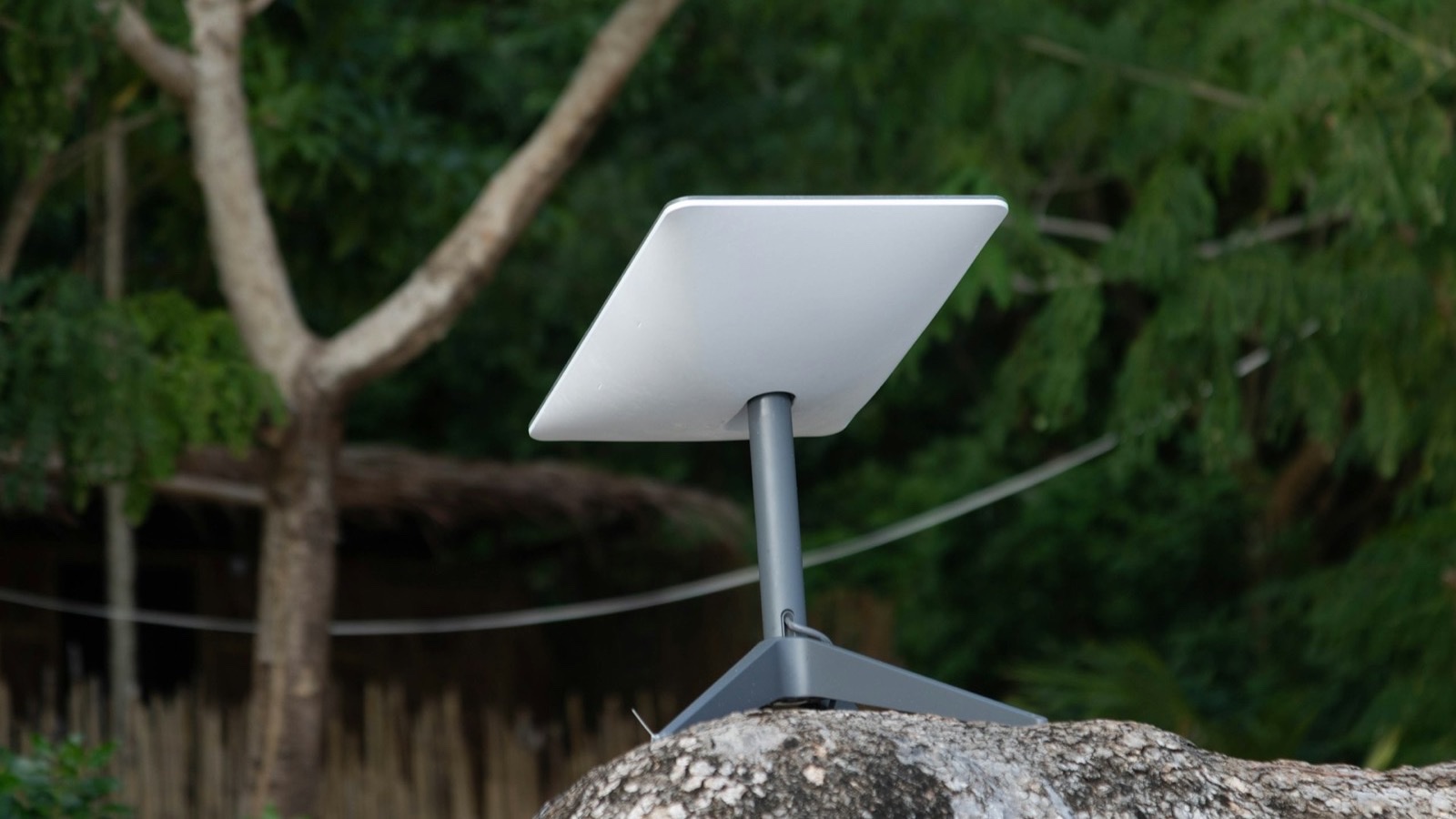
The rules that govern how a satellite operator gets licensed to serve South Africa are up for public hearings this month.
The Independent Communications Authority of South Africa (ICASA) will hear oral representations on 19 and 20 August 2026 on its draft amendments to the Radio Frequency Spectrum Regulations and the accompanying fees regulations. The sessions run from 09:00 SAST at the regulator’s auditorium in Centurion, in a hybrid format.
What is actually being decided
The amendments, published in Government Gazette 54677 on 15 May 2026, are narrower than a licensing overhaul but sit underneath one. They cover:
- a registration regime for satellite space segment operators, the constellation owners themselves, rather than the local reseller
- revised spectrum fee formulas
- blanket licensing for satellite terminal networks, authorising a fleet of user terminals under one authorisation instead of terminal-by-terminal
- Rules for Earth Stations in Motion, the steerable antennas fitted to vessels, aircraft and vehicles,
- protection of radio astronomy facilities from interference
Blanket licensing is the provision with the most immediate commercial weight. A constellation operator selling thousands of consumer dishes cannot realistically license each one, so how that authorisation is framed determines whether a mass-market satellite service is administratively viable at all.
The radio astronomy clause matters for a different reason. South Africa hosts the MeerKAT array and part of the Square Kilometre Array, instruments whose sensitivity depends on quiet spectrum, and satellite downlinks are a growing source of interference.
Where this sits in a longer queue
ICASA opened these rules for comment in May, six months after concluding its satellite licensing inquiry. Written representations closed on 29 June, and this month’s hearings are the next stage of the same process rather than a new one.
It also runs alongside the regulator’s wider spectrum work. ICASA set out a mobile spectrum roadmap to 2030 earlier this month, and separately flagged that the B-BBEE ownership requirement blocking some foreign operators needs legislative change, not merely a regulatory one. The technical rules being heard this month can be settled by ICASA; the ownership question cannot.
The hearing notice and draft amendments are published on ICASA’s website.

Leave a Reply