Transaction volumes on the Pan-African Payment and Settlement System rose by about 1,000% year on year while transaction values rose by about 120%, PAPSS said on 11 September 2026. Put together, those 2 figures say something the announcement does not: the average payment across the network shrank by roughly 80%.
Chief executive Mike Ogbalu III gave the numbers at a media briefing in Lagos, Nigeria. PAPSS is a platform of Afreximbank, the African Export-Import Bank, which distributed the figures on its behalf.
A 1,000% rise means roughly 11 times as many payments; a 120% rise means roughly 2.2 times the value. Divide one by the other and the typical PAPSS payment is now about a fifth of the size it was.
Nigeria, which PAPSS singles out as a significant contributor, shows the same pattern, slightly sharper: volumes up about 1,100% and values up about 125%, an average payment roughly 81% smaller.
Why smaller payments are the good news
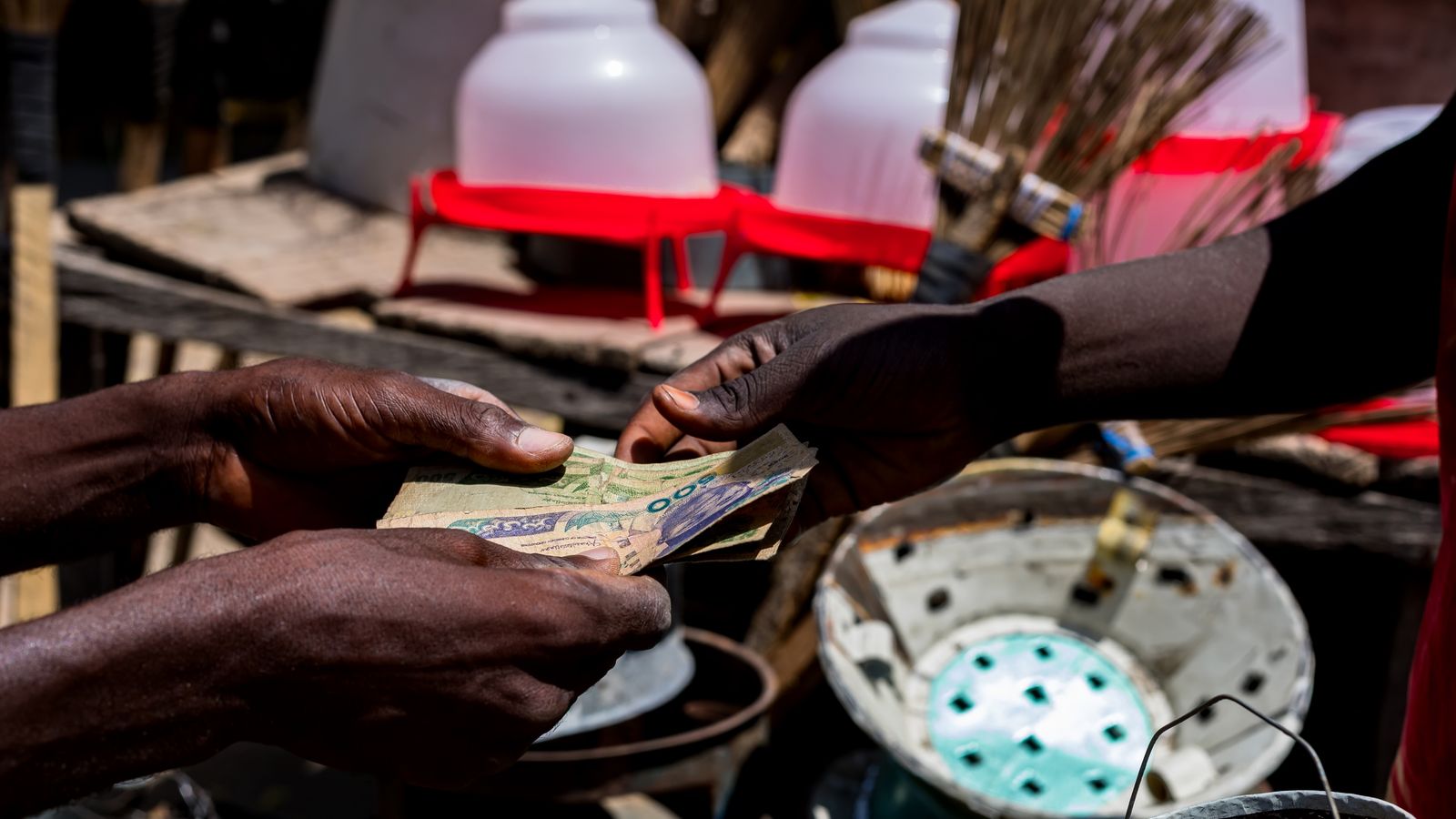
A settlement system that moves a few very large sums between central banks is plumbing. One that moves many small sums is infrastructure people actually use. A collapsing average transaction size, on rising totals, is what the shift from the first to the second looks like in the numbers.
That reading fits what PAPSS says it will do next. From 2027, the stated focus moves from building the network to “activating” it, through banks, fintechs and switches, and into “the channels businesses and individuals use every day”.
The network, and how it has moved since July
PAPSS now operates in more than 30 African countries across all 5 regions, connecting 24 national and regional central banks, more than 200 commercial banks and payment service providers, and 16 switches. Partnerships extend a termination footprint to more than 300 financial institutions. About 10 countries joined during 2026.
When we reported the Bank of Central African States joining in July, the figures were 28 countries, more than 190 commercial banks and fintechs, 16 switches and a 250-institution termination reach. So in the 2 months since, they’ve added a couple of countries, about 10 banks, and 50 reachable institutions, with the switch count unchanged.
That is steady rather than dramatic, which is worth saying plainly given the headline percentages.
What the percentages do not say
No absolute figures were given for either volumes or values, and “comparable periods” is not defined. A 1,000% increase is arithmetically the same whether the base was 10 payments or 10 million, and without the base neither the growth nor the shrinking average can be checked.
PAPSS also claims cost savings of 92% to 95% per transaction, a 99.99% reduction in processing time and up to 80% lower foreign-exchange requirements. Those are PAPSS’s own figures against an unstated comparator, and we have not verified them.
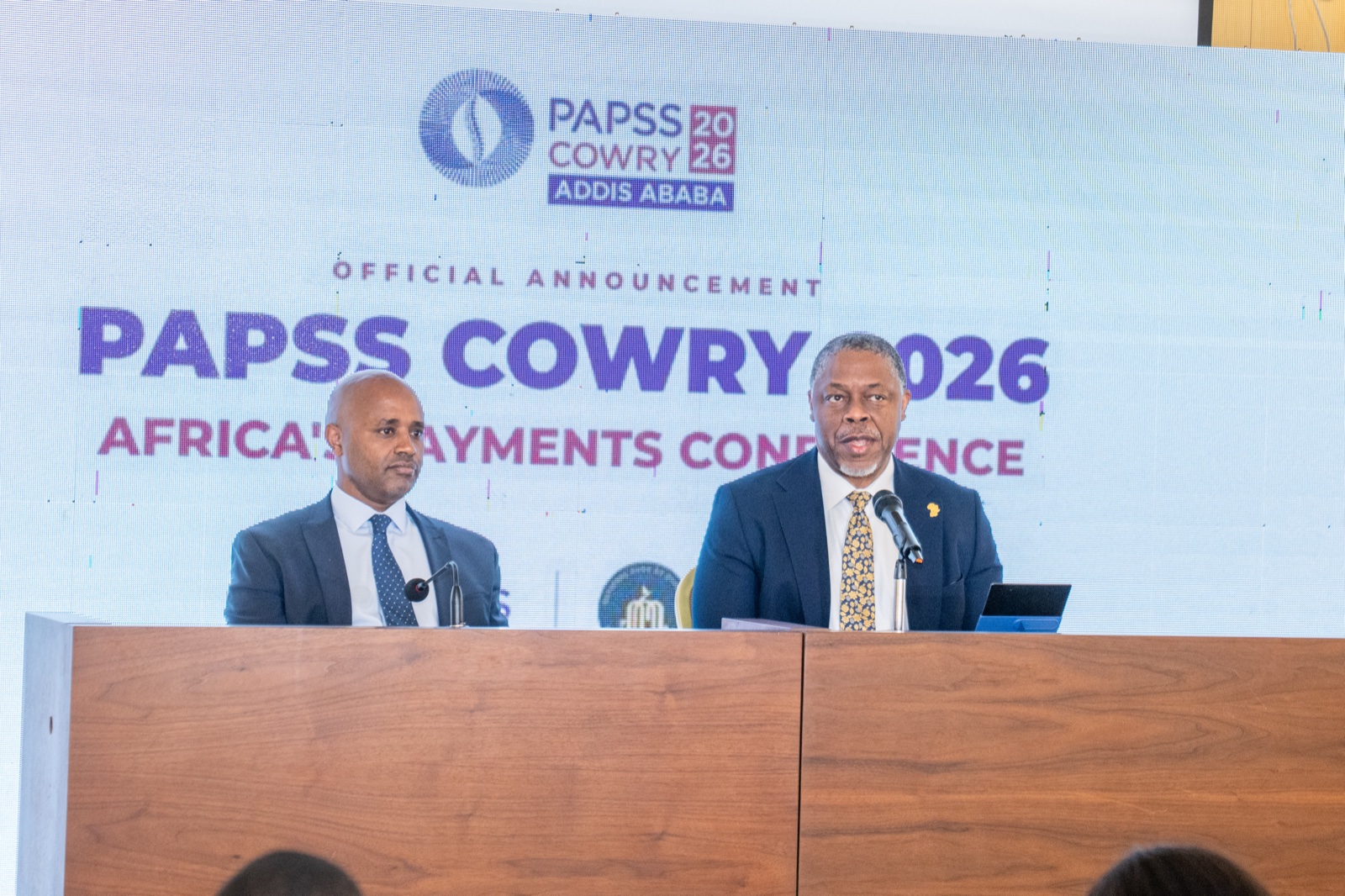
The platform runs 3 products: the PAPSS Instant Payment System, the African Currency Marketplace and PAPSSCARD. Further solutions are in pilot, with announcements promised later this year. The next phase is due to be set out at the PAPSS COWRY conference in Addis Ababa, Ethiopia, on 26 and 27 November 2026, co-hosted with the National Bank of Ethiopia.
The number worth watching is not the growth rate. It is whether the average payment keeps falling, because that measures whether a system built for central banks is reaching the businesses the continent’s payment rails have mostly not served.


Leave a Reply