A new community-run cache and compute cluster has gone live at Teraco’s CT2 data centre in Cape Town, South Africa, as part of a push to keep more of the country’s internet traffic on local soil.
The deployment, announced on 28 May 2026, pairs NAPAfrica, the continent’s largest internet exchange point (IXP, a shared fabric where networks swap traffic directly), with the South African Network Operators Group (ZANOG), a community of network engineers focused on local internet resilience.
What went live
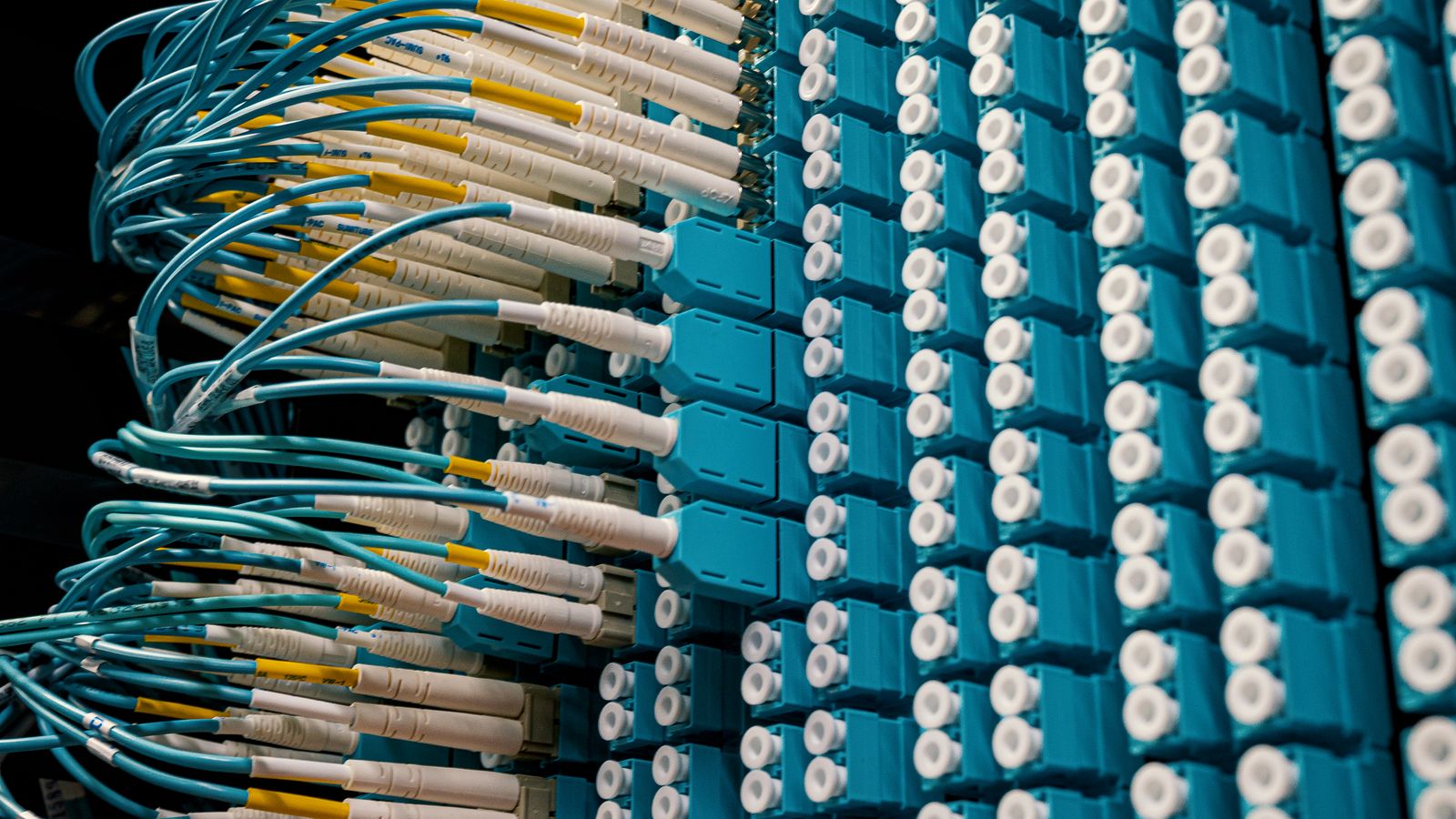
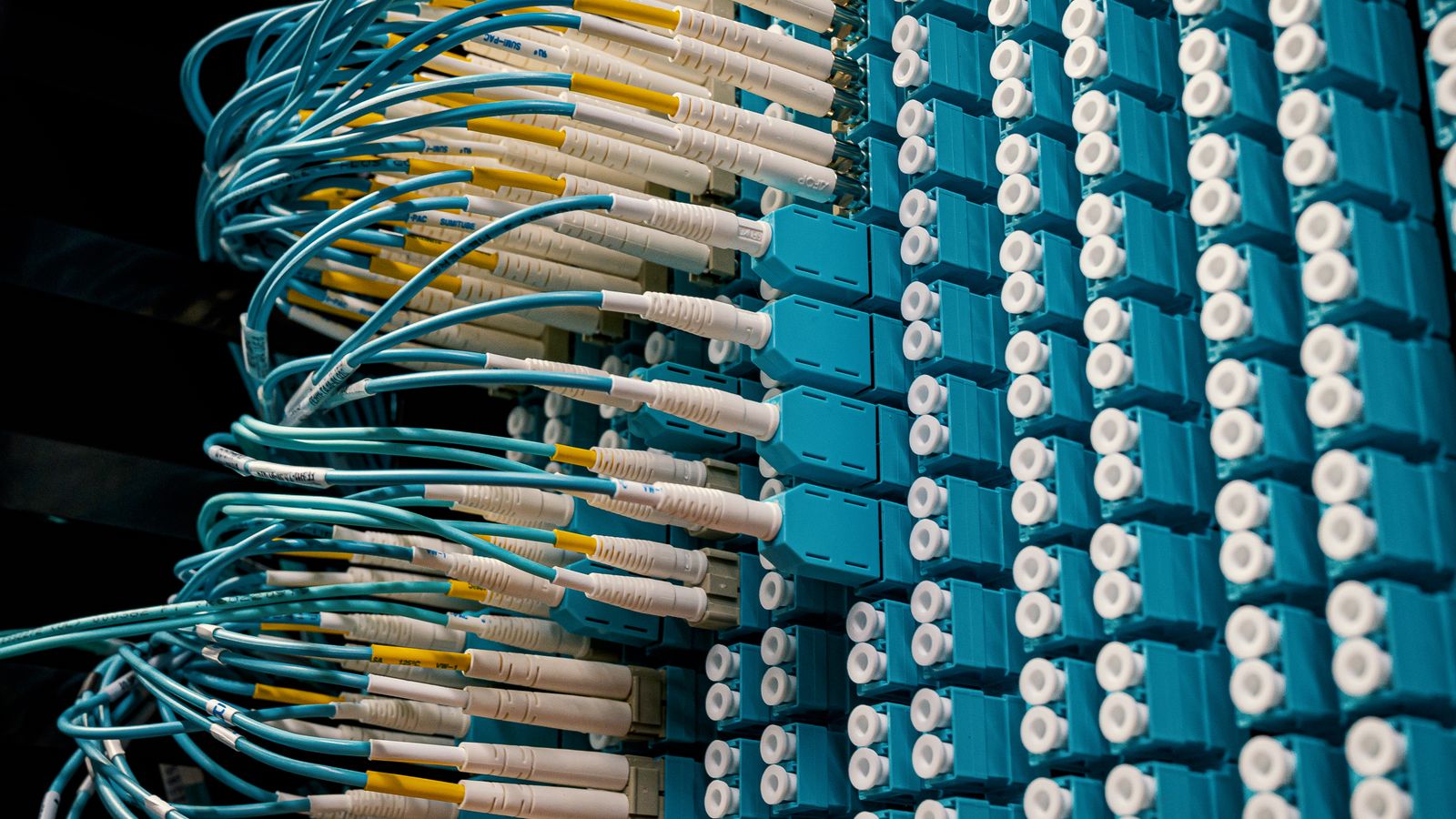
The cluster is located within Teraco’s CT2 facility and connects to both NAPAfrica and the recently expanded Cape Town Internet Exchange (CINX). It hosts a major global content cache, open-source software mirrors and shared community services, housed in a “good of the internet” cabinet with cross-connects to cache-fill partners.
Caching stores popular content close to the people requesting it, so a video stream or software update is served from within Cape Town rather than hauled across an ocean.
Why local matters
Keeping traffic local reduces reliance on long-distance transit, lowering latency and costs and adding redundancy if an undersea route falters. NAPAfrica now counts 680 members from more than 50 countries and has passed 6 Tbps of peak traffic in November 2025.
For local internet service providers and their customers, more on-net content means faster load times for streaming, gaming and large downloads, and less money spent on international bandwidth.
The build extends a run of Cape Town interconnection growth, following CINX’s expansion to a fourth location at Teraco and the recent 400 Gbps peering milestone at Johannesburg’s JINX.
A model that began in Durban
“This marks the latest evolution of a model first introduced by ZANOG in Durban in 2018, where local caching initiatives were established to bring content closer to users historically underserved by major content deployments,” said Donald Jolley of ZANOG. “Following its success, the model was extended to Cape Town, with Teraco’s CT2 data centre representing the third major installation.”
Andrew Owens, Teraco’s interconnection and peering lead, framed it as a collective effort. “This is ultimately about community and collaboration,” he said. “While the infrastructure is important, the real goal is to build a stronger, more resilient internet that prioritises redundancy, diversity of routes, and local access to content.”
For Cape Town, the cluster reinforces a position the city has been steadily building as one of Africa’s busier interconnection hubs, where the volume of locally exchanged traffic keeps climbing.

Leave a Reply