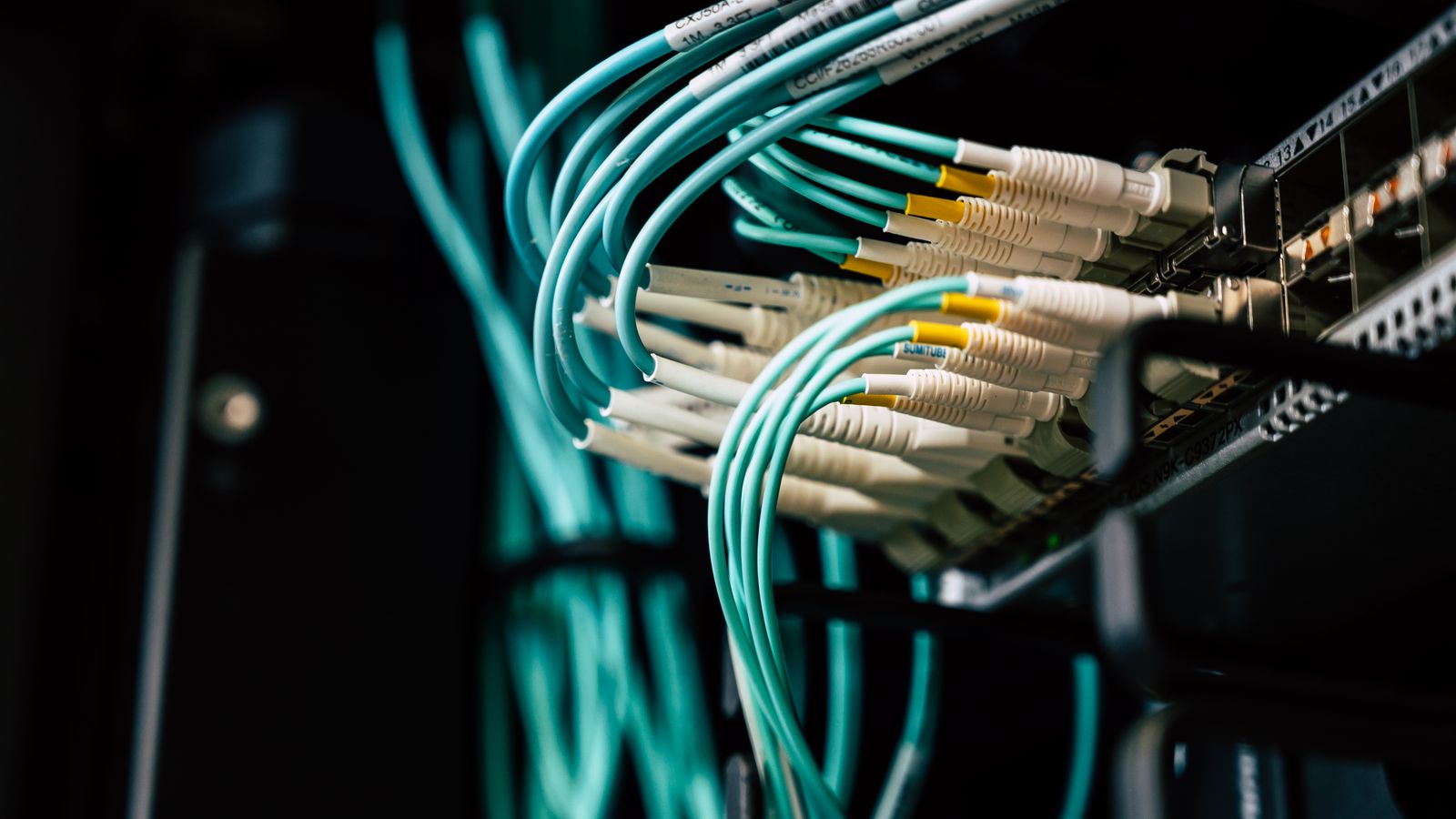
Kinshasa’s oldest internet exchange has installed equipment in a second data centre, and, in doing so, has quietly become a two-site exchange in a city that had none a decade ago.
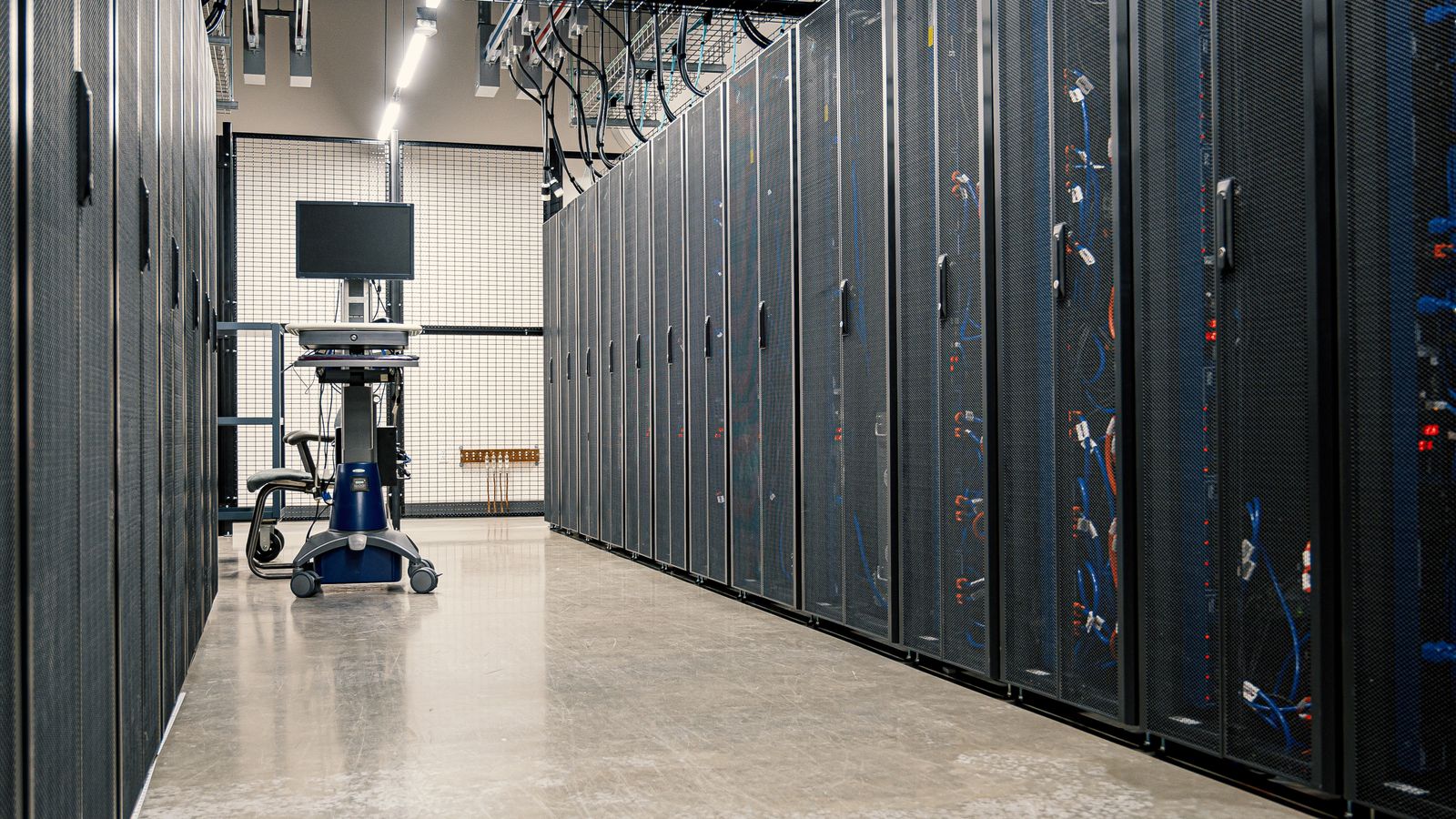
KINIX, the Kinshasa Internet Exchange, said on 20 August 2026 that it has moved its exchange infrastructure into Raxio DRC, the carrier-neutral operator’s Kinshasa facility. Public peering records list the exchange as present in both Raxio DRC1 and OADC FIH1, so the practical result is an exchange spanning two buildings rather than one that has simply changed address.
That distinction matters. A single-site exchange is only ever as available as the building around it.
Who actually peers there
KINIX carries 23 participating networks across 25 connections, on peering prefixes 196.223.28.0/24 and 2001:43f8:3c0::/64. The membership is more complete than the raw count suggests: all four of the country’s major mobile operators are present, with Vodacom Congo, Orange RDC, Airtel’s Celtel DRC and Africell RDC all connected.
Alongside them sit the content and infrastructure networks that make an exchange worth joining in the first place. Meta and Cloudflare both peer at KINIX, as do AfriNIC’s DNS infrastructure and Packet Clearing House. For an ordinary subscriber in Kinshasa, those are the connections that decide whether a social feed or a website loads from inside the country or from Europe.
KINIX says it currently exchanges more than 1 terabit per second of capacity and expects to pass 2 Tbps following the Raxio deployment.
A community exchange, 14 years on
KINIX was founded in 2012 and is operated by the Internet Service Provider Association of the DRC (ISPA-DRC) under the RDC-IX project, which runs three community and neutral exchange points nationally. Its purpose is the same as that of every Internet Exchange Point (IXP): to let networks hand traffic to each other directly instead of paying to send it abroad and back.
In a country the size of the DRC, with comparatively thin international capacity, every domestic conversation that detours through Europe is paid for twice, once in transit fees and once in latency.
Raxio DRC holds Tier III certification from the Uptime Institute, which requires redundant power and cooling paths, enabling the building to be maintained without taking equipment offline. For an exchange, that is the difference between scheduled maintenance and a national outage.
“The relocation will strengthen KINIX’s reliability and resilience,” said Nico Tshintu, operations director at KINIX, adding that it positions the exchange to “become a regional Internet eXchange in Central Africa”.
The regional claim has some evidence behind it
Regional ambition is a standard line in exchange announcements and usually arrives without support. In this case, there is some. Networks registered outside the DRC already peer at KINIX, including GVA in Côte d’Ivoire, Paratus, and AFR-IX Telecom, marking the beginning of cross-border membership that separates a regional exchange from a national one.
KINIX is also not the only exchange expanding in the capital. In May 2026, ACIX became the DRC’s first distributed internet exchange, spreading across multiple Kinshasa sites. Exchange points in Goma and Lubumbashi serve the east and south. Two exchanges competing for members in one city can mature a market or split it, depending on whether the larger networks join both.
Raxio keeps becoming an interconnection point
The deployment fits a pattern across Raxio’s portfolio, which spans Angola, Côte d’Ivoire, Ethiopia, Mozambique, Tanzania, Uganda and the DRC. Those buildings have been accumulating networks rather than simply tenants: in July 2026 AFR-IX lit up its network inside Raxio’s Angolan and Mozambican sites, and the group’s committed capital passed $380 million in the same month.
“Raxio DRC provides a world-class carrier-neutral environment,” said Yannick Sukakumu, general manager of Raxio DRC, describing the facility as support for “innovation, investment, digital growth and market access”.
Whether KINIX becomes the Central African exchange it is aiming at depends on something no data centre can supply: networks in Brazzaville, Luanda and Kigali deciding it is worth hauling traffic to Kinshasa to peer. The capacity headroom is now there. The members are the harder part.


Leave a Reply