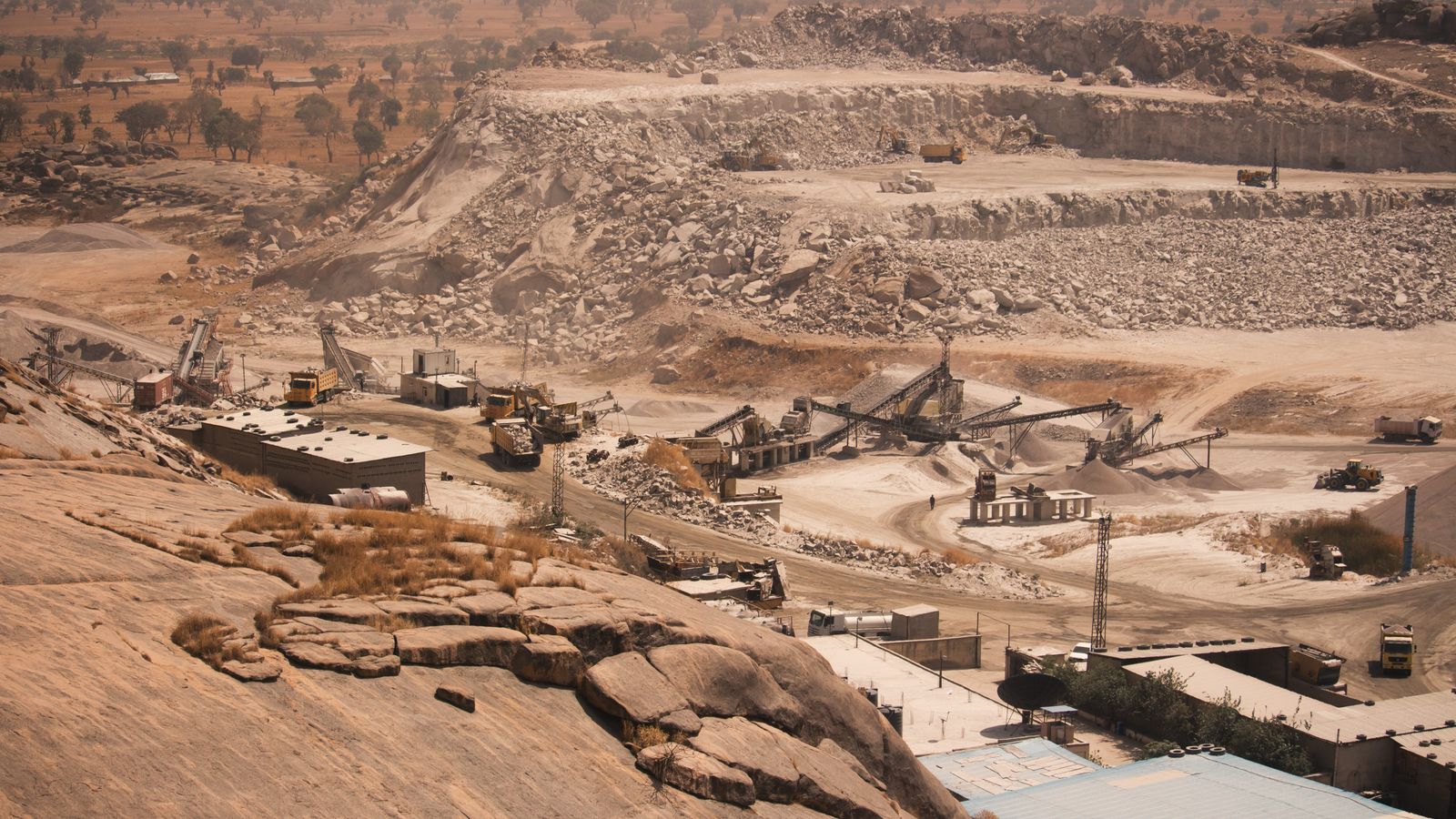
Artificial intelligence is starting to reshape how minerals are found in Africa. KoBold Metals, a California-based exploration company that uses AI to hunt for ore, is backing some of the continent’s biggest new mining bets, from copper in Zambia to lithium in the Democratic Republic of Congo (DRC).
KoBold’s approach uses machine learning to sift through geological and exploration data, which it says can cut the time and cost of finding deposits, particularly copper, lithium, cobalt, and other minerals central to the energy transition. The company’s Africa chief executive, Mfikeyi Makayi, is due to set out the strategy at African Mining Week in Cape Town, South Africa in October.
A $2.3bn copper mine in Zambia
In Zambia, KoBold is developing the Mingomba copper mine, a $2.3 billion project it says has progressed from discovery to development in about 5 years, fast by mining standards. The mine feeds Zambia’s goal of lifting copper output to 3 million tonnes a year by 2031.
Lithium in DRC, data in Burundi
In the DRC, the company plans to invest more than $1 billion in the Manono lithium project, one of the world’s largest hard-rock lithium deposits, and has opened an office in Lubumbashi. Lithium is a key input for electric-vehicle batteries.
In Burundi, KoBold is working with the government to digitise geological records and apply AI to explore for nickel, copper, cobalt, platinum-group metals and scandium, part of a push to make the country’s mineral data more accessible to investors.
Why it matters
Africa holds much of the world’s reserves of the minerals needed for batteries and clean energy, but exploration has long been slow, costly and patchy. KoBold’s bet, shared by a wider wave of technology moving into African mines, is that AI can change that maths, finding more with fewer drill holes.
The figures are the company’s own, and turning AI-led exploration into producing mines still takes years and heavy capital. But the scale of the commitments, billions of dollars across three countries, signals that AI exploration in Africa is moving from pitch to practice. Makayi is expected to give an update at the October event.


Leave a Reply