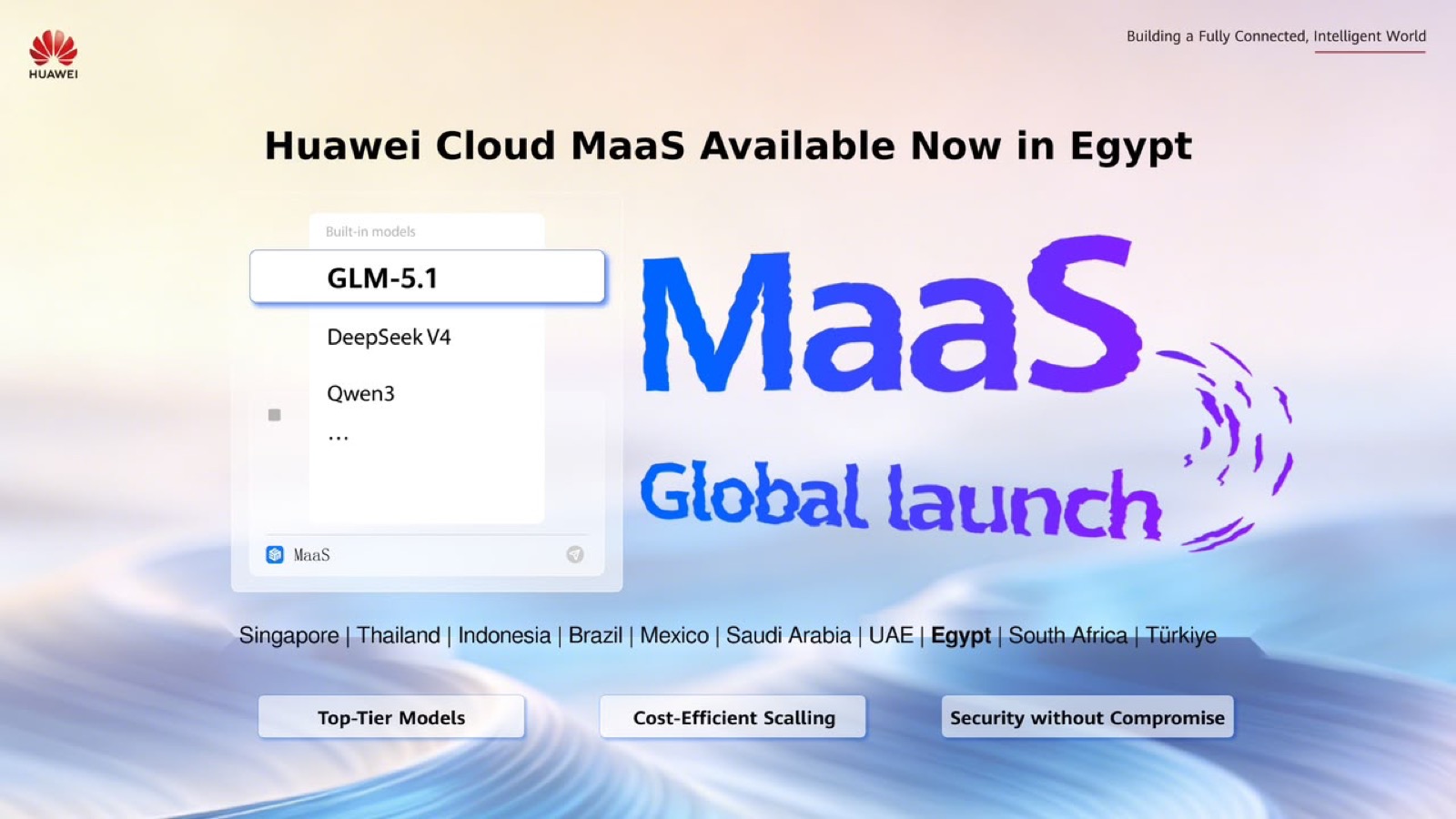
Huawei Cloud wants to put large language models in the hands of Egyptian businesses without requiring them to build the underlying infrastructure.
The Chinese cloud provider announced on 25 June 2026 the launch of its Model-as-a-Service (MaaS) offering in Egypt, a platform that lets companies access, customise and run large language models without setting up or managing the complex infrastructure those models usually require.
The pitch addresses a familiar gap. Interest in AI is high among enterprises, but many stall on the path from experiment to deployment, held back by infrastructure complexity, high development costs, and a shortage of specialist skills. MaaS packages the models as a service so customers can adapt them to their needs and focus on results rather than plumbing.
From pilot to production
Huawei Cloud said the platform covers the full journey, from testing and customising a model to deploying it at scale in live systems. It is aimed at sectors including financial services, telecoms, government, retail, logistics and customer service.
Typical uses pitched to those buyers include AI-powered customer service, virtual assistants, enterprise search, automated document processing, workflow automation and multilingual support, the last a notable feature in a market that works across Arabic and English.
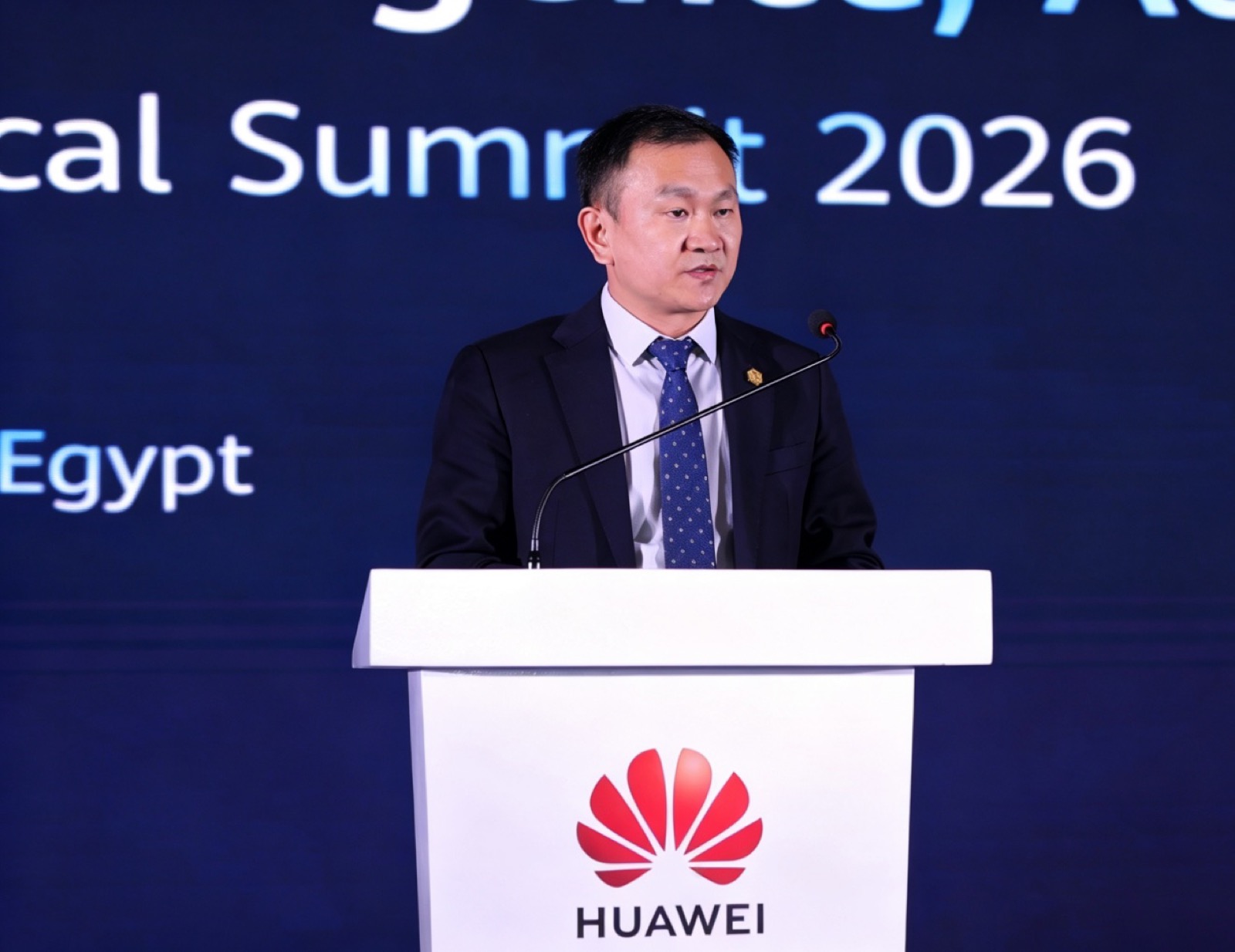
“We aim to empower organisations to turn AI capabilities into real business value, by providing a simpler and more structured way to explore, apply, and scale AI across different scenarios,” the chief executive of Huawei Cloud Egypt said in a statement, tying the launch to “the next stage of AI growth in the Egyptian market”.
Egypt’s AI push
The launch comes as Egypt pushes a national AI and digital-transformation agenda, and as global cloud providers compete to host the models that will run on it. Huawei has been building out its Egyptian footprint, including a recent move to partner local fintech Thndr on cloud and AI.
For Egyptian enterprises, the question is less whether to adopt AI than how to do it without heavy upfront investment, the same tension that runs through the continent’s wider debate over cloud and data sovereignty. A managed model service lowers that barrier while deepening the customer’s reliance on the provider hosting it.



Leave a Reply