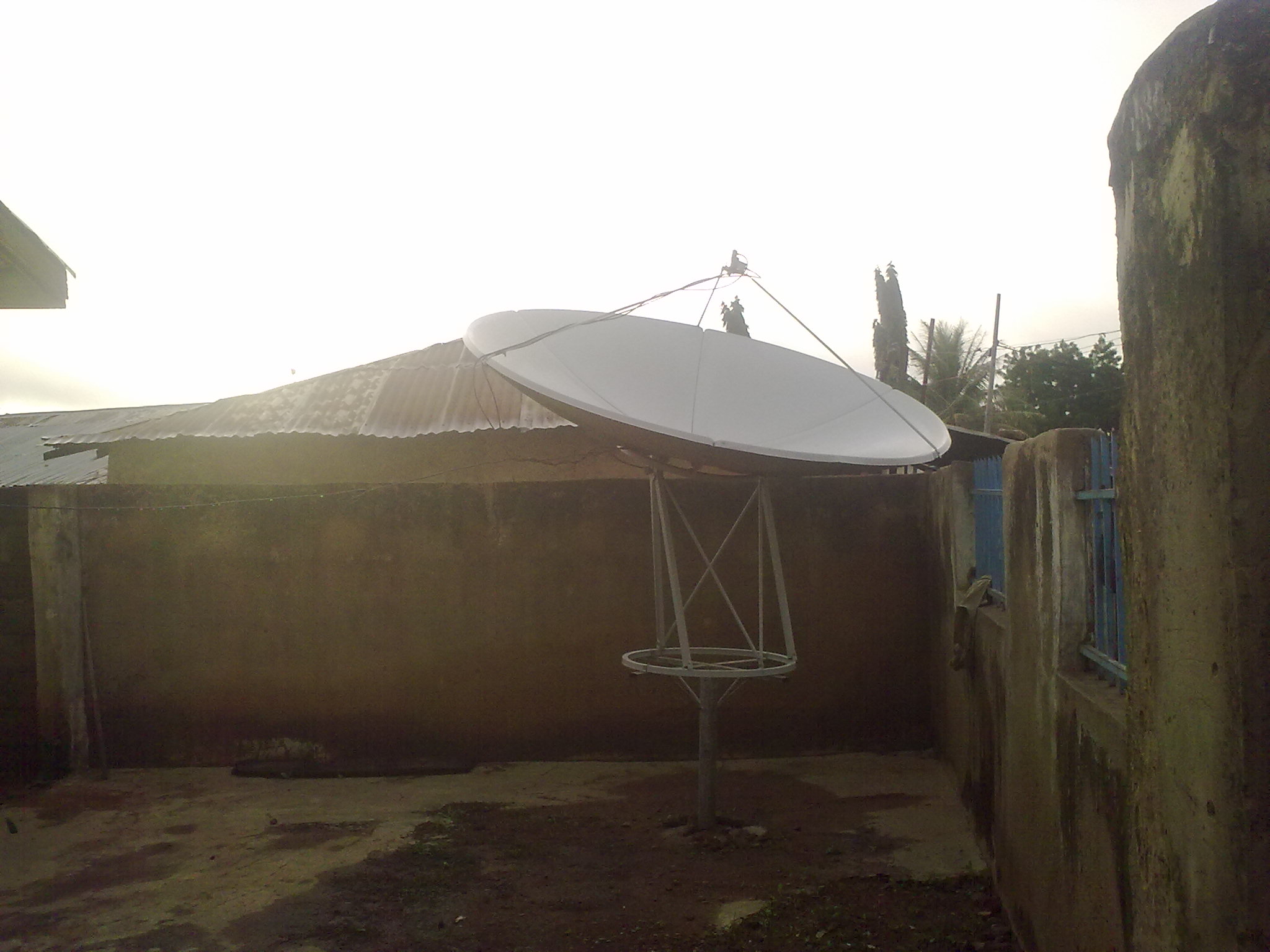
Nilesat 201 is an Egyptian direct-to-home satellite located at 7.0° West that broadcasts hundreds of free-to-air TV and radio channels. Launched in 2010, it carries 24 Ku-band transponders serving North Africa and the Middle East, with partial coverage reaching East Africa and parts of West Africa.
Nilesat 301, launched by SpaceX in June 2022, is co-located at the same 7.0° West orbital position. Eutelsat 7 West A also shares this slot. When you point your dish at 7° West, you receive channels from all three satellites, giving you access to over 800 TV and radio channels, most of which are free.
For the other satellites serving Africa and their current frequencies, see our satellite TV frequency list for Africa.
Nilesat frequency settings
To receive Nilesat channels, configure your satellite receiver with the following settings:
| Setting | Value |
|---|---|
| Satellite name | Nilesat 201 / Nilesat 301 |
| Orbital position | 7.0° West |
| LNB type | Universal Ku-band |
| LNB frequency (low band) | 9750 MHz |
| LNB frequency (high band) | 10600 MHz |
| LNB voltage | 13V (Vertical) / 18V (Horizontal) |
| 22 kHz tone | Auto or On (for high band frequencies) |
| DiSEqC | Off (single LNB) or set to your LNB port |
| Signal type | DVB-S / DVB-S2 |
Most modern receivers have Nilesat pre-loaded in their satellite list. Select it, confirm the LNB frequency is set to 9750 MHz, and run a channel scan. If your receiver does not list Nilesat, add it manually using the orbital position 7.0° West.
How to add Nilesat to your receiver
Follow these steps to set up Nilesat on your satellite receiver:
- Point your dish at 7.0° West. Use a satellite finder app or signal meter to locate the correct direction. In North Africa, the dish points roughly north-west. In East Africa (Ethiopia, Uganda, Kenya), it points north.
- Open the satellite/antenna settings on your receiver. Navigate to the menu, then look for “Satellite Setup”, “Antenna Settings”, or “Installation”.
- Select or add Nilesat. If Nilesat 201 appears in the satellite list, select it. If not, add a new satellite with the position 7.0° West.
- Set the LNB frequency to 9750 MHz (Universal LNB low band). Leave the high band at 10600 MHz if your receiver asks for it.
- Check the signal bars. You should see both signal strength and signal quality rise as you fine-tune the dish position. Aim for signal quality above 70%.
- Run an auto-scan. Choose “Blind Scan” or “Auto Scan” to search all transponders. This takes 5 to 15 minutes and will find all free and encrypted channels.
- Filter out encrypted channels (optional). In your receiver’s channel list settings, you can hide encrypted channels to keep only the free-to-air ones.
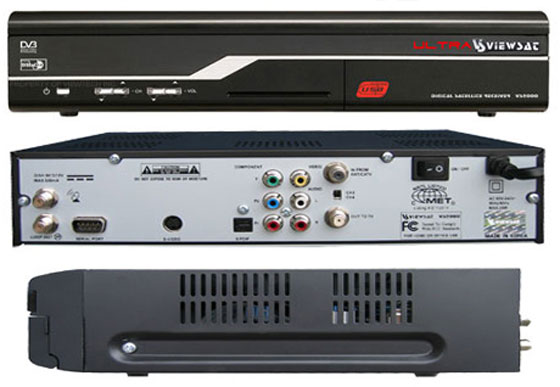
You need a satellite receiver that supports DVB-S and DVB-S2. Most modern free-to-air receivers and smart TVs with built-in satellite tuners will work. The receiver does not need a subscription card for the free channels.
Nilesat 201 transponder frequency list
The table below lists all Nilesat 201 Ku-band transponders. These are the primary frequencies you will find when scanning 7.0° West. Additional transponders from the co-located Nilesat 301 and Eutelsat 7 West A satellites are listed separately below.
| Frequency (MHz) | Polarisation | Symbol rate | FEC |
|---|---|---|---|
| 11727 | H | 30000 | 3/4 |
| 11747 | V | 27500 | 5/6 |
| 11766 | H | 27500 | 5/6 |
| 11785 | V | 27500 | 5/6 |
| 11804 | H | 30000 | 3/4 |
| 11823 | V | 27500 | 5/6 |
| 11843 | H | 27500 | 5/6 |
| 11862 | V | 27500 | 5/6 |
| 11881 | H | 30000 | 3/4 |
| 11900 | V | 27500 | 5/6 |
| 11919 | H | 27500 | 3/4 |
| 11938 | V | 27500 | 5/6 |
| 11958 | H | 27500 | 5/6 |
| 11977 | V | 27500 | 5/6 |
| 11996 | H | 30000 | 3/4 |
| 12015 | V | 27500 | 5/6 |
| 12034 | H | 27500 | 5/6 |
| 12054 | V | 27500 | 5/6 |
| 12073 | H | 30000 | 3/4 |
| 12092 | V | 27500 | 5/6 |
| 12130 | V | 27500 | 3/4 |
| 12149 | H | 27500 | 3/4 |
| 12207 | V | 27500 | 5/6 |
| 12226 | H | 27500 | 5/6 |
| 12284 | V | 27500 | 5/6 |
| 12303 | H | 27500 | 5/6 |
Co-located satellite frequencies: Nilesat 301 and Eutelsat 7 West A share the 7.0° West position and add dozens more transponders in the 10727 to 11680 MHz range. A blind scan will automatically find all of these.
Free-to-air TV channels on Nilesat
The majority of channels at the Nilesat 7° West position are free-to-air (FTA), meaning you can watch them without a subscription or smart card. Below is a selection of the most popular free channels, grouped by category.
News
- Nile News (Egypt)
- Al Arabiya
- Al Hadath
- Sky News Arabia
- France 24 Arabic
- France 24 English
- BBC Arabic
- BBC World News Middle East
- CNN International Europe
- RT Arabic
- Al Jazeera (via Eutelsat 7W)
- CGTN / CGTN Arabic
- NHK World Japan
- Al Mayadeen
- Asharq News
- Extra News (Egypt)
Entertainment and drama
- MBC, MBC 2, MBC 3, MBC 4, MBC 5
- MBC Action, MBC Max, MBC Drama, MBC Bollywood
- MBC Iraq, MBC Masr
- Rotana Cinema, Rotana Drama, Rotana Music, Rotana Classic
- CBC, CBC Drama, CBC Sofra (Egypt)
- DMC, DMC Drama (Egypt)
- Al Nahar TV, Al Nahar Drama
- LBC (Lebanon/Saudi)
- Al Kahera Wal Nas
- Nile Drama, Nile Comedy, Nile Cinema
- Space Toon Arabic (children)
- Cartoon Network Arabic
- Majid (children, UAE)
Sports
- Abu Dhabi Sports 1, 2, 3, 4
- KSA Sports 1, 2, 3, 4 (Saudi Arabia)
- Nile Sport (Egypt)
- Libya Sport TV 1, 2
- Al Kass (Qatar, sports)
- Ontime Sports, Ontime Sports 2, 3 (Egypt)
- Zamalek TV (Egypt)
National TV channels
- Egypt: ERTU 1, ERTU 2, Nile TV International, Egyptian TV, Al Masriyah
- Saudi Arabia: Saudi TV, SBC, Ekhbariya TV, Quran TV, Sunna TV
- UAE: Abu Dhabi TV, Emarat TV, Dubai TV
- Algeria: ENTV, Canal Algérie, TV4 Amazigh, AL 24 News
- Tunisia: Watania 1, Watania 2, Elhiwar Ettounsi, Attessia TV
- Morocco: Al Aoula, 2M, Arryadia, Al Maghribia, Tamazight
- Libya: Libya Al Wataniya, Libya Al Rasmia
- Jordan: Jordan TV, Roya TV, Al Mamlaka TV
- Oman: Oman TV, Oman TV Sport
- Qatar: Qatar TV, Qatar TV 2
- Sudan: Sudan TV
- Yemen: Yemen TV, Yemen Shabab
- Palestine: Palestine TV
- Eritrea: Eri TV 1
- Chad: Télé Tchad
English channels on Nilesat
While the majority of Nilesat programming is in Arabic, several English-language channels are available free-to-air:
- BBC World News (Middle East feed) — 11766 H and 11843 H
- CNN International (Europe feed) — 11900 V
- France 24 English — 11977 V
- Nile TV International — 12054 V (Egypt’s English-language channel)
- NHK World Japan — 12015 V (English)
- CGTN — 12015 V (English news from China)
- WION — 11392 V (Indian English news)
- Alhurra TV — 11823 V (US-funded Arabic/English)
- Press TV — 11641 H (English, Iranian perspective)
Additionally, several Arabic entertainment channels broadcast English-language films with Arabic subtitles, including MBC 2, MBC Action, and MBC Max.
Nilesat coverage
Nilesat 201’s Ku-band beam is optimised for North Africa and the Middle East. Signal strength is strongest in the following regions:
Full coverage (60 cm dish or larger):
- Egypt
- Libya
- Tunisia
- Algeria
- Morocco
- Sudan
- South Sudan
- Chad
- Ethiopia
- Eritrea
- Djibouti
- Somalia
- Saudi Arabia
- Iraq
- Jordan
- Lebanon, Syria, Palestine
Partial coverage (90 to 120 cm dish):
- Kenya
- Uganda
- Western Sahara, Mauritania, Mali, Niger
- Southern Europe (Turkey, Greece, southern Italy, Spain)
Fringe coverage (150 to 180 cm dish required):
- Northern Nigeria, northern Cameroon, northern Ghana
- Benin, Togo, Burkina Faso
- DR Congo (northern parts)
- Tanzania (northern parts)
Nilesat in Ethiopia
Ethiopia falls within Nilesat 201’s primary coverage zone. A standard 60 cm satellite dish is sufficient in most of the country. Nilesat is widely used in Ethiopia for Arabic-language news, entertainment, and religious channels. Point the dish north-west from Addis Ababa.
Nilesat in Uganda
Uganda is on the edge of Nilesat 201’s coverage. A 90 to 120 cm dish is recommended for reliable reception, especially in the central and southern parts of the country. Northern Uganda may get adequate signal with a smaller dish. Point the dish north from Kampala.
Nilesat 101 and 102
Nilesat 101 (launched 1998) and Nilesat 102 (launched 2000) were the original satellites in the Nilesat fleet. Both were decommissioned in 2013 after Nilesat 201 took over their role. If you have an older receiver with Nilesat 101 or 102 in its satellite list, simply scan the same 7.0° West position to receive channels from Nilesat 201 and 301.
Nilesat 301
Nilesat 301 was launched by SpaceX on 8 June 2022 and is co-located with Nilesat 201 at 7.0° West. It extends the Nilesat fleet’s capacity with additional Ku-band and Ka-band transponders and is designed to serve North Africa, the Middle East, and Central Africa. Nilesat 301 has a projected lifespan of 15 years.
Nilesat 201 is expected to remain operational until approximately 2028, when it runs out of station-keeping fuel. After that, Nilesat 301 will continue service at the same orbital position.
Frequently asked questions
Is Nilesat free?
Yes. The majority of channels on Nilesat are free-to-air. You need a satellite dish and a DVB-S/S2 receiver, but there is no monthly subscription. Some channels (mainly OSN and beIN Sports) are encrypted and require a paid subscription with a smart card, but hundreds of channels are completely free.
What dish size do I need for Nilesat?
In North Africa and the Middle East, a 60 cm dish is sufficient. In East Africa (Ethiopia, Kenya, Uganda), a 90 to 120 cm dish is recommended. In fringe areas like northern Nigeria or Ghana, you need a 150 to 180 cm dish for reliable reception.
What is the LNB frequency for Nilesat?
Use a Universal Ku-band LNB with a low-band local oscillator frequency of 9750 MHz and a high-band frequency of 10600 MHz. This is the standard setting for most Universal LNBs sold in Africa and the Middle East.
Can I receive Nilesat in South Africa?
No. South Africa is outside Nilesat 201’s coverage footprint. The satellite’s beam does not reach southern Africa. For free satellite TV in South Africa, consider OpenView HD instead.


Leave a Reply