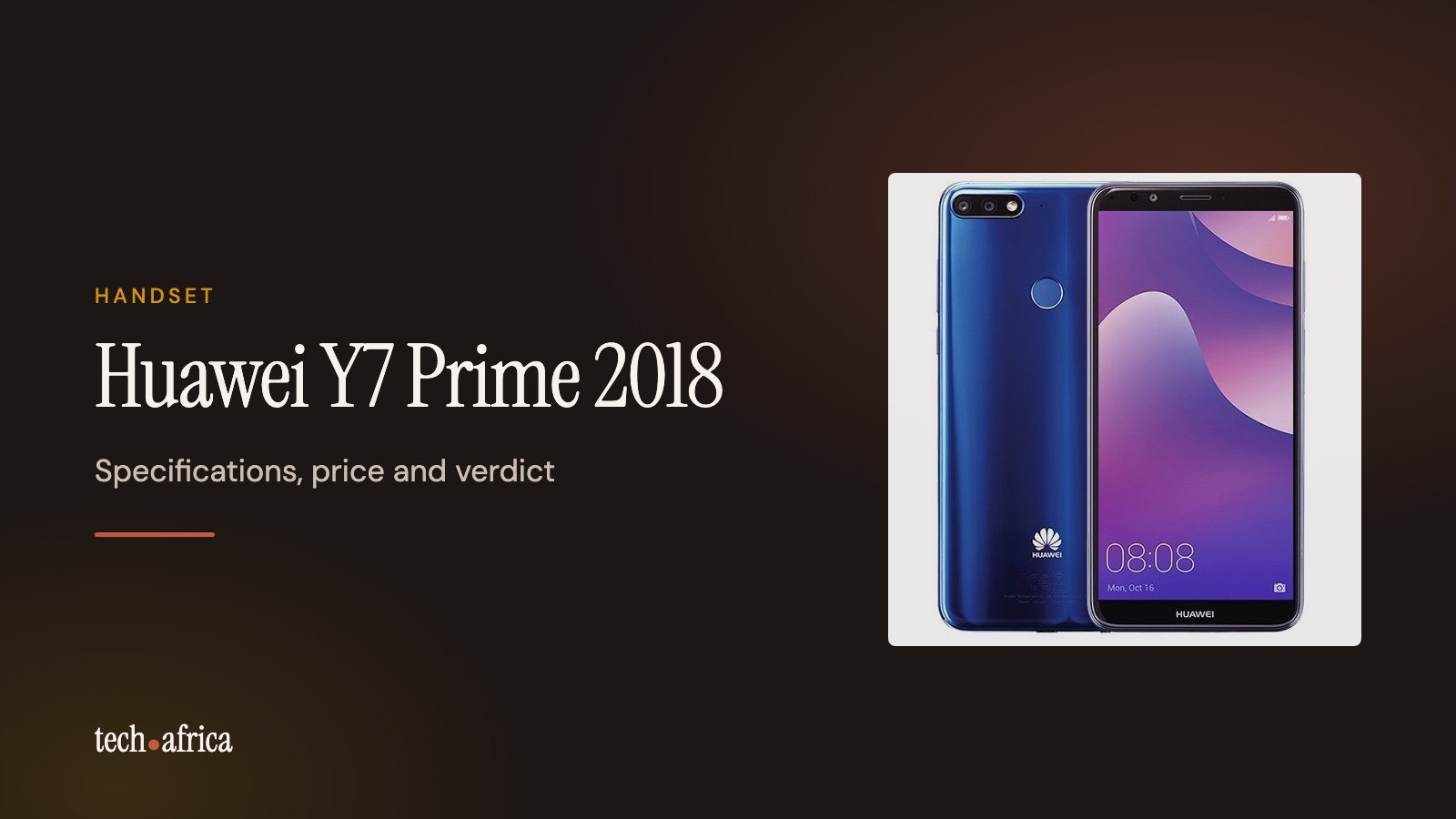
The Huawei Y7 is a budget Android line that spanned four generations between 2017 and 2020, sold widely across South Africa, Nigeria, Ghana, Kenya, and other African markets. This guide covers every Y7 variant — the original Y7 (2017), Y7 Prime (2018), Y7 (2019), and Y7p (2020) — with specifications, African pricing then and now, and buying advice in 2026.
Huawei retired the Y-series name in 2021 and replaced it with the nova Y family (nova Y70, Y61, Y90), so the Y7p (2020) was the final phone to carry the Y7 badge. That means second-hand and refurbished Y7s are the only way to buy one new to you today — and for many buyers in Africa, they still make sense as entry-level or secondary handsets.
Huawei Y7 models at a glance
| Model | Year | Chipset | Display | Battery | Google services |
|---|---|---|---|---|---|
| Y7 (2017) | 2017 | Snapdragon 435 | 5.5″ 720p | 4,000 mAh | Yes |
| Y7 Prime (2017) | 2017 | Snapdragon 435 | 5.5″ 720p | 4,000 mAh | Yes |
| Y7 Pro (2018) | 2018 | Snapdragon 430 | 5.99″ HD+ 18:9 | 3,000 mAh | Yes |
| Y7 Prime (2018) | 2018 | Snapdragon 430 | 5.99″ HD+ 18:9 | 3,000 mAh | Yes |
| Y7 (2019) | 2019 | Snapdragon 450 | 6.26″ HD+ notch | 4,000 mAh | Yes |
| Y7 Prime (2019) | 2019 | Snapdragon 450 | 6.26″ HD+ notch | 4,000 mAh | Yes |
| Y7 Pro (2019) | 2019 | Snapdragon 450 | 6.26″ HD+ notch | 4,000 mAh | Yes |
| Y7p (2020) | 2020 | Kirin 710F | 6.39″ HD+ punch-hole | 4,000 mAh | No (HMS only) |
The most common Y7 variant in African markets is the Y7 Prime (2018) — the model most search queries and second-hand listings refer to by default. The Y7p (2020) is the outlier: it shipped after the US export restrictions came into effect, so it uses Huawei Mobile Services (HMS) and the AppGallery instead of Google Play. That single difference is the biggest factor in deciding which Y7 to buy used.
Which Huawei Y7 should you buy in 2026?
If you need WhatsApp, mobile banking, Google Play, and basic Android apps, stick with a Y7 Prime (2018), Y7 (2019), or Y7 Prime (2019). All three shipped with Google Mobile Services intact and continue to run Play Store apps.
The Y7 (2019) and Y7 Prime (2019) have the edge over the 2018 models thanks to a larger 6.26-inch display, a 4,000 mAh battery (versus 3,000 mAh), and the marginally faster Snapdragon 450. If you have a choice, prefer a 2019 unit — they also shipped with Android 8.1 Oreo and received an EMUI update to Android 9 Pie, unlike the 2018 Y7 Prime which stayed on Android 8.0.
Avoid the Y7p (2020) unless you are comfortable side-loading APKs or using Petal Search. With no Google Play Store, apps including Gmail, YouTube, Google Maps, most banking apps, and many ride-hailing services cannot be installed through the official AppGallery and require workarounds. See our guide on Huawei alternatives to Google services for the full picture.
Huawei Y7 Prime (2018): specifications in detail
The Huawei Y7 Prime (2018) remains the most widely searched and sold variant of the series. It was Huawei’s mid-range anchor in 2018 and is still the model most African buyers encounter on second-hand marketplaces.
| Feature | Huawei Y7 Prime (2018) |
|---|---|
| Display | 5.99-inch IPS LCD, 1,440 x 720 pixels, 18:9, 269 ppi |
| Processor (CPU type) | Qualcomm Snapdragon 430 (MSM8937), octa-core 1.4 GHz Cortex-A53, 28 nm |
| GPU | Adreno 505, 450 MHz |
| RAM | 3 GB (32 GB model) / 4 GB (64 GB model) |
| Storage | 32 GB or 64 GB + microSD up to 256 GB |
| Rear camera | 13 MP (f/2.2) + 2 MP depth sensor, LED flash, 1080p video at 30 fps |
| Front camera | 8 MP (f/2.0), selfie toning flash |
| Battery | 3,000 mAh Li-Ion (sealed), 5V/1A charging |
| OS | Android 8.0 Oreo, EMUI 8.0 |
| SIM | Dual nano-SIM, dual standby |
| Connectivity | 4G LTE (bands 1/3/5/8), Wi-Fi b/g/n, Bluetooth 4.2, microUSB 2.0, GPS/GLONASS |
| Sensors | Rear fingerprint reader, accelerometer, proximity, ambient light |
| Dimensions | 158.3 x 76.7 x 7.8 mm, 155 g |
| Colours | Black, Blue, Gold |
Display
The Y7 Prime 2018 features a 5.99-inch IPS LCD panel with an 18:9 aspect ratio and 1,440 x 720 pixel resolution. Huawei branded it the “FullView Display”, reflecting the taller screen format that was becoming standard in 2018. At 269 pixels per inch, text and icons appear reasonably sharp at normal viewing distance, although it falls short of 1080p panels found on pricier handsets of the era.
Processor, RAM, and storage
Under the hood sits a Qualcomm Snapdragon 430 (MSM8937) chipset, built on a 28 nm process. The octa-core CPU comprises 8 Cortex-A53 cores clocked at 1.4 GHz, paired with an Adreno 505 GPU running at 450 MHz. This combination handles day-to-day tasks such as messaging, web browsing, and social media comfortably, though demanding games and heavy multitasking will expose its limits.
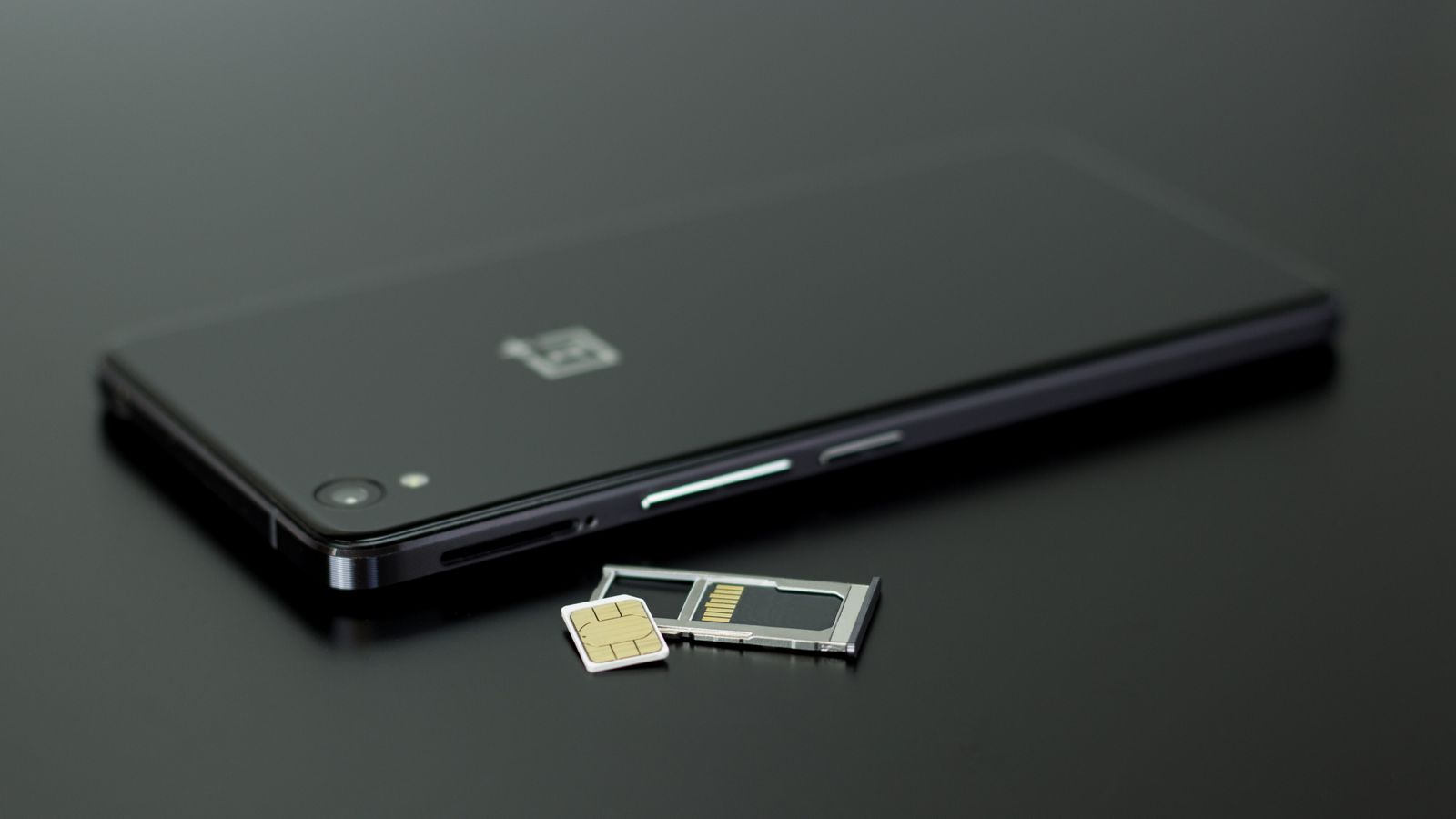
The handset shipped in 2 configurations: 3 GB RAM with 32 GB storage, and 4 GB RAM with 64 GB storage. Both variants accept a microSD card of up to 256 GB in a dedicated slot, meaning you do not have to sacrifice a SIM tray for extra storage.
Camera
The rear camera system pairs a 13 MP primary sensor (f/2.2 aperture) with a 2 MP depth sensor for portrait-style bokeh effects. It records video at 1080p at 30 frames per second and includes phase-detection autofocus and a single LED flash. Results are adequate in good lighting but struggle in low-light conditions.
On the front, an 8 MP selfie camera with f/2.0 aperture includes what Huawei calls a “selfie toning flash”, a screen-based flash that illuminates the face in dim environments. The front camera also supports face recognition as an alternative to the rear fingerprint sensor for unlocking the device.
Battery
A sealed 3,000 mAh lithium-ion battery powers the device. Huawei included an Ultra Power Saving mode that restricts background activity to extend standby time. Charging is handled via the microUSB port at 5V/1A, which means a full charge from zero takes roughly 2 to 2.5 hours. There is no fast charging support.
Software and updates
The Y7 Prime 2018 launched with Android 8.0 Oreo running Huawei’s EMUI 8.0 interface. The device received minor maintenance updates within the EMUI 8.0.0 branch, with the last known build being EMUI 8.0.0.217 (released in early 2019). It did not receive an upgrade to Android 9 Pie or any later version of Android.
This means the handset no longer receives security patches. Users should be cautious with sensitive activities such as mobile banking and ensure they only install apps from the Google Play Store.
Connectivity
The handset supports 4G LTE on bands 1, 3, 5, and 8, which cover the primary frequency bands used by mobile operators across Africa, Europe, and parts of Asia. Other connectivity includes Wi-Fi 802.11 b/g/n (2.4 GHz only), Bluetooth 4.2, GPS with GLONASS, and a 3.5 mm headphone jack. The LDN-TL10 variant includes NFC, but the more common LDN-LX2 model sold in most African markets does not.
Huawei Y7 (2019) and Y7 Prime (2019)
Huawei refreshed the Y7 line in early 2019 with a larger 6.26-inch HD+ display (1,520 x 720) featuring a waterdrop notch, a 4,000 mAh battery, and a Snapdragon 450 chipset fabricated on a 14 nm process — more efficient than the 2018 model’s 28 nm Snapdragon 430. Both the Y7 (2019) and Y7 Prime (2019) share these core specs; the Prime variant adds a slight camera and storage bump.
Rear camera on the 2019 models is a 13 MP + 2 MP dual setup, with an 8 MP f/2.0 front camera. Storage options were 32 GB or 64 GB with microSD expansion up to 512 GB, and RAM was 3 GB or 4 GB. The 2019 Y7 shipped with Android 8.1 Oreo and EMUI 8.2, and later received an update to Android 9 Pie with EMUI 9 — a meaningful advantage over the 2018 model.
Huawei Y7p (2020)
The Y7p (2020) was the last phone to carry the Y7 name. It used Huawei’s own Kirin 710F chipset, a larger 6.39-inch punch-hole display, a triple rear camera (48 MP + 8 MP ultrawide + 2 MP depth), and 4 GB of RAM with 64 GB storage. On paper it was a significant upgrade.
The catch: the Y7p shipped after the May 2019 US export restrictions, so it came without Google Mobile Services. Users rely on Huawei’s AppGallery, Petal Search, and sideloaded APKs. Popular apps including Gmail, Google Maps, YouTube, and many banking apps are either unavailable or require manual installation. For most African buyers, this single factor makes an older Y7 (2019) a better practical choice than a Y7p (2020).
Huawei Y7 prices in Africa (launch vs. 2026)
No Huawei Y7 variant is sold new through official retail channels in 2026. The table below shows typical launch prices and current second-hand and refurbished prices across major African markets.
| Market | Y7 Prime (2018) launch | Y7 (2019) launch | Second-hand in 2026 |
|---|---|---|---|
| South Africa | R3,500 | R3,299 | R600–R1,300 |
| Nigeria | NGN 55,000–65,000 | NGN 60,000–72,000 | NGN 40,000–90,000 |
| Ghana | GHS 850–950 | GHS 950–1,100 | GHS 400–900 |
| Kenya | KES 16,000–18,000 | KES 17,500–19,500 | KES 4,500–9,000 |
Second-hand prices in 2026 vary widely based on condition, battery health, storage variant, and seller location. Always verify the IMEI status (to ensure it is not blacklisted), check battery health, and confirm the Google Play Store is functional before buying. For Y7p (2020) units specifically, be sure you are comfortable with the HMS-only ecosystem before paying.
Is the Huawei Y7 still worth buying in 2026?
Any Y7 model can still handle basic tasks: calls, messaging, WhatsApp, and light web browsing. Their large displays, dedicated microSD slots, and 3.5 mm headphone jacks remain practical advantages for budget-conscious buyers. However, none of them receive security updates, all run end-of-life versions of Android, and their processors — Snapdragon 430, 435, 450, and Kirin 710F — lag modern budget chips by several generations.
For new purchases on a tight budget, current-generation Infinix Hot, Tecno Spark, Samsung Galaxy A05, and Xiaomi Redmi A-series devices offer larger batteries, better cameras, and current software support at similar or lower price points in African markets. Device financing plans offered by operators such as Telkom Kenya also make newer handsets more accessible without upfront cost.
If you already own a Y7, it still serves as a reliable secondary device or a first smartphone for basic connectivity. Be mindful of its software limitations and avoid using it for sensitive financial transactions without additional precautions.
Frequently asked questions
How many Huawei Y7 models are there?
There are eight Y7 variants across four generations: Y7 (2017), Y7 Prime (2017), Y7 Pro (2018), Y7 Prime (2018), Y7 (2019), Y7 Prime (2019), Y7 Pro (2019), and Y7p (2020). The Y7p (2020) was the last model before Huawei replaced the Y-series with the nova Y family in 2021.
Does the Huawei Y7 have Google Play?
The Y7 (2017), Y7 Prime (2017), Y7 Pro (2018), Y7 Prime (2018), Y7 (2019), Y7 Prime (2019), and Y7 Pro (2019) all shipped with Google Mobile Services and the Play Store intact. The Y7p (2020) is the only Y7 variant that does not have Google services, due to the US export restrictions imposed on Huawei in May 2019.
What processor does the Huawei Y7 Prime 2018 use?
The Huawei Y7 Prime 2018 uses a Qualcomm Snapdragon 430 (MSM8937) chipset with an octa-core CPU (8 x 1.4 GHz Cortex-A53) and an Adreno 505 GPU. It is built on a 28 nm manufacturing process.
What is the latest Android version for the Huawei Y7 series?
The Y7 Prime 2018 was stuck at Android 8.0 Oreo with EMUI 8.0. The Y7 (2019) and Y7 Prime (2019) received an update to Android 9 Pie with EMUI 9. The Y7p (2020) shipped with Android 10 and EMUI 10. None of the Y7 models received Android 11 or later.
How much storage does the Huawei Y7 Prime 2018 have?
It was available in 32 GB and 64 GB variants. Both support microSD expansion up to 256 GB via a dedicated card slot that does not require sacrificing a SIM tray.
What is the battery capacity of the Huawei Y7?
The 2017 and 2019 Y7 models use 4,000 mAh batteries. The Y7 Pro (2018) and Y7 Prime (2018) step down to 3,000 mAh. The Y7p (2020) returns to 4,000 mAh. All Y7 models use microUSB charging at 5V/1A (standard, not fast charging).
Does the Huawei Y7 support NFC?
Most Y7 models sold in Africa (the LDN-LX2 variant of the Y7 Prime 2018 and similar regional SKUs of other Y7s) do not include NFC. Only select variants such as the LDN-TL10 Y7 Prime (2018) shipped with NFC, and these were primarily sold outside Africa.
How much does a second-hand Huawei Y7 cost in 2026?
Second-hand and refurbished Y7 units sell for roughly R600–R1,300 in South Africa, NGN 40,000–90,000 in Nigeria, GHS 400–900 in Ghana, and KES 4,500–9,000 in Kenya, depending on condition, storage variant, and specific model. Newer Y7 (2019) and Y7p (2020) units sit at the upper end of each range.


Leave a Reply